dailynewsnblog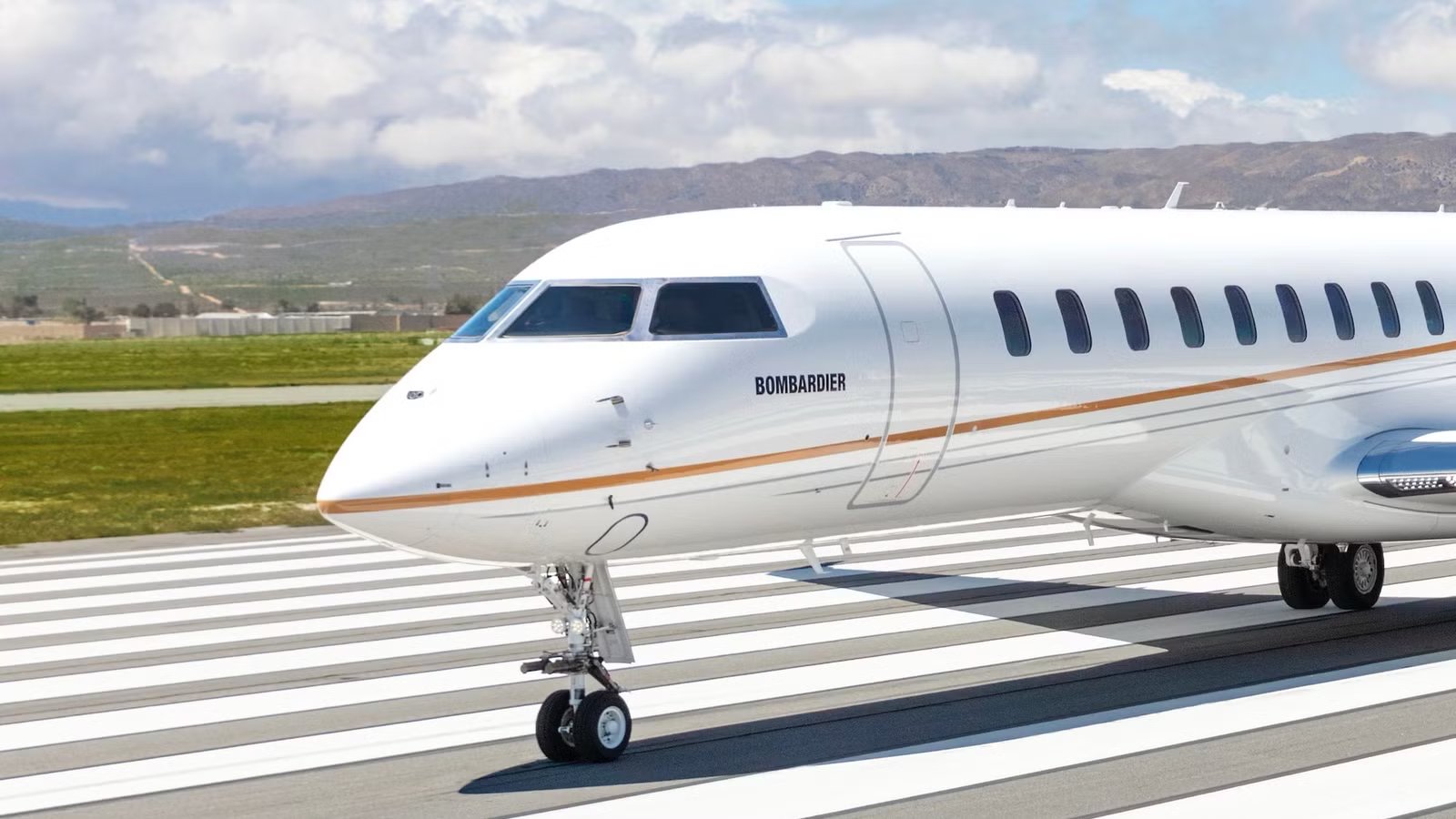
After calling Super Bowl LX on February 8 at Levi’s Stadium in Santa Clara, California, NBC broadcaster Mike Tirico stayed on the field to weave live Winter Olympics coverage directly into postgame analysis, all before he headed straight to Italy. By the time Monday morning came around, social media posts and flight-tracking data confirmed the details of his long-range private-jet run from the Bay Area all the way to Milan.
This put Tirico on-site for the Milan-Cortina Winter Games. This was a special, one-night, two-continent transfer that highlighted just how demanding the schedules of sports broadcasters can be. He traveled roughly 6,000 miles (9,650 km) and spent just over 10 hours in the air to keep NBC’s marquee host in position in Milan as the Olympics continue to ramp up.
A Combination Of Impressive Logistics And Well-Managed Broadcasting Strategy

This feat is ultimately part logistics and part broadcasting strategy. Tirico was not simply calling the game, as NBC had him bridge two different flagship events. This allowed him to get airborne quickly and reach Italy in time to start in-studio coverage of the games. A commercial itinerary from the Bay Area to Milan adds missed connections, weather buffers, and limited sleep. This means that a long-range business jet was the best and most efficient way to remove all of this uncertainty.
Social media posts tracking the tip say the group left California at around 1:30 AM local time and was due to land in Milan at roughly 9:00 PM. One leg appears in flight-tracking databases as VistaJet Flight VJT337J from Oakland Airport (OAK) to Milan Malpensa International Airport (MXP). A Bombardier Global 7500 aircraft was used for this venture, with a journey time of around 10.5 hours, according to data from FlightAware. NBCUniversal’s coverage of the Olympics will span 3,200 hours of content.
A Story At The Intersection Of Sports, Money, And Aviation

This story sits at the crossroads of the global entertainment industry and private aviation. This incident highlights how NBC is operationalizing its wall-to-wall coverage of the Milan Cortina 2026 Winter Olympics. A human host, in this case Mike Tirico, has become the visible connective tissue between these two major events.
It is somewhat rare to see a long-haul private jet used so explicitly, but there was simply no other way to get Tirico where he needed to be, given the time-sensitive production constraints the network had to work with. This makes the decision understandable for financial analysts sitting at NBCUniversal’s headquarters at 30 Rockefeller Center in New York. It also illustrates how transparent modern travel has become, with enthusiasts online able to easily track aircraft movements and observe back-door logistical movements in real time.
This story also invites some legitimate questions, especially those related to cost, carbon footprint, and necessity. For a media business, the pressure to deliver seamless coverage clearly comes before carbon output optimization. Getting a high-profile broadcaster from Super Bowl confetti to Olympic primetime overnight highlights how networks face challenging transportation situations and climate-oriented tradeoffs.

Inside The Luxurious Jet-Set Lifestyle Of Jutta Leerdam & Jake Paul
A look inside Olympic gold medalist Jutta Leerdam’s customized private jet journey to Milano–Cortina 2026.
What Does This Tell Us About The State Of Private Aviation?

The episode is a clean demonstration of what high-end business jets can offer customers. The Bombardier Global 7500 is designed for ultra-long sectors, with about 17 hours as its maximum. These jets can offer cabins for rest and onboard work, and chartering them is an expense that a company like NBC can easily justify.
This capability turns an otherwise fragile itinerary from the Bay Area to Milan into a controllable block of time, something critical when arrival is tied to a broadcast rundown. This also highlights the private aviation supply chain, with fleet operators like VistaJet often brought in. Airports like Oakland, which can handle departures quietly at odd hours, are also used.
At the same time, it shows that the downside of private flying in 2026 is undoubtedly real. The optics are unavoidable, and tracking is fully public. Every high-profile trip can turn into a proxy debate about emissions and inequality. For NBC, it appears that this tradeoff was worth it in this specific instance.

![6-Hour Flights: Southwest Airlines Launches Exciting New Route To Hawaii In August [Map]](https://dailynewsnblog.com/wp-content/uploads/2026/06/imua_one_departs_santa_barbara_-53981372594-_cropped.jpg)