dailynewsnblog
Seven years ago, the ECB tweaked its own stringent regulations to allow players born overseas to play for England after living in England and Wales for three years rather than seven. At the same time, it reduced the cooling-off period for those who had played international cricket for another Full Member nation, or as a local player in another Full Member nation.
The ECB stressed at the time the rule change was not about an individual player but to bring English cricket in line with the other Full Member nations. Now it is understood that further changes are being considered to bring England closer to the ICC’s existing guidelines. Not only would this make England qualification more open – and, thus, the national team more competitive – it would better cater for grey areas created by the rise of franchise cricket.
The ECB’s current ruling states male and female players must adhere to all three of the following criteria:
- British citizenship
- Either born in England or Wales, or three years residence (a total of 210 days/year April-March)
- Not played as a local player in professional international or domestic cricket in a Full Member country within the last three years
By contrast, the current ICC eligibility criteria specifies that players eligible for England selection only need to satisfy one of the following:
- British citizenship
- Born in England or Wales
- Three years residence (on a rolling basis) and not having played for another Full Member country in the past three years
The ECB’s England qualification rules are stricter by design, and are regularly discussed internally. ESPNcricinfo is aware of conversations with certain parties over potential adjustments that will relax the existing stance, aiding those currently in the process of qualifying as local players. The ECB declined to comment and there is no definitive timeline for making changes at this stage.
One tweak could be for players to only have to adhere to two of the provisos instead of all three. Another point of difference that might be addressed pertains to those working towards England qualification giving up local player status in their countries of origin. Franchise competitions have brought this particular clause to the fore – especially, as far as English cricket is concerned, the SA20.
Now in possession of a British passport, he will complete his qualification this summer and become available for England selection. Under the ICC’s rules, he would have become available upon receipt of the passport.
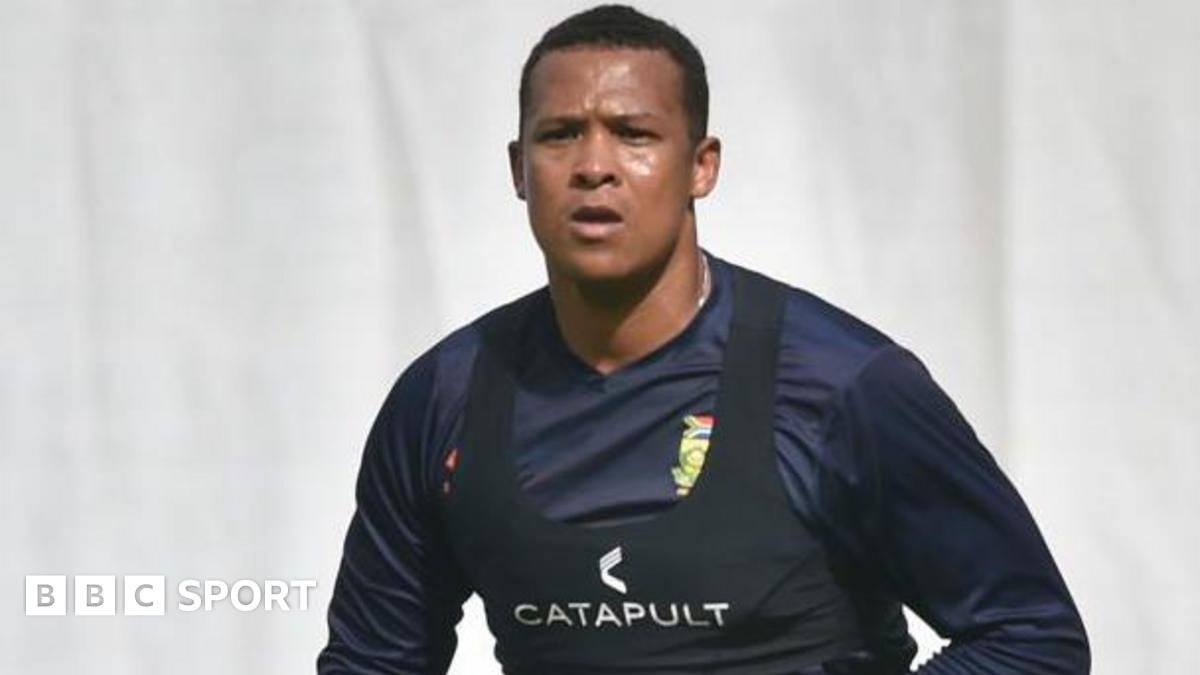
Lategan is playing as an overseas player on his mother’s ancestral visa, having initially arrived in the country on his own student visa. He is committed to qualifying for England, which he is set to achieve under the current regulations in 2028. But he also remains a domestic player in South Africa, and was part of MI Cape Town in this year’s SA20 though saw no action. Had he featured, he would need to undergo a three-year cooling off period before he could be considered England-qualified. Only once Lategan has achieved that status would he be eligible for even England Lions.
Born in Doncaster and having come through at Kent, Hemphrey ended up breaking into professional cricket in Australia with Queensland after consistent performances in grade cricket. After gaining residency in Australia, he ended up losing his status as an England-qualified player due to failing to immediately register as an overseas player in the Sheffield Shield, despite later doing so in the 2018-19 season.
That meant Hemphrey had to spend a three-year period essentially “re-qualifying” as English when he signed for Glamorgan in early 2019. After two seasons, the club decided fielding him alongside their two official overseas players – Marnus Labuschagne and Michael Neser – would cost them ECB incentive payments for selecting England-qualified players, which they could not afford to forgo.
Vithushan Ehantharajah is an associate editor at ESPNcricinfo