dailynewsnblog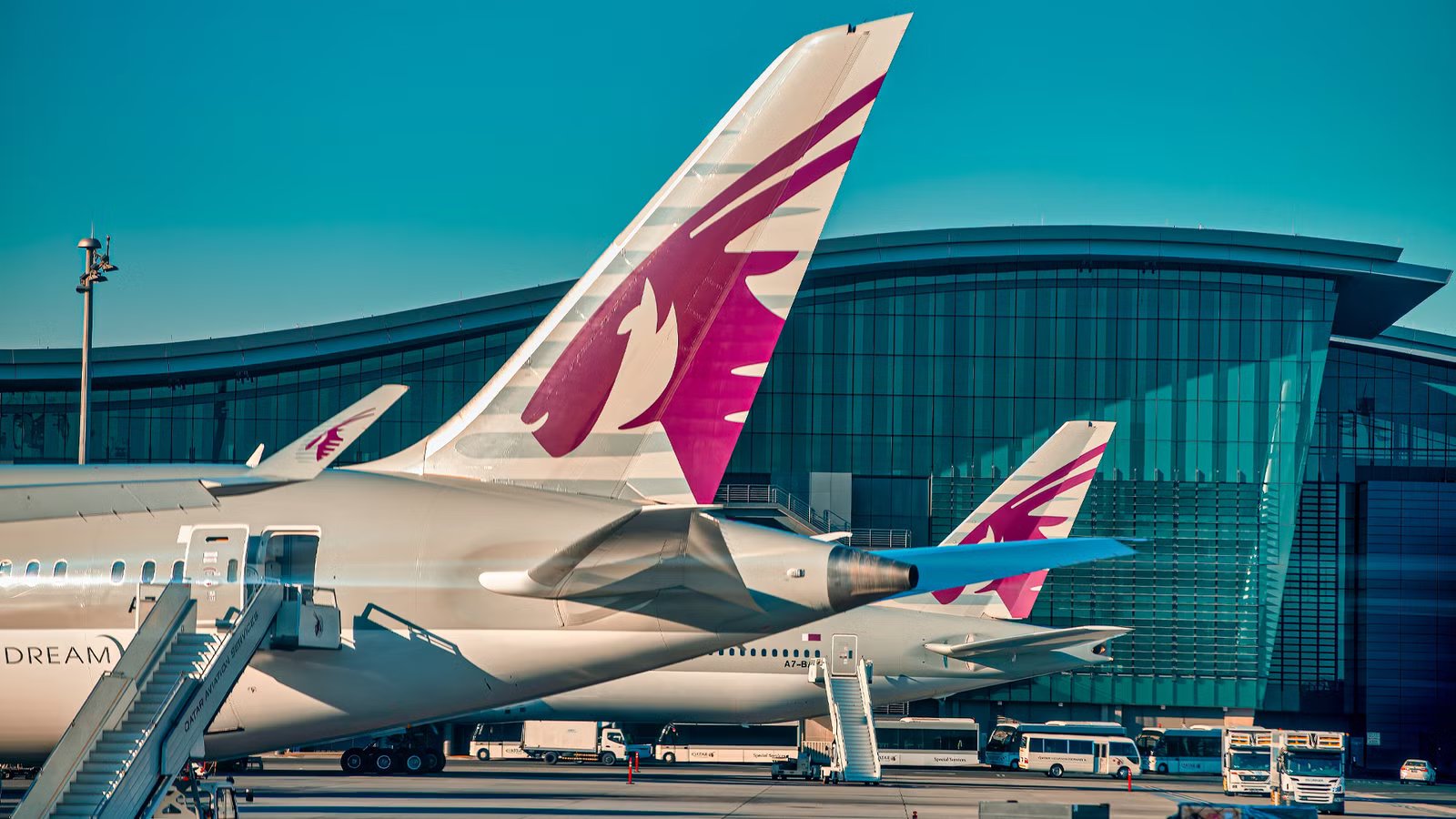
Operation Epic Fury has had a devastating impact on civil aviation in the Middle East. The Gulf carriers based near Iran are some of the most important operators of widebody and long-haul jets in the world. The massive fleets of long-haul widebody aircraft and the colossal hubs operating in the Gulf have faced unprecedented disruption due to the conflict between the United States and Iran. The resulting airspace closures and disruption to airlines and airports in the area have had a far-reaching ripple effect on international aviation.
The airlines that have been the hardest hit are famous for luxurious flying experiences, decadent airport lounges, service that goes the extra mile, and aircraft that are stunning in both scale and opulence inside the cabin. It’s not just the operators based in the Gulf that are suffering, as one of the most important places in the world for connecting flights, carriers from far and wide are feeling the pain.

The intensity of the battle between US, Israeli, and Iranian forces has diminished somewhat, but there is still no end in sight and civil operators continue to be caught in the crossfire.  Qatar Airways has suffered some of the most acute harm, but
  Emirates and
  Etihad Airways have also taken a significant share of the fallout. The closure of airspace stems from both the risk of an airliner being directly targeted and mishaps as a result of electronic warfare and other interference.
Widespread GPS spoofing in the Persian Gulf has also caused civil airliners to deviate from safe paths, posing a risk of accidental engagement by air defense systems. So far, air defenses have intercepted most of the direct strike attempts on airports in the Gulf. However, there have been reports of drones and missiles penetrating and reaching their target.
A massive area of regional airspace was closed off immediately after Epic Fury began, which not only grounded many flights in the Middle East but also forced enormous route deviations for airliners transiting through the region. This led to some significant delays and forced many aircraft to make unplanned stopovers or fly far longer legs than anticipated. By early March, hundreds of thousands of travelers were stranded or diverted to secondary hubs as the region’s busiest corridors were declared war zones.
The cost of the conflict has been pressed on the shoulders of civil operators, who are now using more fuel and flying to airports far outside their normal network, or being forced to completely shut down many routes and itineraries.  Air India was forced to halt all services to Eastern North America and Europe that previously transited West Asian airspace, causing severe long-haul delays. Smaller airlines like Gulf Air and Middle East Airlines have faced an increased risk of bankruptcy due to sustained airspace closures and soaring insurance premiums.
Qatar Airways & Hamad International Airport

Suffering the worst of all is Qatar as a close ally of the United States. The nation hosts multiple military facilities that are shared between the US armed forces and the Qatari Defense Forces. Because of this alliance, Iran has targeted Qatari civil aviation infrastructure, including the headquarters of Qatar Airways at Hamad International Airport. Sources confirm that Hamad International suspended most regular passenger operations after national airspace closed on February 28, according to The Traveler.
Qatari officials confirmed that the military thwarted multiple retaliatory Iranian missile and drone attacks specifically targeting civilian infrastructure, including Hamad International Airport, in early March 2026. Simply by virtue of being geographically the closest international hub and Gulf carrier to the armed conflict happening in Iran, Qatar Airways is the most vulnerable. The airline has suffered the greatest blows of any other civil operator in the region due to the proximity of the open conflicts across its borders.
Qatari airspace was closed immediately upon the start of the conflict. While it partially reopened for emergency and cargo flights on March 7, standard commercial operations remain severely restricted. Between February 28 and March 24, 2026, the airline canceled 4,929 flights, representing nearly 89% of its scheduled service, according to CN Traveler. Tens of thousands of transit passengers were stranded in HIA’s departure halls during the initial weeks, as regional airspace closures prevented aircraft from departing or diverted them mid-flight.
The airport currently faces heightened technical risks, including widespread GPS interference by Iranian forces. There have been reports that over 150 aircraft were spoofed near the Persian Gulf over a 24-hour period, which can lead to commercial airliners being dangerously misidentified by defense systems. The risk of such an issue is best highlighted by the three US Air Force Boeing F-15E strike Eagles that were shot down in friendly fire incidents by Kuwaiti air defenses.

Middle East Airspace Plunges Into Chaos After US-Israel Strikes On Iran
Eight countries and counting have shut their airspace to all flights.
Emirates And Dubai International Airport

Emirates has been hit hard as well. Its home base and headquarters at Dubai International Airport (DXB) have been directly struck by multiple drones since the beginning of Operation Epic Fury and hostilities between the United States and Iran. There was a severe degradation of infrastructure and service availability in the opening weeks of the conflict. This led both Emirates and Etihad Airways to reduce their schedules to a bare-bones operation.
When service was reduced, there were as few as 15 daily departures from one of the world’s busiest mega-hubs. Gulf News reported that Emirates alone transported 55.6 million customers from DXB in 2025. The airline’s enormous fleet of widebody jets that includes the largest collection of Airbus A380 superjumbos completed over 180,500 flights last year.
In less than a week, there were more than 12,000 flight cancellations as a result of Operation Epic Fury’s opening salvos and Iranian retaliation. Mazen Sammak, president of the Private Pilots Association in Lebanon, gave these remarks to The New Arab on the situation for Gulf carriers:
“The Middle East sits at the crossroads of global air traffic. Any instability in this region immediately affects connectivity between Europe, Asia, and Africa.”
The direct impact of hostilities compounded with the rising price of oil because of the closure of the Strait of Hormuz has raised the price of airfare, which used to be around $500 to $1,000 or more, according to Asharq Al-Awsat. The rising costs have seen some airfares double, while airlines’ operational expenses are increasing by 30% to 50%, depending on the specific carrier and their situation. As the conflict draws out, the lack of a clear exit strategy for America and potential resolution leaves little more than speculation and uncertainty.

Grounded: 33 Middle Eastern Jets Are Stranded At 13 North American Airports
Dangerous skies leave flyers nowhere to go.
Etihad Airways And Abu Dhabi International Airport

Etihad Airways suspended all departures and arrivals at Abu Dhabi International Airport (AUH) due to regional airspace closures and retaliatory Iranian strikes. While the airline has since resumed a significant portion of its schedule, operations remain at roughly 60% of pre-war levels as of mid-April. Also known as Zayed International, AUH was directly targeted by Iranian kinetic weapons during the early stages of the conflict.
In late February and early March, authorities intercepted multiple drones and missiles targeting the airport. One traveler from Asia was killed, and seven others were injured by debris following an interception over the airfield. Thousands of passengers were stranded in terminal halls as the General Civil Aviation Authority of the United Arab Emirates mandated a total airspace closure. Air traffic through the UAE is at roughly 60% the level it was prior to the beginning of Operation Epic Fury.
Etihad canceled over 450 flights in the first weeks of March. Avoiding Iranian and Iraqi airspace has also necessitated longer flight paths for routes to Europe and North America, significantly increasing fuel costs and flight times. Etihad has begun ramping up to normal levels of service and, amid the many delays and cancellations, the airline has offered flexible refund and rebooking options to accommodate customers despite the extraordinary circumstances afflicting the carrier’s ability to conduct operations.

Here’s How The US-Iran Ceasefire Could Impact Middle Eastern Aviation
The ripple effects of the latest developments will also be felt beyond the confines of the region.
Air India And The Wider Gulf Network

The conflict has devastated Asian aviation by severing the East-to-West air bridge, forcing Air India and other carriers into costly reroutes or total suspensions. Meanwhile, Bahrain and Kuwait have been drawn into the crossfire as Iran targets the extensive US military presence hosted within their borders, directly endangering civilian infrastructure.
Asian carriers are among the most vulnerable due to their reliance on Gulf transit and the large expatriate populations they serve. India is particularly exposed because roughly 40% of its $130 billion in annual revenue comes from traffic passing through the Gulf. Air India suspended all flights to Israel until at least May 31, 2026, and significantly reduced its West Asia schedule. On March 11, the airline operated a consolidated schedule of 58 flights to manage the crisis.
On March 1, an Iranian drone attack at Port Shuaiba killed at least six US service members, according to publicly released casualty reports. Later, a drone strike on March 24 sparked a fire in a fuel tank at Kuwait International Airport. Earlier, Iran has repeatedly targeted the US Navy’s 5th Fleet headquarters in Bahrain as well. On April 12, strikes specifically targeted American assets like Al Udeid Air Base near Qatar as well as installations in Bahrain.

![Singapore Airlines’ 10 New Ultra-Long Routes In 2026 [Updated]](https://dailynewsnblog.com/wp-content/uploads/2026/04/singapore-airlines-boeing-777-300er-mock-up.jpeg)