dailynewsnblog
The target for air traffic control (ATC) staffing has been reduced as the Federal Aviation Administration (FAA) plans to modernize its schedule and instead increase the time employees are monitoring and managing air traffic. The new target is set for 12,563 controllers, down from the current target of 14,633. This has come as the overtime costs for current controllers have increased more than 300%.
According to Reuters, the additional costs have exceeded $200 million, with the National Academies of Sciences attributing them to a misallocated workforce and inefficient scheduling. Despite a 4% increase in air traffic, the time spent managing it has declined.
Modern Staffing Models Set To Be Introduced

The FAA plans to modernize its staffing model and improve scheduling tools to enhance controller staffing efficiency and eliminate excessive overtime. Currently, as of last month, more than 11,000 controllers are deployed across the United States, in 300 FAA air traffic facilities. An additional 4,000 controllers are currently in training. Additionally, 1,000 were previously certified controllers; however, they are now back in training at new air traffic control facilities.
In 2024, a total of 2.2 million hours were logged in overtime, resulting in a cost of more than $200 million. This is a 308% increase per air traffic controller, totaling 126 hours per year over the last decade. This average annual overtime is approximately 167 hours.
Between 2013 and 2023, the FAA hired only two-thirds of the needed air traffic controllers, due to staffing models that fell by 13%. Additionally, the agency is yet to implement the shift scheduling software package it purchased back in 2012.
Up To Six-Day Weeks And Mandatory Overtime

The issue currently is that many air traffic controllers across the country are required to work six-day workweeks and undertake mandatory overtime. This situation was exacerbated last December when up to 500 trainees withdrew from training programs amid the 2025 US Government Shutdown.
Facing severe burnout and chronic understaffing, controllers are working long days and getting just one day off. This has led to a high-stress environment, continuing signs of fatigue, and has raised general safety concerns across the aviation industry, which has seen an increase in near-misses and aircraft incidents.
Factors that have continued to contribute to this crisis are slow hiring and training of new controllers, with years taken to become certified, and just 2% of all applicants completing the process. Budget issues have continued to disrupt training, and this intense environment has seen a demoralized workforce and many controllers leaving the profession.
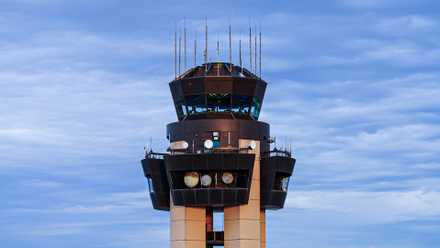
How Much Do Air Traffic Controllers At The World’s Busiest Airports Actually Earn In 2026?
Controllers are desperately needed to help with a global staffing shortage, pushing salaries higher and higher for those watching the skies
What Does It Take To Become An Air Traffic Controller?

In the US, the minimum qualifications to become an air traffic controller are that you must be a US citizen and under31. As part of the application process, you will be required to pass a medical examination and security investigation. An FAA air traffic pre-employment test must be undertaken, including the Air Traffic Controller Specialists Skills Assessment Battery (ATSA).
Being able to speak clear English is mandatory to ensure you can be understood through the communication equipment, and previous experience in a responsible workplace, or a Bachelor’s degree, or a combination of post-secondary education and work experience is required. Less than 10% of all applicants meet the requirements, and less than 2% complete air traffic controller training.
All candidates must meet strict medical requirements, including being physically and mentally fit, with standards for vision, hearing, cardiovascular, neurological, and psychiatric health. Successful applicants are required to spend several months at the FAA Academy in Oklahoma City, which is a paid training program. Once the initial training is complete, individuals are placed at airports or control centers across the country and have up to three years of additional training.