dailynewsnblog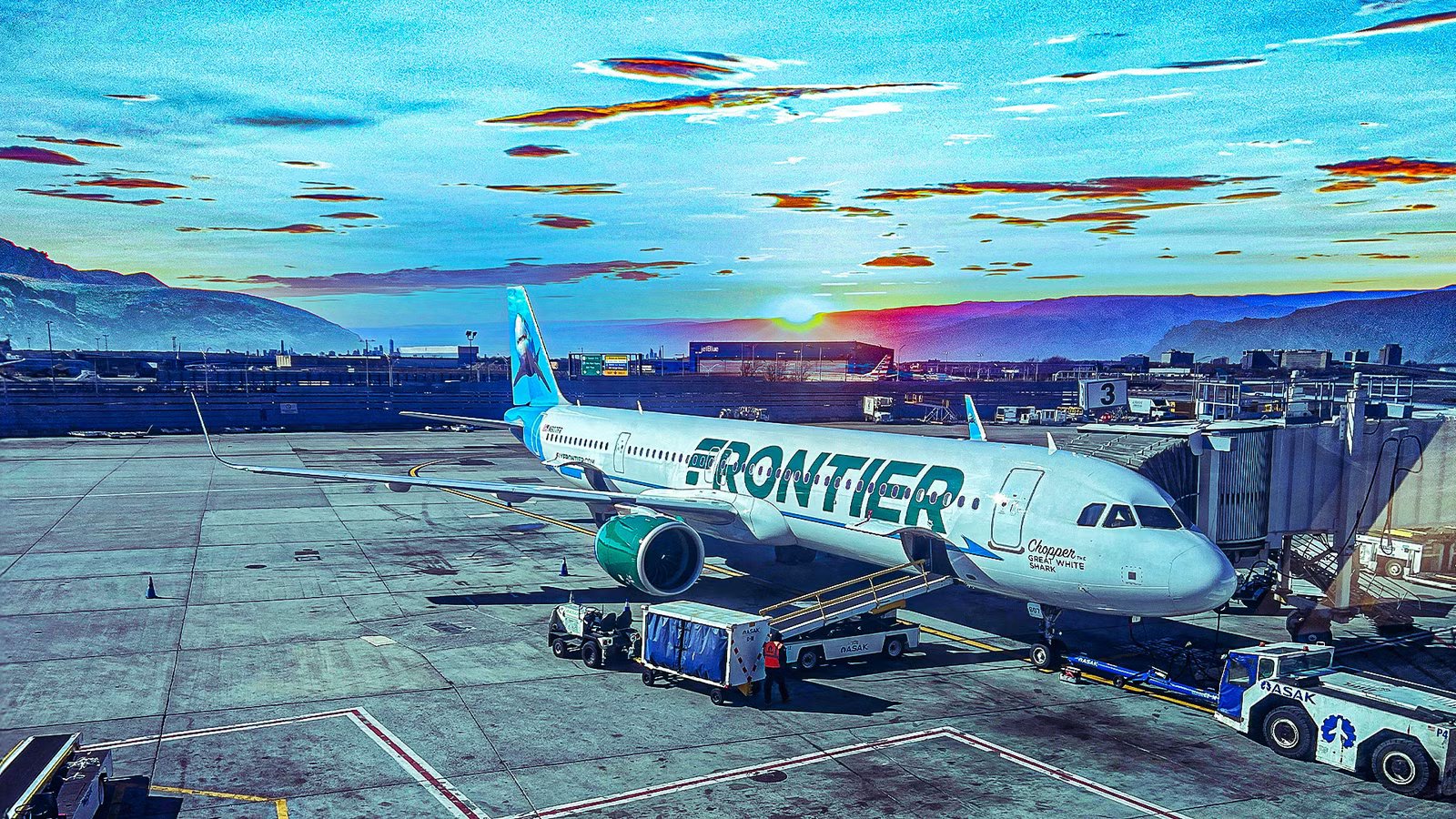
A Frontier Airlines flight from Cleveland Hopkins International Airport (CLE) to  Fort Lauderdale-Hollywood International Airport (FLL) declared a medical emergency on Thursday morning after four of the five flight attendants onboard fell sick. While the exact cause of the incident has yet to be confirmed, the reported symptoms are consistent with a fume event.
The incident occurred while the aircraft was on approach to Fort Lauderdale towards the end of its two-hour journey from Cleveland. After declaring a medical emergency, the pilots landed the aircraft safely, and two of the four flight attendants were transported to a hospital for treatment.
Frontier Flight Attendants Ill From Suspected Fume Event

The incident occurred onboard Frontier Flight F91046, leaving the majority of its flight attendant team stricken with illness towards the end of the flight. The aircraft involved was a 10-year-old Airbus A321 powered by two CFM56 engines, and can accommodate up to 230 passengers. Registered as N706FR, it is one of 21 older-generation A321ceo jets in Frontier’s all-Airbus fleet.
Date | August 13, 2026 |
Airline | Frontier Airlines |
Flight Code | F91046 |
Plane Type | Airbus A321 (reg: N706FR) |
From | Cleveland (CLE) |
To | Fort Lauderdale (FLL) |
Fate | Landed safely after declaring a medical emergency |
The flight departed Cleveland at 7:53 AM local time on Thursday, spending approximately two hours in the air on its way to South Florida. As the jet neared Fort Lauderdale, the pilots informed air traffic control (ATC) of a developing medical emergency onboard, with multiple flight attendants presenting symptoms of illness, like headaches and nausea. As per Live ATC, one of the pilots informed the controller,
“All my flight attendants have headaches, and now three, now four, are nauseous.”
Two Flight Attendants End Up In Hospital

The A321 landed safely at 10:11 AM and was met by medical teams at the gate. It has since been reported that two of the flight attendants were subsequently taken to the hospital, while there were no indications that any passengers onboard were affected. Simple Flying has contacted Frontier Airlines for comment, but a spokesperson could not be reached before publication.
Additionally, the aircraft’s return flight back to Cleveland — scheduled to depart at 11:30 AM as Flight F91045 — was canceled, as was a second Cleveland-Fort Lauderdale service later that afternoon, taking the airframe out of service for the remainder of the day. Flight tracking data shows the aircraft remains grounded in Fort Lauderdale more than 36 hours after landing.
With four of the five flight attendants onboard reporting symptoms of illness, the impact on Frontier’s schedule was not just aircraft-related. The carrier would have needed to source a fresh crew in Fort Lauderdale before the airframe could fly again, in addition to maintenance inspections required to establish what happened onboard.
Fume Event Dangers Create Growing Industry Concerns

Fume events, also referred to within the industry as “odor events,” have become a hotly contested topic, with Federal Aviation Administration (FAA) data and a breakthrough Wall Street Journal investigation last year finding a rise in reported fume events on commercial aircraft. These events occur when engine oil, hydraulic fluid, or other chemicals are vaporized and enter the cabin air supply.
The vast majority of commercial jets supply their cabins using bleed air, which is drawn from the engine compressors. However, components such as oil seals inside the engine can degrade over time, allowing toxic fumes to leak into the cabin air supply. A significant number of these events have been found to occur during descent, which is the phase when Frontier’s cabin crew began to feel sick.
Airbus A320-family jets, like the Frontier plane involved in Thursday’s incident, have been found to account for a disproportionate share of reported cases. For example, a study by the journal Aerospace found that A320-family aircraft accounted for almost 80% of reported fume events in the US, despite making up only 20% of the commercial fleet. The European planemaker is currently facing multiple lawsuits over cabin air contamination, including a complaint from a United Airlines flight attendant that deemed the issue as the manufacturer’s “dirty little secret.”