 dailynewsnblog
- Health
- July 5, 2026
- 5 min read
- 40 views
 dailynewsnblog
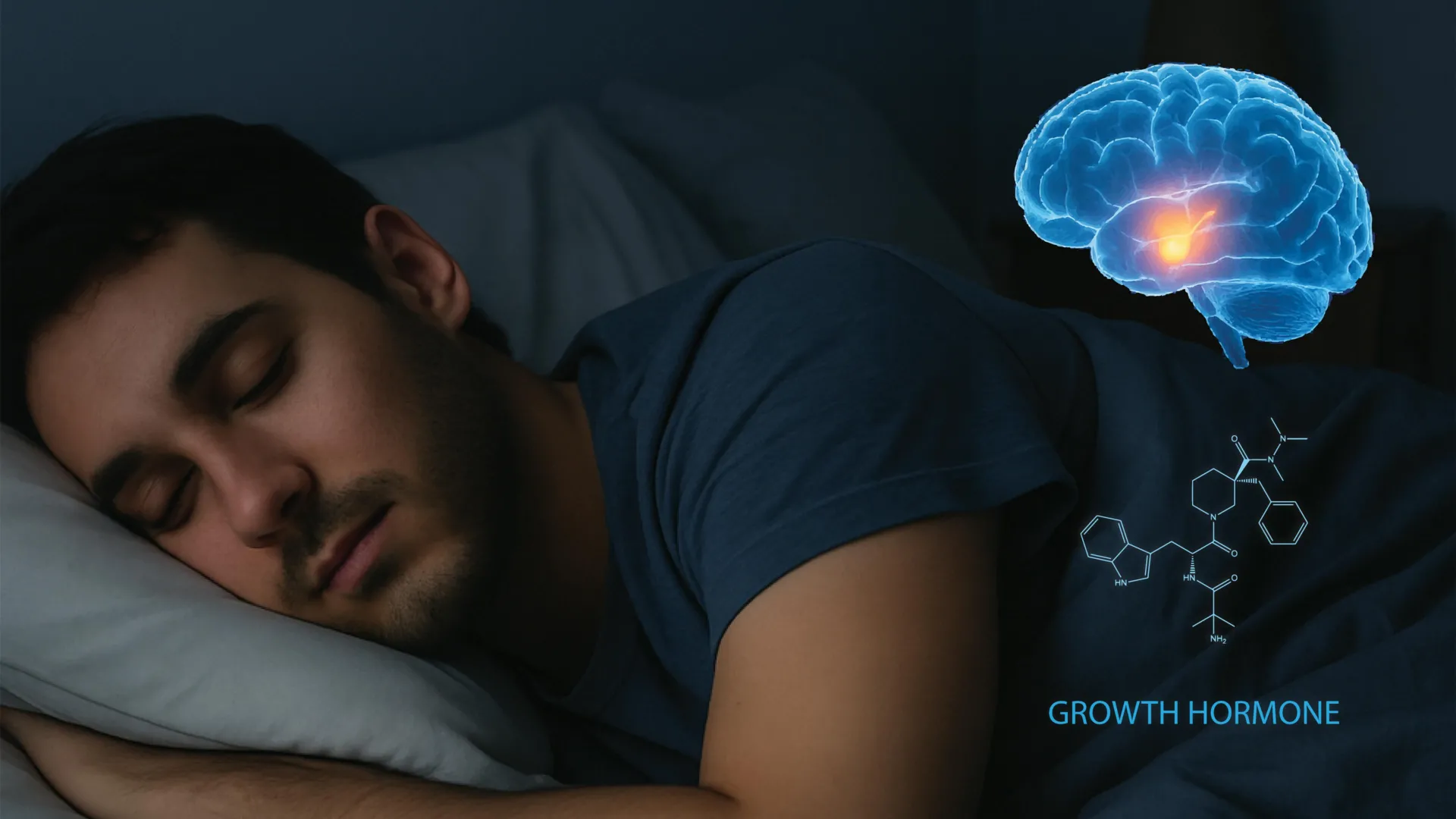
Scientists discover the deep sleep circuit that builds muscle, burns fat, and boosts the brain
A good night’s sleep does far more than leave you feeling refreshed. It also triggers the release of growth hormone, a key hormone that helps build muscle and bone, burn…

- dailynewsnblog
- Health
- July 5, 2026
- 3 min read
- 44 views
The secret to healthy aging may be hidden in your blood
People who live to age 100 and beyond often owe their exceptional longevity to a mix of protective genes and healthy habits. Researchers estimate that genetics account for as much…

- dailynewsnblog
- Health
- July 4, 2026
- 1 min read
- 44 views
'Lung scan in supermarket car park saved my life'
Sandra Champkins was symptom-free but a CT scan at Banbury’s Tesco car park detected she had cancer. Source link

- dailynewsnblog
- Health
- July 4, 2026
- 5 min read
- 41 views
Light switch wakes sleeping cancer cells and makes them vulnerable again
Some cancer cells can enter a dormant, sleep-like state that helps them survive treatment. Instead of continuing to grow and divide, these cells become largely inactive, allowing them to avoid…

- dailynewsnblog
- Health
- July 4, 2026
- 3 min read
- 42 views
NHS app to use AI to determine which service best for patients
Artificial intelligence will be used on the NHS app to determine which service is most appropriate for patients in England, the health service has announced. A new triage tool will…

- dailynewsnblog
- Health
- July 3, 2026
- 1 min read
- 45 views
How to walk 30 minutes a day – your tips
Ed Shirt, 25, recommends fitting in the 30 minutes wherever you can in the day and splitting it into chunks if that makes it more manageable. “Walk before work, on…

- dailynewsnblog
- Health
- July 3, 2026
- 1 min read
- 49 views
Do you have heart palpitations?
What are heart palpitations and when should you be concerned? Source link

- dailynewsnblog
- Health
- July 3, 2026
- 4 min read
- 41 views
WHO adds first diagnostic test for Ebola Bundibugyo virus to its Emergency Use Listing
Today, the World Health Organization (WHO) has added the first molecular diagnostic test for Bundibugyo virus (BDBV) to its Emergency Use Listing (EUL). The test detects the virus by identifying…

- dailynewsnblog
- Health
- July 3, 2026
- 1 min read
- 34 views
How to calm an overstimulated mind
Kimberley asks her guest, chartered psychologist Dr Ellie Buckley, why we get sensory overload. Source link
- dailynewsnblog
- Health
- July 3, 2026
- 4 min read
- 34 views
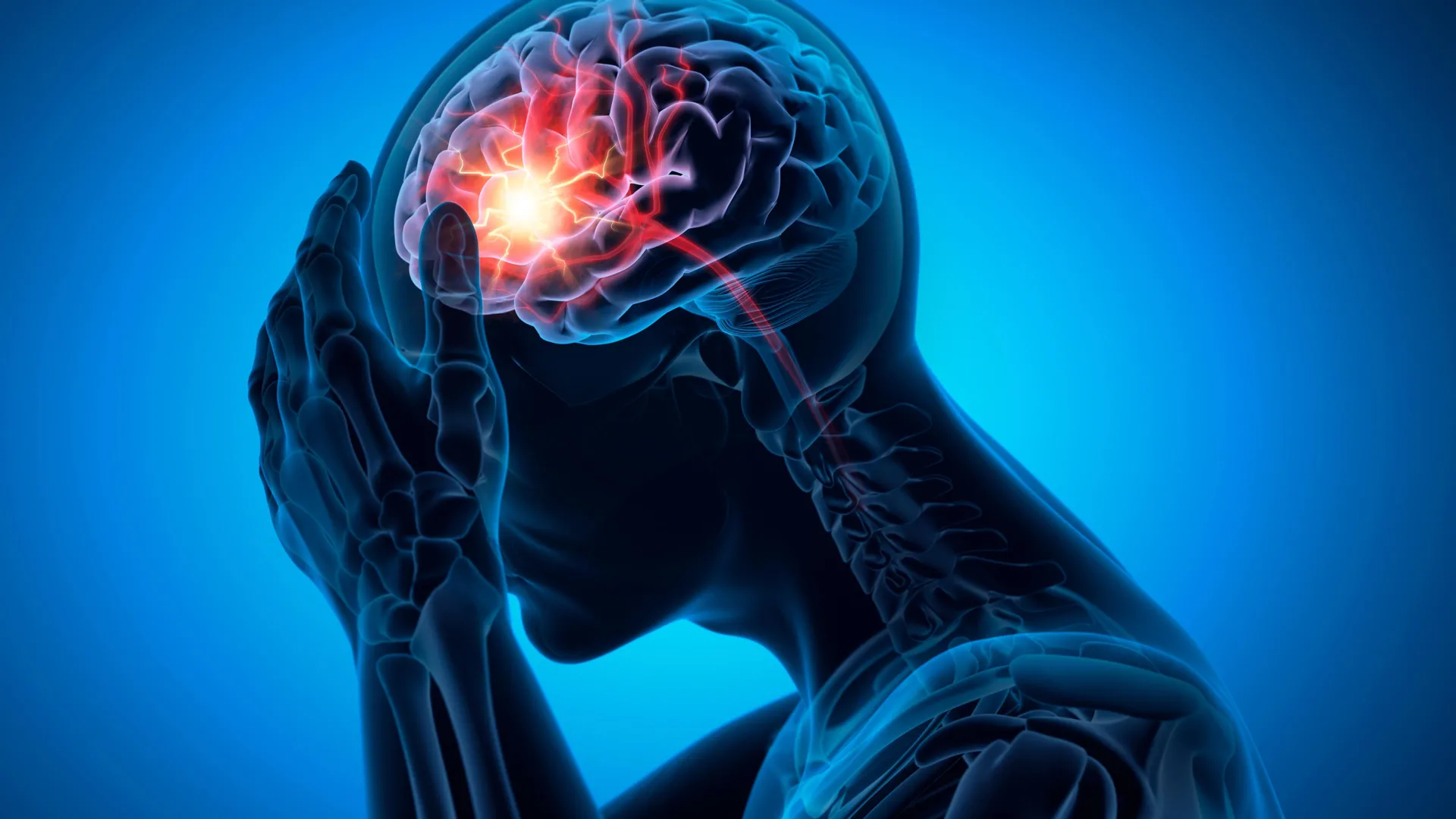
The real cause of a common stroke may have been missed for decades
Scientists have uncovered evidence that could change how doctors think about a common form of stroke and why standard preventive treatments often fail. New research suggests that lacunar ischemic stroke…