
 dailynewsnblog
- Health
- July 31, 2026
- 5 min read
- 16 views
 dailynewsnblog
Experts convened by WHO advise on candidate treatments and vaccines for Ebola disease caused by Bundibugyo virus
In response to the current outbreak of Ebola disease caused by Bundibugyo virus occurring in the Democratic Republic of the Congo, with cases also reported in Uganda, WHO convened several…

- dailynewsnblog
- Health
- July 31, 2026
- 1 min read
- 35 views
How to advocate for your health
Dr Xand van Tulleken and Professor Sunita Sar explore why we follow advice we suspect is bad for us. Source link

- dailynewsnblog
- Health
- July 31, 2026
- 3 min read
- 22 views
WHO urges governments to protect young people from addiction to tobacco and nicotine products
Worldwide, at least 40 million children aged 13–15 use tobacco products, and young people’s use of e-cigarettes and nicotine pouches continues to rise. In advance of World No Tobacco Day…

- dailynewsnblog
- Health
- July 31, 2026
- 2 min read
- 49 views
What your summer reading list says about you
You’ve been dreaming about that summer break on the sun lounger, book in one hand and drink in the other, for months. Now the dash to the airport gate, train…

- dailynewsnblog
- Health
- July 30, 2026
- 1 min read
- 46 views
Farmwatch: Farmer on mental health issues
“Tom the Young Farmer” tells BBC Radio Shropshire how it’s important to check in on his friends. Source link
- dailynewsnblog
- Health
- July 30, 2026
- 3 min read
- 43 views
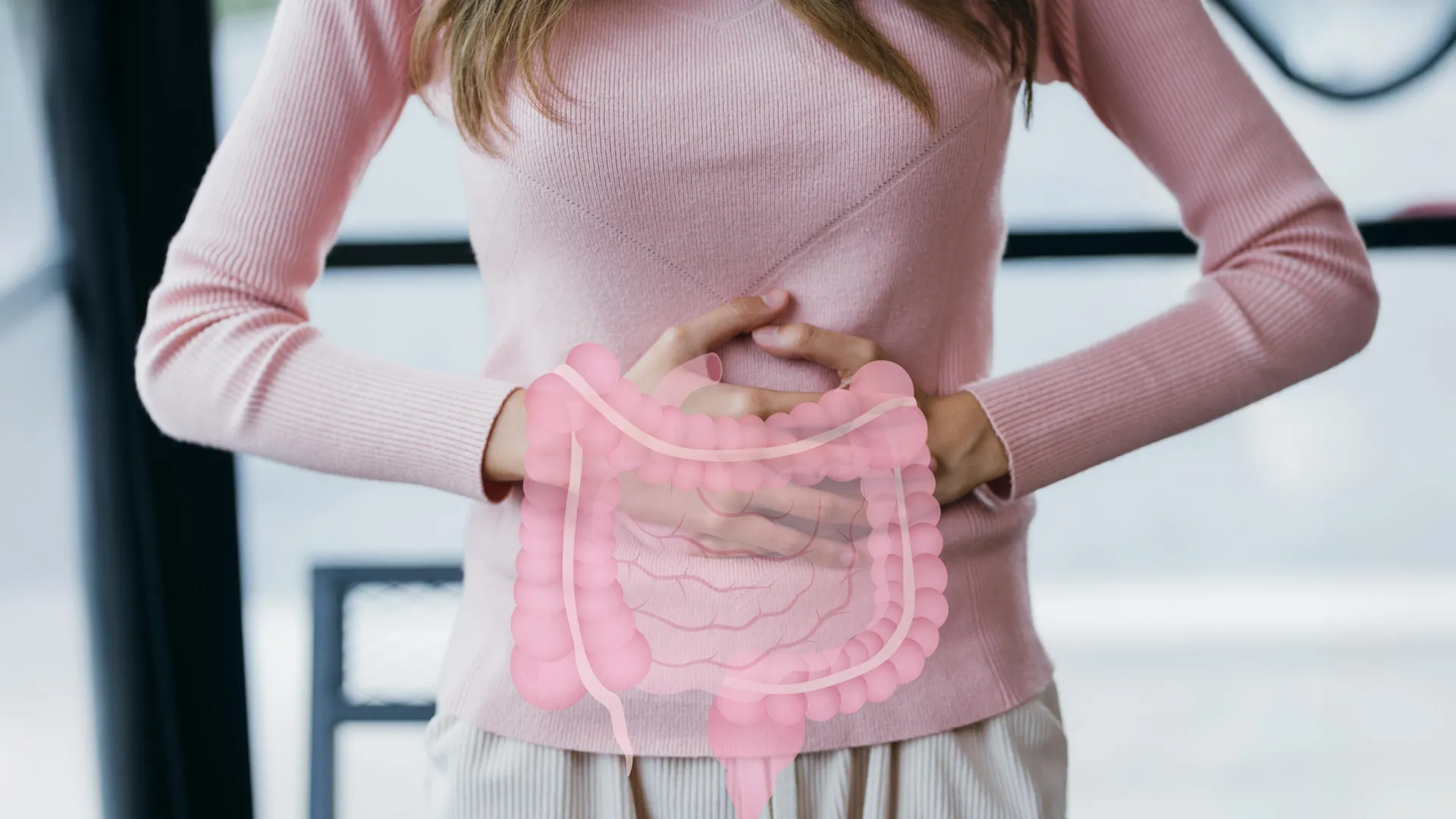
Rice bran compound may help ease irritable bowel symptoms
A naturally occurring compound found in rice bran may influence how strongly the intestines contract, according to new research from Toho University. The study, led by Dr. Keisuke Obara, Dr.…

- dailynewsnblog
- Health
- July 30, 2026
- 2 min read
- 54 views
UK warned about ‘explosive diarrhoea’ cyclospora infection
UK holidaymakers are being warned about a nasty infectious disease called cyclosporiasis that can cause explosive diarrhoea, after a sharp rise in cases. The UK Health Security Agency (UKHSA), external…

- dailynewsnblog
- Health
- July 30, 2026
- 1 min read
- 42 views
'I want to break the stigma around herpes'
The psychological effect of a herpes diagnosis can be greater than the physical symptoms, experts say. Source link

- dailynewsnblog
- Health
- July 29, 2026
- 1 min read
- 44 views
Festival make-up dos and don’ts to avoid a toxic glow up
How to get the look: Fairycore-inspired make-up is in, which means sparkles, face gems and glitter. Don’t go for subtle, says Skinner. “The ‘no make-up look’ is gone. Clean girl…

- dailynewsnblog
- Health
- July 29, 2026
- 3 min read
- 49 views
Daily multivitamin may help older adults stay independent
Maintaining the ability to handle everyday tasks without severe or limiting symptoms is an important part of quality of life in older age. New research suggests that taking a daily…