dailynewsnblog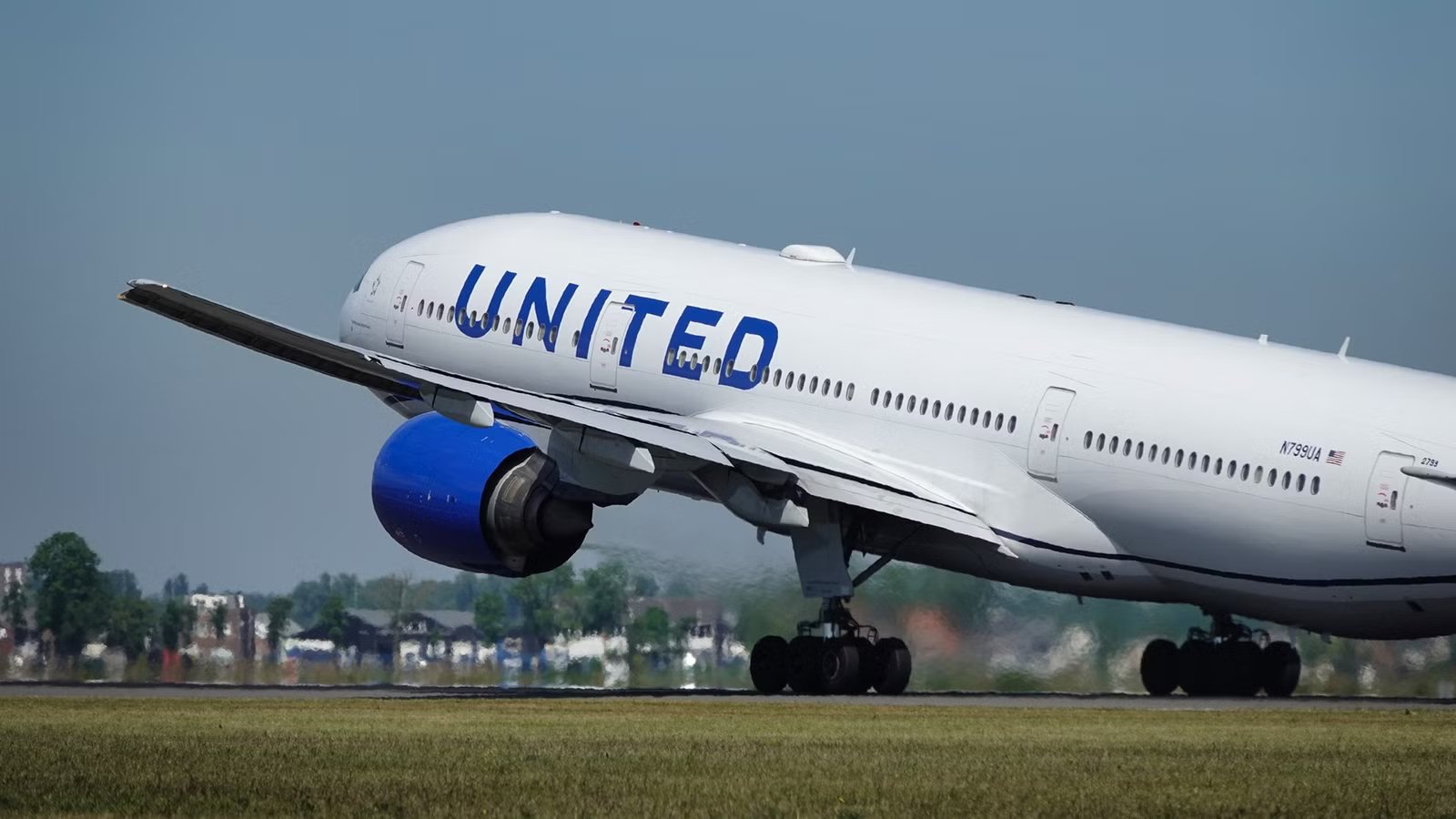
A social media post alleging that a  United AirlinesBoeing 777 departed with visible structural damage has ignited widespread debate online, with thousands of users questioning whether the aircraft was safe to fly. The claim originated after a passenger shared a photo appearing to show what looked like a crack in the wing root fairing area of the aircraft before departure, prompting speculation about maintenance standards and the continued operation of aging commercial airliners.
While the image quickly gained traction across X, aviation professionals and aircraft maintenance experts urged caution, noting that photographs alone rarely provide enough context to determine whether an aircraft has sustained structural damage. As of publication, United Airlines has not publicly commented on the specific social media claim, and there is no indication that aviation regulators have opened an investigation related to the aircraft shown.
Viral Photo Raises Questions

The controversy began when X user Lauren Self posted an image of a United Boeing 777, describing what she believed was a crack visible on the aircraft’s wing-to-fuselage fairing before it departed San Francisco International Airport (SFO) for  Chicago O’Hare International Airport (ORD). The aircraft was reportedly one of United’s original Boeing 777-200s (pictured above) and is part of a fleet that entered service during the mid-1990s and is now approaching 30 years of age. The post rapidly accumulated significant engagement, with many commenters expressing concern that an aircraft of that age could still be operating scheduled passenger flights. Others questioned whether the airline should have delayed departure until the apparent damage could be inspected.
However, experienced mechanics and pilots responding to the discussion emphasized that exterior panels, fairings, and composite coverings are frequently mistaken for primary structural components. They noted that photographs taken from passenger boarding bridges or terminal windows can exaggerate shadows, panel gaps, paint lines, and sealant joints, making them appear far more severe than they actually are. Without close physical inspection or maintenance records, determining whether a visible feature represents actual structural damage is virtually impossible.
Aging Aircraft Does Not Necessarily Mean Unsafe

Although the aircraft’s reported age became a focal point of the online discussion, aviation experts consistently point out that commercial aircraft are certified based on maintenance condition rather than chronological age. Modern airliners undergo continuous inspections throughout their operational lives. Airlines follow maintenance programs approved by aviation regulators, including routine daily inspections, scheduled A, C, and D checks, structural evaluations, and mandatory inspections required through Airworthiness Directives when applicable. Components showing signs of wear, corrosion, or fatigue are repaired or replaced long before they present a safety risk.
Many Boeing 777-200 aircraft built during the 1990s remain in commercial service around the world. The model has established one of the strongest safety records among widebody aircraft since entering airline service in 1995, and numerous carriers continue operating early-production examples following extensive maintenance and refurbishment programs. Aircraft age alone is therefore not considered an indicator of airworthiness.
Public Scrutiny Reflects Growing Focus On Aviation Safety

The incident also illustrates how quickly aviation images can spread online, often before their authenticity or technical significance can be verified. High-profile aviation events over the past several years have heightened public awareness of aircraft maintenance, leading many passengers to closely scrutinize anything unusual they observe before or during a flight.
History has shown that genuine structural or engine issues aboard Boeing 777 aircraft have resulted in detailed investigations by authorities such as the National Transportation Safety Board and the Federal Aviation Administration. Those investigations relied on physical inspections, flight data, engineering analysis, and maintenance documentation rather than passenger photographs alone. For example, previous United Boeing 777 incidents involving engine failures underwent comprehensive federal investigations before official conclusions were reached.
In the case of this viral photograph, there is currently no verified evidence that the aircraft departed with an unsafe structural defect or that it experienced any operational issue during the flight. Until additional information is released by the airline or regulators, the image remains an unverified social media claim rather than confirmation of a safety violation. For passengers, the episode serves as a reminder that while public vigilance can draw attention to potential concerns, determining an aircraft’s airworthiness ultimately depends on certified inspections and regulatory oversight rather than appearances in a single photograph.

![American Airlines Launches 10 Nonstop Routes From New York-JFK To Europe [List & Map]](https://dailynewsnblog.com/wp-content/uploads/2026/09/aa.png)