dailynewsnblog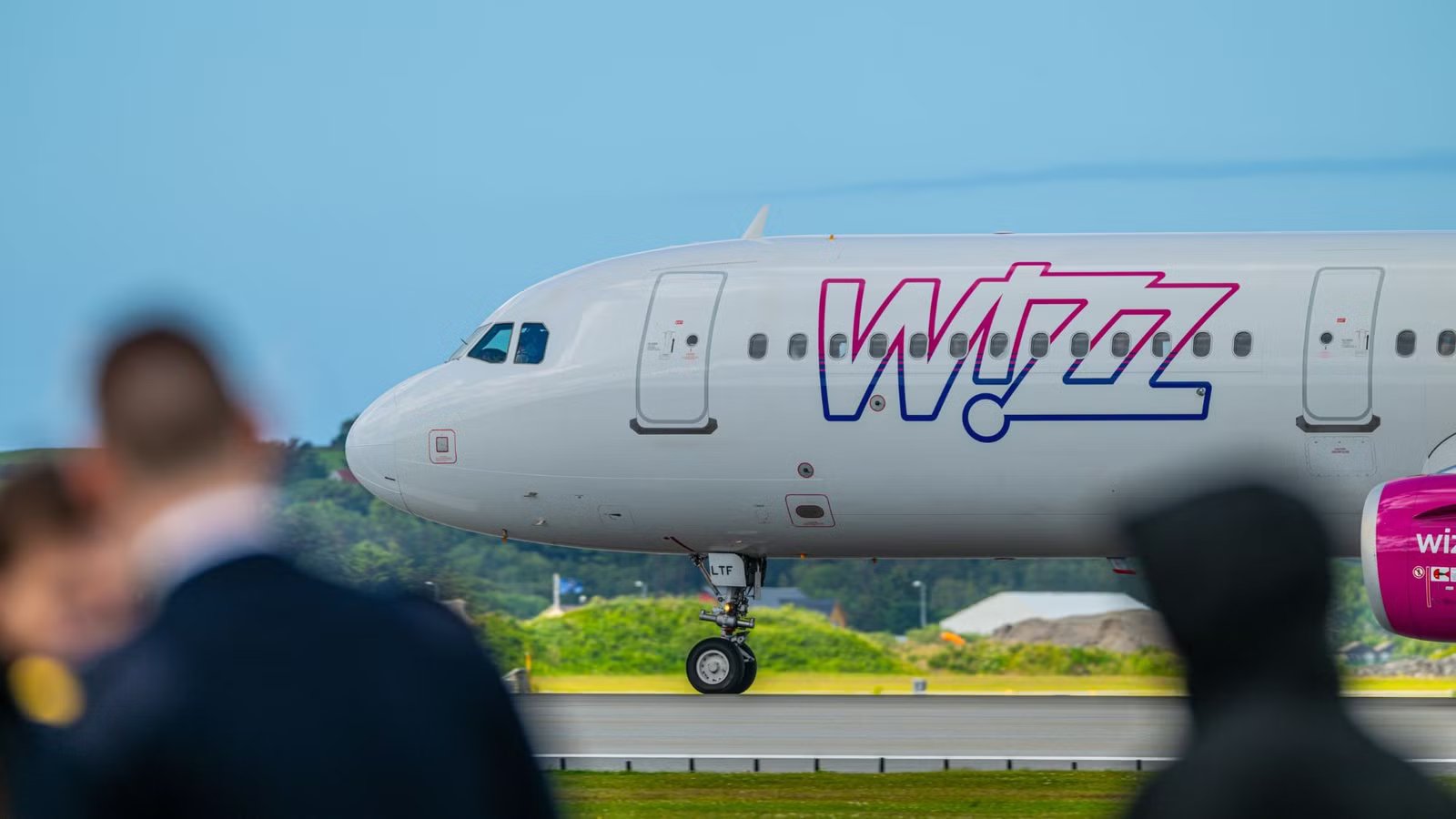
Wizz Air is planning a major network expansion across Central and Eastern Europe. By rolling out 19 new routes across Poland, Slovakia, and the Czech Republic, the airline is capitalizing on the growing demand for affordable, direct access to leisure destinations.
The network update marks a pivot toward year-round holiday hotspots, dramatically lowering the barrier to entry for travelers looking to swap freezing European temperatures for North African beaches or alpine ski slopes. At the heart of this expansion, highlighted by UK Airline Schedule Analyst Sean M on social media, is an aggressive push into Egypt and Morocco, alongside highly targeted additions to Western Europe and the Caucasus.
Poland serves as the primary driver for this growth, securing 15 of the new links, while critical winter bases in Bratislava and Prague capture the remainder. Rather than relying solely on traditional capital city hubs like Warsaw Chopin Airport (WAW), Wizz Air is distributing these routes across regional gateways. These include Gdańsk Lech Wałęsa Airport (GDN), Katowice Airport (KTW), Copernicus Airport Wrocław (WRO), and Kraków John Paul II International Airport (KRK).
Wizz Air’s Major Pivot To Winter Sun And Desert Escapes

The defining feature of this 19-route expansion is Wizz Air’s massive commitment to winter warmth, specifically targeting Egypt and Morocco’s shores. Travelers departing from Polish regional bases will now enjoy unprecedented access to the diving reefs of Marsa Alam International Airport (RMF) and Sharm El Sheikh International Airport (SSH), as well as the resort hub of Hurghada International Airport (HRG).
Meanwhile, M. R. Štefánik Airport (BTS) in Bratislava is set to become a key gateway for North African travel, launching twice-weekly flights to both Hurghada and Morocco’s coastal Al Massira Airport (AGA) in Agadir starting late October. This concentrated effort directly challenges other operators by offering flexible, low-cost scheduled flights to regions that have traditionally been dominated by expensive all-inclusive holiday packages.
Loading map…
Drag to explore
By locking in twice-weekly frequencies on prime sun routes, Wizz Air allows holidaymakers to customize the duration of their trips rather than being tied to rigid, week-long tourism slots. The increasing scale of Wizz Air’s network was displayed recently when the airline hit a record 1,200 flights operated in one day. Diarmuid O’Conghaile, Chief Operations Officer at Wizz Air, attributed the achievement largely to strong passenger demand:
“Operating 1,200 flights in one day is a proud moment for Wizz Air and is powered by our growing fleet of 267 state of the art aircraft, our expanding network and, most importantly, the strong demand from passengers who continue to choose Wizz Air for affordable and reliable travel,”
Bridging Regions With Unique Alpine And Caucasus Links

Beyond desert sands, Wizz Air is introducing highly tactical routes designed to capture distinct segments of the winter travel market, notably ski enthusiasts. Turin Airport (TRN) in Italy emerges as a major winner in this update, picking up new connections from Gdańsk, Katowice, Wrocław, and a weekly flight from Václav Havel Airport in Prague (PRG).
Positioned at the foot of the Alps, Turin serves as an ideal, low-cost entry point for skiers and snowboarders heading to world-class Italian resorts, providing a budget-friendly alternative to traditionally expensive alpine airports. Simultaneously, the airline is branching further east by introducing a twice-weekly connection between Bratislava and Heydar Aliyev International Airport (GYD) in Baku, the capital of Azerbaijan.
This route highlights Wizz Air’s ongoing ambition to connect Central Europe with the Caucasus and the Middle East, offering a unique cultural alternative to typical European city breaks. Additionally, Wizz Air is launching a new link between Warsaw and Lyon–Saint-Exupéry Airport (LYS), the culinary capital of France and a gateway to the French Alps. The carrier is carefully balancing its heavy leisure portfolio with robust urban and adventure-driven destinations.

A Huge Gamble? Low-Cost Carriers Are Now Adding Starlink WiFi To 200+ Aircraft
Wizz Air has made a bold move by becoming the first airline of its kind to offer superfast Starlink WiFi in Europe.
Decentralizing The Network Via Regional Hubs

A closer look at the route distribution reveals the operational strategy: Wizz Air is intentionally bypassing heavy reliance on congested primary hubs in favor of underutilized regional airports. This strategy is backed by massive scale: the airline now commands a 25.3% market share in Central and Eastern Europe, operating a sprawling network that recently hit a milestone of 1,000 active routes. Airports like Katowice and Gdańsk are being transformed into leisure gateways, picking up four new routes each.
This capitalizes heavily on the carrier’s existing foothold in Poland, where it already operates hundreds of routes to capture a massive share of the outbound market. Even smaller hubs like Warsaw Modlin Airport (WMI) are receiving multi-route boosts, proving that the airline sees immense, untapped outbound travel potential within Poland’s secondary metropolitan areas. By bypassing major capital congestion where slot constraints and airport taxes are notoriously high, Wizz Air can maintain its ultra-low-cost model.
This regional focus drives down operational overhead for a fleet that has rapidly expanded to 267 aircraft. It also stimulates local economies by turning regional airports into international transit points, keeping planes full as the airline targets 80 million passengers network-wide. Ultimately, this 19-route increase underscores Wizz Air’s broader playbook, aggressively scaling up where demand is high, keeping costs low, and ensuring that no geographic region is left behind in the race for travel dominance.


![5,100 Miles: Inside The USA’s 11 New Longest Nonstop Domestic Flights [List & Map]](https://dailynewsnblog.com/wp-content/uploads/2026/09/united-airlines-boeing-767-400er.jpg)