dailynewsnblog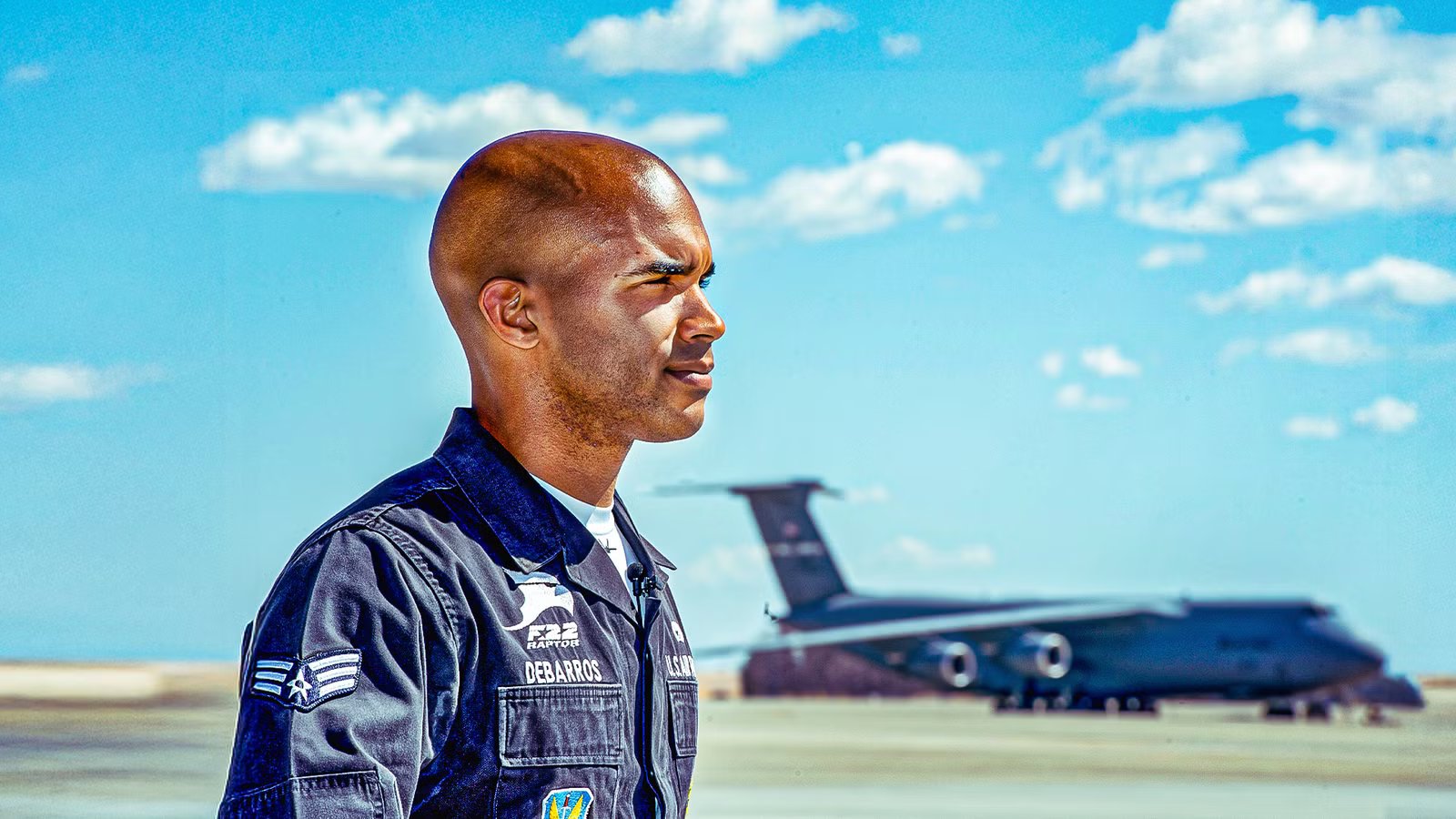
For decades, the United States military has produced some of the world’s most highly trained aviators. Air Force fighter pilots, US Navy carrier aviators, Marine Corps expeditionary pilots, and Army helicopter crews operate aircraft in environments far more demanding than most civilian flying jobs. But in 2026, despite increasingly aggressive retention bonuses and improved compensation packages, military pilot salaries still lag behind what commercial airlines now offer.
The gap has become one of the Pentagon’s most persistent personnel problems. Airlines are hiring at historic rates, pilot shortages continue across the commercial sector, and thousands of military aviators are reaching a career point where they must decide whether to remain in uniform or move into civilian aviation. The result is a retention crisis that the United States Air Force, Navy, and Marine Corps have been trying to solve for more than three decades. While pay is not the only factor driving departures, it remains one of the clearest indicators of why experienced military pilots continue leaving active duty.
The Airline Pay Gap Has Become Impossible To Ignore

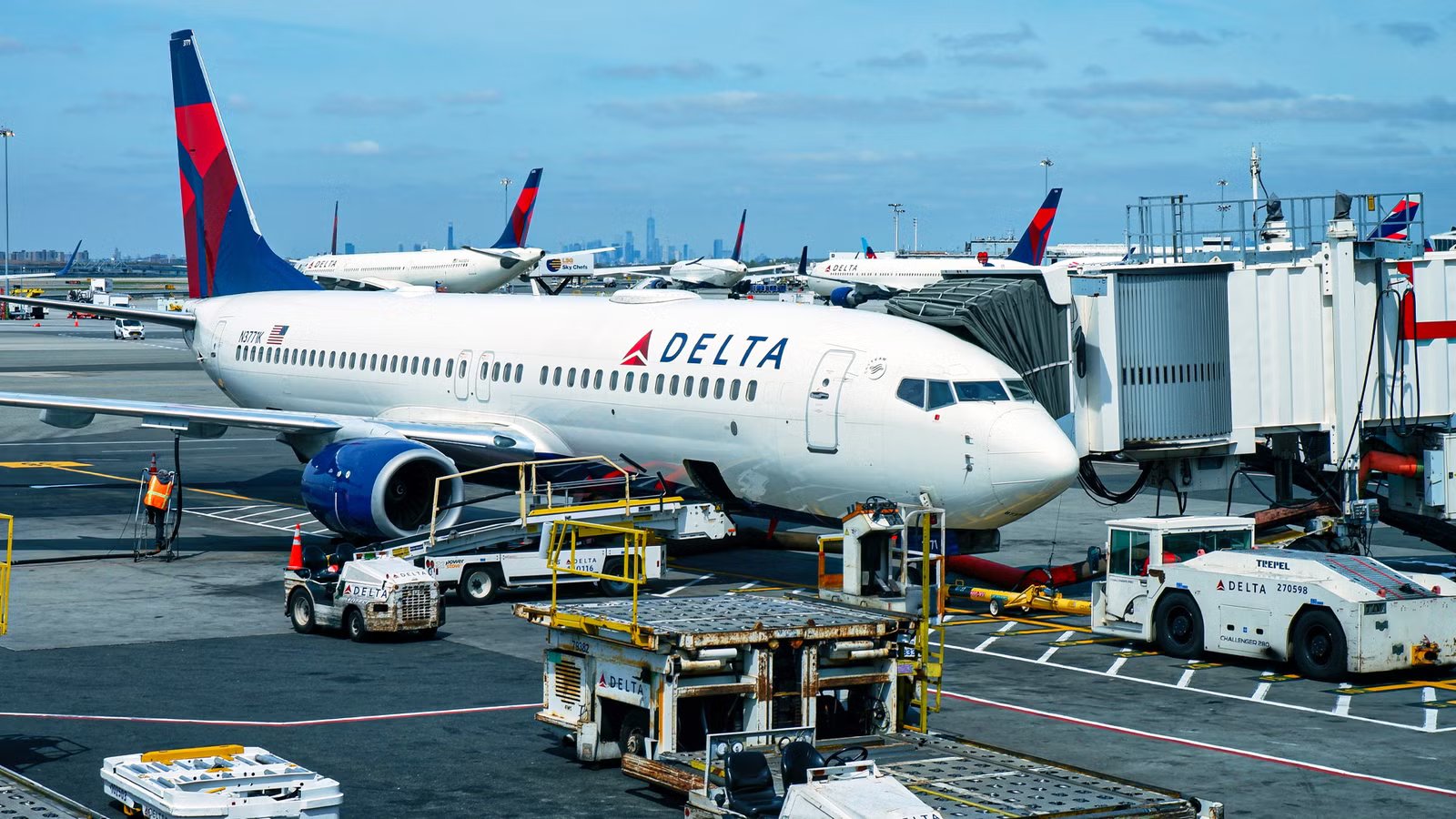
The raw salary comparison between military aviation and commercial airlines is shocking. According to the Bureau of Labor Statistics’ airline pilot pay data, the median annual salary for airline pilots now sits around $226,000, with senior captains at major US carriers earning substantially more. Widebody captains flying international routes for airlines such as  Delta Air Lines,
  United Airlines, and
  American Airlines can exceed $400,000 annually in total compensation.
By comparison, a newly commissioned United States Air Force Second Lieutenant pilot starts with base pay of roughly $50,000 annually, though total compensation rises closer to $90,000 annually once housing allowances, healthcare, and aviation incentives are included. According to Simple Flying’s breakdown of USAF pilot salaries in 2026, a mid-career Air Force Captain generally earns between $115,000 and $155,000 annually in total compensation.
Even the highest-paid active-duty Air Force aviators face ceilings far below commercial airline earnings. Senior Lieutenant Colonels and Colonels can reach approximately $200,000 annually once Aviation Incentive Pay, bonuses, and allowances are combined. However, that figure is roughly comparable to what a senior First Officer at a major airline earns — not a captain. Our previous analysis of the highest-paid USAF pilots notes that commercial airline salaries now routinely outpace military compensation at nearly every career stage beyond initial training.
The disparity becomes even more obvious when pilots consider lifetime earnings. An airline pilot who joins a major carrier in their late twenties may spend three decades climbing seniority lists and earning progressively larger salaries. Meanwhile, military pilots often spend years in operational assignments before even becoming eligible to transition into commercial aviation.
The Air Force Is Offering Substantial Bonuses — But Pilots Are Still Leaving

To counter the growing retention problem, the United States Air Force has dramatically expanded aviation bonus programs. According to Air & Space Forces Magazine’s coverage of the FY2026 aviation bonus program, experienced pilots can now receive bonuses worth up to $50,000 annually, totaling as much as $600,000 over 12 years for those willing to commit to extended service contracts.
The Air Force also introduced a new option that allows some aviators to receive up to $200,000 upfront in exchange for shorter commitments and preferred assignment opportunities. Fighter pilots, bomber crews, mobility aviators, and reconnaissance pilots remain among the primary targets of these retention initiatives. Stars and Stripes’ report on Air Force pilot bonuses and Air Force Times’ analysis of the same program both highlighted how aggressively the service is now trying to retain aviators.
Yet even these extraordinary incentives have not resolved the problem. According to ClearanceJobs’ report on the Air Force retention push, many pilots still view airline careers as financially superior over the long term. A single signing bonus may look substantial initially, but commercial airline pilots can earn millions more over a full career due to higher salaries, profit sharing, and stronger retirement accumulation.
The military also faces a difficult perception issue. Airline pilots generally experience stable schedules, predictable career progression, rising salaries over time, and lower risk. Military aviators, meanwhile, face deployment cycles, operational uncertainty, and assignment structures that often reduce flying time later in their careers. As a result, even large retention bonuses frequently fail to outweigh the long-term civilian financial advantage.
The US Air Force Pilots With The Highest Salaries In 2026
Discover the highest-paid US Air Force pilots in 2026, including ranks, bonuses, and total salaries for top-earning military aviators.
RAND Studies Show The Retention Problem Is Bigger Than The Bonus System

The Air Force’s pilot shortage is not a new phenomenon. The service has faced persistent retention challenges since the 1990s, and multiple studies have suggested that bonuses alone are unlikely to solve the problem. According to a RAND-based analysis published by Downwind Beach House, even back in 2016 — when airlines were hiring only around 3,800 pilots annually — RAND estimated the Air Force would need to offer approximately $62,500 per year in bonuses simply to maintain retention at early-1990s levels.
Adjusted into modern dollars, that figure would equal roughly $80,500 annually in 2024-equivalent purchasing power. Today, however, airline hiring has accelerated dramatically. Major US carriers are now hiring more than 12,000 pilots annually, creating far greater competition for military aviators than RAND originally modeled.
According to Simple Flying’s analysis of the Air Force pilot shortage, the USAF remained approximately 1,848 pilots short of its authorized force structure as of 2024. Of that total, around 1,142 positions were within the fighter pilot community specifically. Air Force leaders have openly acknowledged that pilot production and retention remain below long-term requirements.
Then-Lieutenant General Adrian Spain stated in 2024 that the Air Force had tried numerous approaches to increase pilot production but still struggled to reach its target of producing 1,500 pilots annually. IDGA’s analysis of Air Force pilot shortage strategies notes that the service increasingly views the issue as a structural workforce challenge rather than a short-term recruitment problem.
The reality is that military aviation training pipelines are expensive and time-consuming. Producing a combat-ready fighter pilot can take years and cost millions of dollars. Losing experienced aviators, therefore, creates not only personnel shortages but also major strategic and financial consequences for the Department of Defense.
Seniority & Lifestyle Are Often More Important Than Annual Salary

While salary differences receive most of the public attention, many military pilots say the deeper issue is actually long-term career structure. Airline seniority systems create powerful financial incentives for pilots to leave military service earlier rather than later.
At major US airlines, seniority determines nearly everything: aircraft assignments, schedules, vacation priority, base location, route selection, and ultimately compensation. A pilot who joins Delta or United in their late twenties begins accumulating seniority immediately. By comparison, a military pilot who remains in service until age 35 may start their airline career five to ten years behind peers who transitioned earlier.
That seniority gap compounds financially across an entire career. Even if military pilots receive large retention bonuses, they cannot recover lost airline seniority later. A pilot who delays airline entry may lose millions in cumulative lifetime earnings because they spend fewer years holding senior captain positions on high-paying international routes.
Lifestyle differences also play a major role. Military pilots routinely face combat deployments, temporary duty assignments, relocations, family separation, and mandatory non-flying positions. Airline Pilots certainly deal with scheduling pressures and time away from home, but they generally have significantly more control over where they live and how they structure their careers.
The Air Force increasingly recognizes that financial incentives alone are insufficient. Congress has also begun addressing the issue through broader legislative efforts focused on flexibility, career management, and quality-of-life improvements.
How Military Pilot Salaries Compare Across The US, UK, Japan & China In 2026
How the pay checks stack up in the world’s top air forces.
The Military Is Losing Pilots Faster Than It Can Replace Them

One of the Pentagon’s biggest concerns is that the airline hiring boom is expected to continue well into the 2030s. More than 20,000 airline pilots are projected to reach the FAA’s mandatory retirement age over the next decade, meaning commercial airlines will continue aggressively recruiting trained aviators for years.
US Military Pilots vs Airline Pilots Salary Comparison (2026)
Pilot Career Path | Typical Annual Compensation |
USAF Second Lieutenant Pilot | $90,000 |
Mid-Career USAF Captain Pilot | $115,000-$155,000 |
Senior USAF Colonel Pilot | ~$200,000 |
Major Airline First Officer | $180,000-$250,000 |
Major Airline Narrowbody Captain | $250,000-$350,000 |
Major Airline Widebody Captain | $350,000-$450,000+ |
The military’s challenge is particularly severe because it cannot rapidly scale pilot production. According to our previous fighter pilot salary analysis, combat aviators require years of specialized training before becoming operationally qualified. Fighter pilots, bomber crews, and strategic mobility aviators represent highly technical skill sets that airlines can recruit immediately without paying training costs themselves.
The strategic consequences are enormous. Training a single Air Force fighter pilot costs between $5 million and $12 million (depending on the aircraft type), so every experienced pilot’s departure represents a massive financial loss. But from the pilot’s perspective, transitioning to the airlines can still make economic sense, since military pilots do not pay for the expensive flight training out of pocket.
This is why military leaders increasingly describe the pilot shortage as a national strategic readiness issue rather than simply a human resources challenge. Experienced pilots are difficult to replace quickly, especially in highly specialized and complex aircraft.
Why The Air Force Now Talks About A “System Of Systems” Solution

Military leaders increasingly acknowledge that there is no single fix for the pilot retention crisis. The Air Force has already tried larger bonuses, improved assignment flexibility, expanded flight training pipelines, and revised promotion structures. Yet the gap between military aviation and commercial airline careers continues to widen.
According to Air Force leadership statements cited by Air & Space Forces Magazine, the service now believes solving the shortage requires a “holistic system of systems” approach rather than isolated retention programs. That means addressing pay, quality of life, deployment tempo, assignment control, and long-term career flexibility simultaneously.
The challenge is that airlines possess structural advantages that the military cannot easily replicate. Commercial carriers do not require combat deployments, overseas rotations, or frequent base relocations. Airline pilots also maintain far greater control over their schedules and long-term career planning. Even if military salaries rise further, those lifestyle differences may continue pushing experienced aviators toward civilian careers.
Still, military aviation retains unique advantages. Flying combat aircraft, operating from aircraft carriers, supporting special operations missions, or piloting advanced stealth fighters remain operational flying roles unavailable elsewhere in aviation. For many pilots, those experiences still justify years of service despite the financial gap.