Why international law can’t stop mass atrocities | TV Shows


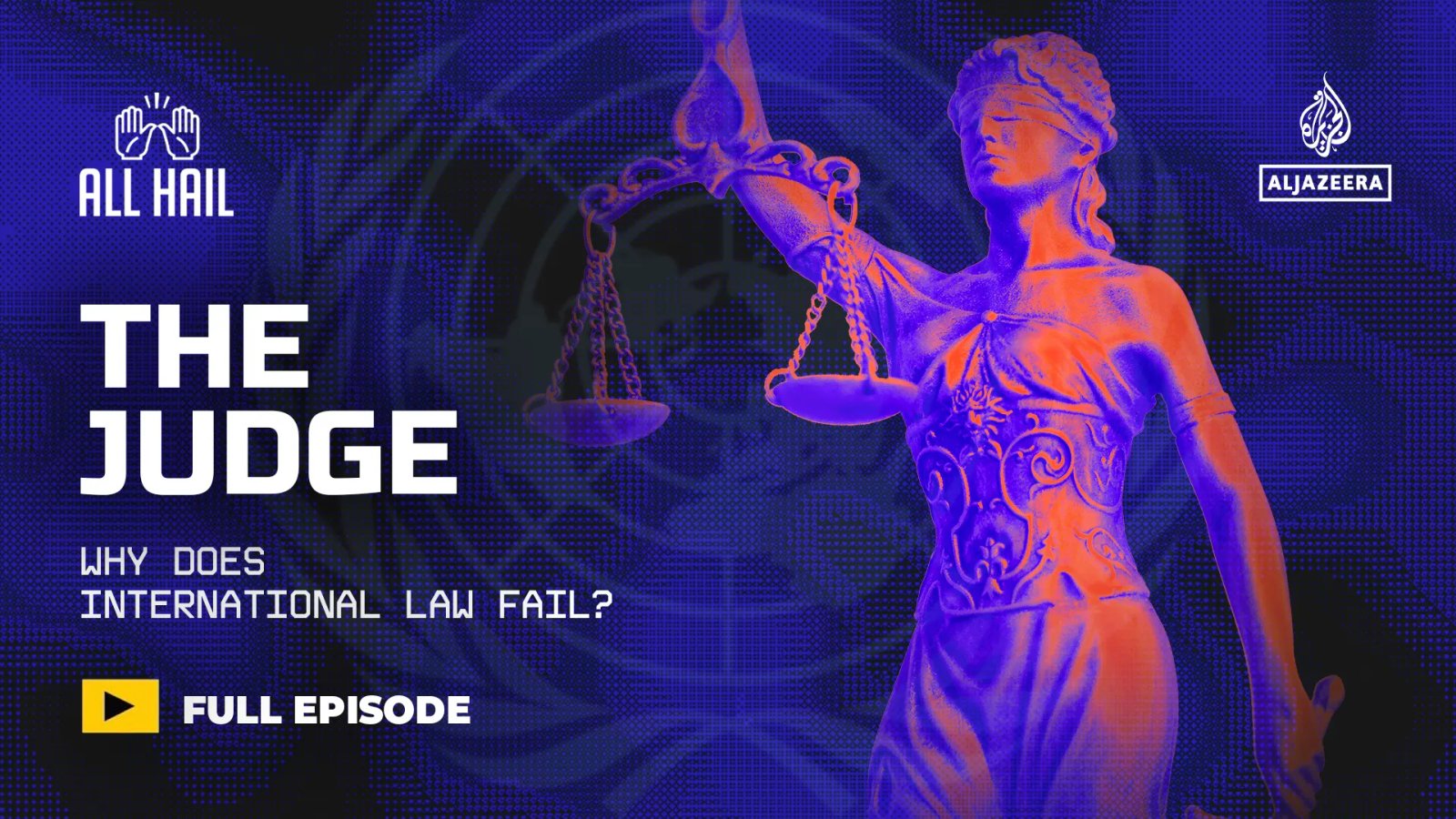
The Hague in the Netherlands hosts the world’s most powerful international courts, where judges speak for the conscience of humanity. Yet we consult them only after atrocities have erupted – after wars have shattered communities and legal battles begin.

In theory, law can hold power to account. But has it been enough? Can it truly confront militarism, prevent atrocities, and protect people before disaster strikes?

Join Ali Rae for episode two of All Hail the Military, a five-part series that reveals the systems, power, and hidden complicities that sustain global militarism – and the profound impact it has on us all.


Source link

  • Related Posts

    Latvian government collapses amid dispute over breaches by Ukrainian drones

    Prime Minister Evika Silina resigned after suspected Ukrainian drones headed for Russia crossed into her country, sparking concerns about its defenses. Source link

    Trump’s Push to Keep Coal Plants Open Is Costing Hundreds of Millions

    It’s been nearly a year since the Trump administration began issuing orders to keep five aging coal plants in four states open past their scheduled closures, citing an “energy emergency”…

    Leave a Reply

    Your email address will not be published. Required fields are marked *

    You Missed

    Establishing AI and data sovereignty in the age of autonomous systems

    Establishing AI and data sovereignty in the age of autonomous systems

    Michelle Obama Dons Celine in New Podcast with Serena Williams

    Michelle Obama Dons Celine in New Podcast with Serena Williams

    Latvian government collapses amid dispute over breaches by Ukrainian drones

    Latvian government collapses amid dispute over breaches by Ukrainian drones

    Politics and its Discontents: All Manner Of Excuses

    Politics and its Discontents: All Manner Of Excuses

    Patio season, served: OpenTable reveals Canada’s Top 100 Restaurants for Outdoor Dining in 2026

    Carney announces plan to double electricity grid capacity by 2050