dailynewsnblog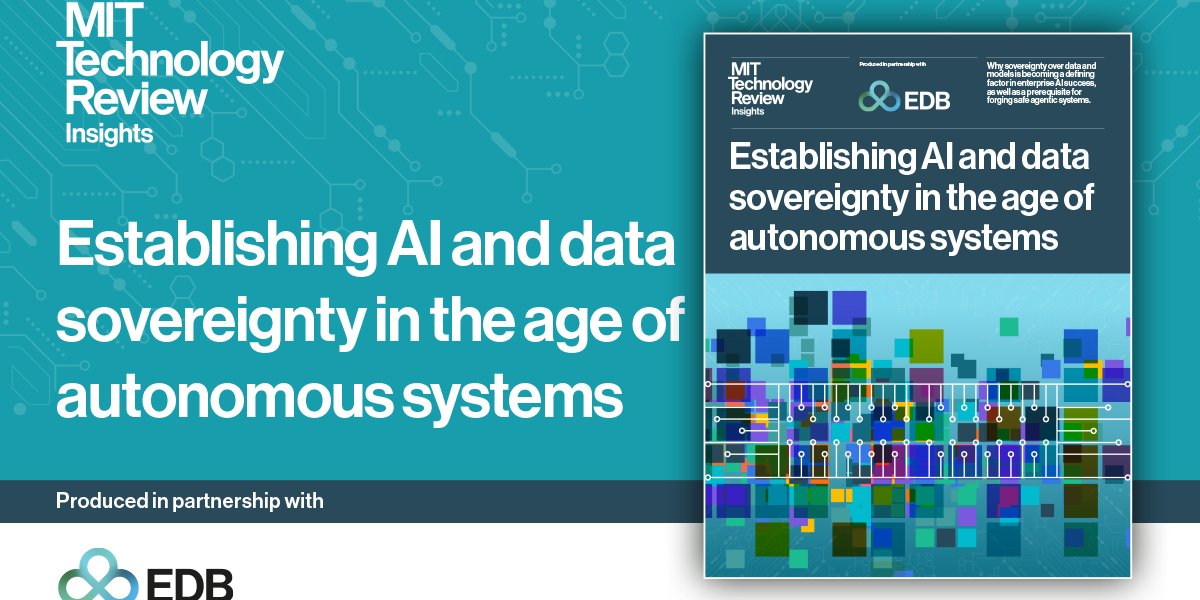
“Data is really a new currency; it’s the IP for many companies,” says Kevin Dallas, CEO of EDB, echoing a recurrent anxiety from customers. “The big concern is, if you’re deploying an AI-infused application with a cloud-based large language model, are you losing your IP? Are you losing your competitive position?”

That question is now fueling a movement toward reclaiming both the data and AI systems that have rapidly become part of core business infrastructure. AI and data sovereignty, which refers to breaking dependence on centralized providers and establishing genuine control over models and data estates, it is an urgent priority for many companies, says Dallas, citing internal EDB data: “70% of global executives believe they need a sovereign data and AI platform to be successful.”
The idea of AI sovereignty is becoming a global policy conversation. NVIDIA CEO Jensen Huang recently spoke about the need for such a shift at the World Economic Forum’s annual meeting at Davos in January 2026: “I really believe that every country should get involved to build AI infrastructure, build your own AI, take advantage of your fundamental natural resource—which is your language and culture—develop your AI, continue to refine it, and have your national intelligence be part of your ecosystem.”

This report explores how enterprises are pursuing sovereignty over their models and data estates in an era of rapid AI adoption. Drawing on a survey conducted by EDB of more than 2,050 senior executives and a series of interviews with industry experts, the research confirms that the sovereignty movement on the enterprise level is already well underway.
Download the report.
This content was produced by Insights, the custom content arm of MIT Technology Review. It was not written by MIT Technology Review’s editorial staff. It was researched, designed, and written by human writers, editors, analysts, and illustrators. This includes the writing of surveys and collection of data for surveys. AI tools that may have been used were limited to secondary production processes that passed thorough human review.