dailynewsnblog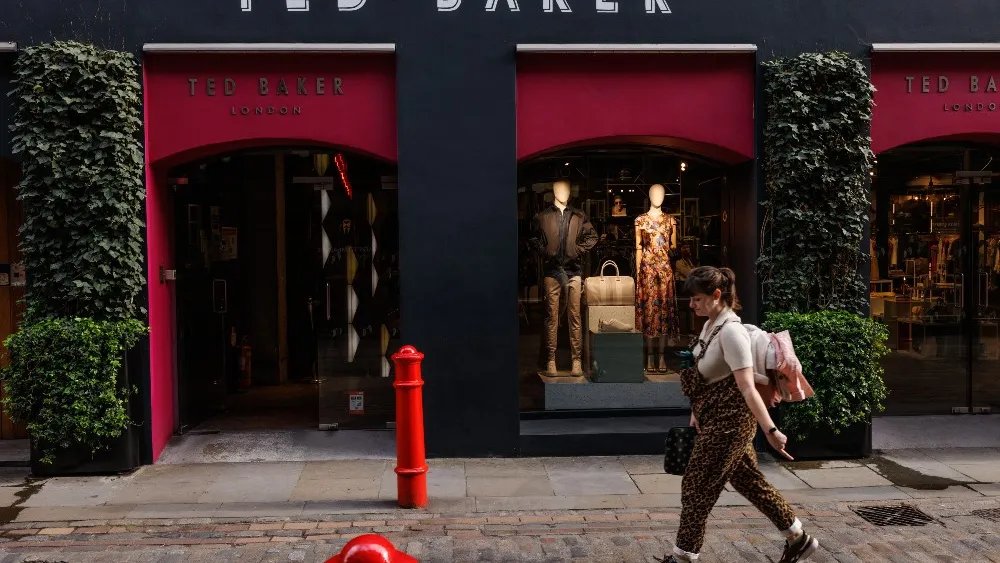
Retail sales growth in the United Kingdom is in the doldrums as the summer months come to a close, according to newly released data from the British Retail Consortium.
Total retail sales growth slowed to a four-month low in August, with the annual growth rate hitting just 0.7 percent compared to 1.3 percent in July. Volume sales growth slowed in July to 1.6 percent from 3.8 percent in June, illustrating the downward trend.
The BRC also assessed “like-for-like growth,” accounting for changes in floor space, showing that it contracted to 0.5 percent from 1 percent from July to August. When it came to e-commerce, non-food sales fell 0.2 percent in August compared to the previous year, which saw 2.7 percent growth. The 12-month average growth rate for online non-food sales was 1.3 percent.
According to KPMG U.K. head of consumer, retail and leisure Linda Ellett, summer spending began in earnest in May—earlier than normal—due to an uncharacteristic heat wave.
“[E]arlier higher temperatures pulled forward related purchases,” she said, noting that while certain categories, like food and drink, saw sustained growth in spite of the record hot weather, “most other categories couldn’t sustain another month of growth,” which “resulted in a largely flat month for non-food goods overall.”
“Retailer focus has now moved to back to school, with planning for the final quarter of the year and the lead-in to Black Friday month underway,” she added.
“Clothing performance dropped from its summer highs but remained slightly in growth,” BRC senior analyst Ian Bendelow said. However, footwear continued a “woeful run,” demonstrating a notable decline in men’s shoes. Despite the back-to-school momentum, children’s shoes also saw negative growth.
“August was a disappointing month for retail sales. Despite pockets of growth, particularly in some food categories, overall performance was below the average for the past year,” BRC lead economist Harvir Dhillon said.
Household costs have been rising and are set to go up even further, Dhillon added, noting that many shoppers have “clearly been tightening their belts” in anticipation of higher inflation this fall. This manifested in a reduction in discretionary spending on “big-ticket purchases” like furniture and household appliances. Instead, shoppers opted for smaller splurges, mostly related to health and beauty.
“As summer spending cools, all eyes turn to the Autumn Budget. Retailers are being hit by a double whammy of rising costs and slowing consumer demand,” he said.
The new U.K. government has centered high streets as an area of potential economic growth, and the upcoming nationwide budget could be an opportunity to deliver on the commitments made during political campaigns, Dhillon said. “Taking action on business rates and energy costs would help support retail investment in local communities while delivering value for consumers,” he added.
The declines seen in August are notable considering recent consumer sentiment reporting that appeared to show that U.K. shoppers have actually been feeling more bullish about their finances lately.
According to a Barclay’s survey also released this week, consumers’ confidence in their household finances hit 66 percent in August—the highest level seen in six months and 2 percent higher than July. Shoppers indicated that they weren’t overly anxious about making ends meet; 71 percent (up from 69 percent in July) said they were feeling more assured about living within their means, and 54 percent (up from 53 percent the month prior) said they were more confident in their spending on non-essential products.