dailynewsnblog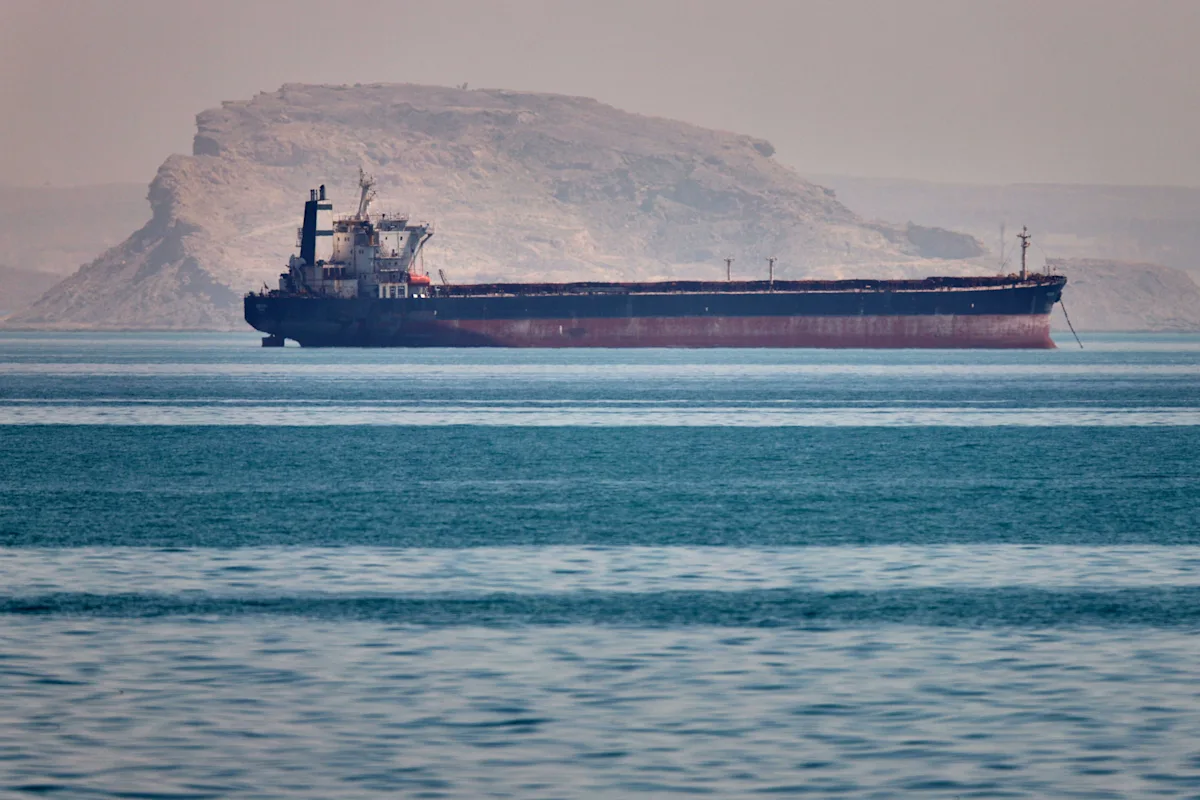
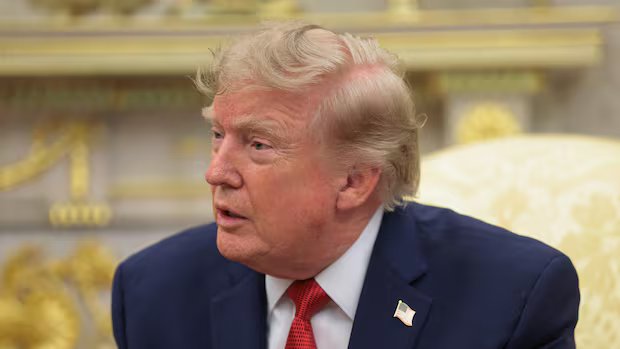
President Trump said Saturday evening an agreement with Iran that will set the framework for renewed peace talks and reopen the Strait of Hormuz would be announced shortly, renewing hopes for a potential end to the war that has rattled the global economy.
The framework is “subject to finalization” between the US, Iran, and several other countries, with “final aspects and details of the deal” to be announced shortly, Trump said in a Truth Social post.
Futures on Brent crude (BZ=F), the international benchmark, closed Friday just above $100 per barrel, while those on US benchmark WTI crude (CL=F) ended the week above $96.
Oil prices fell on Thursday after a semi-official Iranian news agency said in a post on Telegram that leaders from Washington and Tehran had largely agreed on a plan that included a full ceasefire and renewed navigation of the Strait of Hormuz, with negotiations on other topics such as Iran’s nuclear program to come further down the road.
The comments from the president come after Iranian leaders said earlier that talks were progressing, with focus on ending fighting across all fronts. While neither Iran nor Israel immediately confirmed Trump’s statement, Iran’s foreign ministry spokesman Esmail Baghaei said earlier Saturday that Washington and Tehran were in the “final stage” of drafting a “memorandum of understanding.”
Pakistan and a collective of other Arab nations have been pushing for a six-week extension of the ceasefire currently in place, Bloomberg reported. Trump met with leaders of Saudi Arabia, the UAE, Qatar, Turkey, Jordan, and Pakistan, along with Israeli Prime Minister Benjamin Netanyahu, about the deal to be announced, the US leader said on Saturday.
While the news is likely to send positive signals through the economy, the president’s announcement didn’t include details on key red lines for Washington and Tehran, such as Iran’s nuclear enrichment program and stores of enriched uranium; the financial sanctions the US has placed on Iranian oil sales; or Iran’s assets frozen by the US Treasury Department.
Baghaei’s comments suggested those issues could be kicked down the road, with negotiations to occur once fighting has stopped.
“Whether, in later stages over the next 30 or 60 days, we discuss nuclear matters or other issues that may be agreed upon is a separate matter,” Mr. Baghaei said in comments reported by Iranian state media. “At this stage, our entire focus is on ending the war.”
President Trump, Secretary of State Marco Rubio, and others in the US administration have repeatedly stated that Iran cannot be allowed to be develop nuclear weapons or enrich uranium, and that any permanent deal would need to include the removal of Iran’s current uranium stores.