dailynewsnblog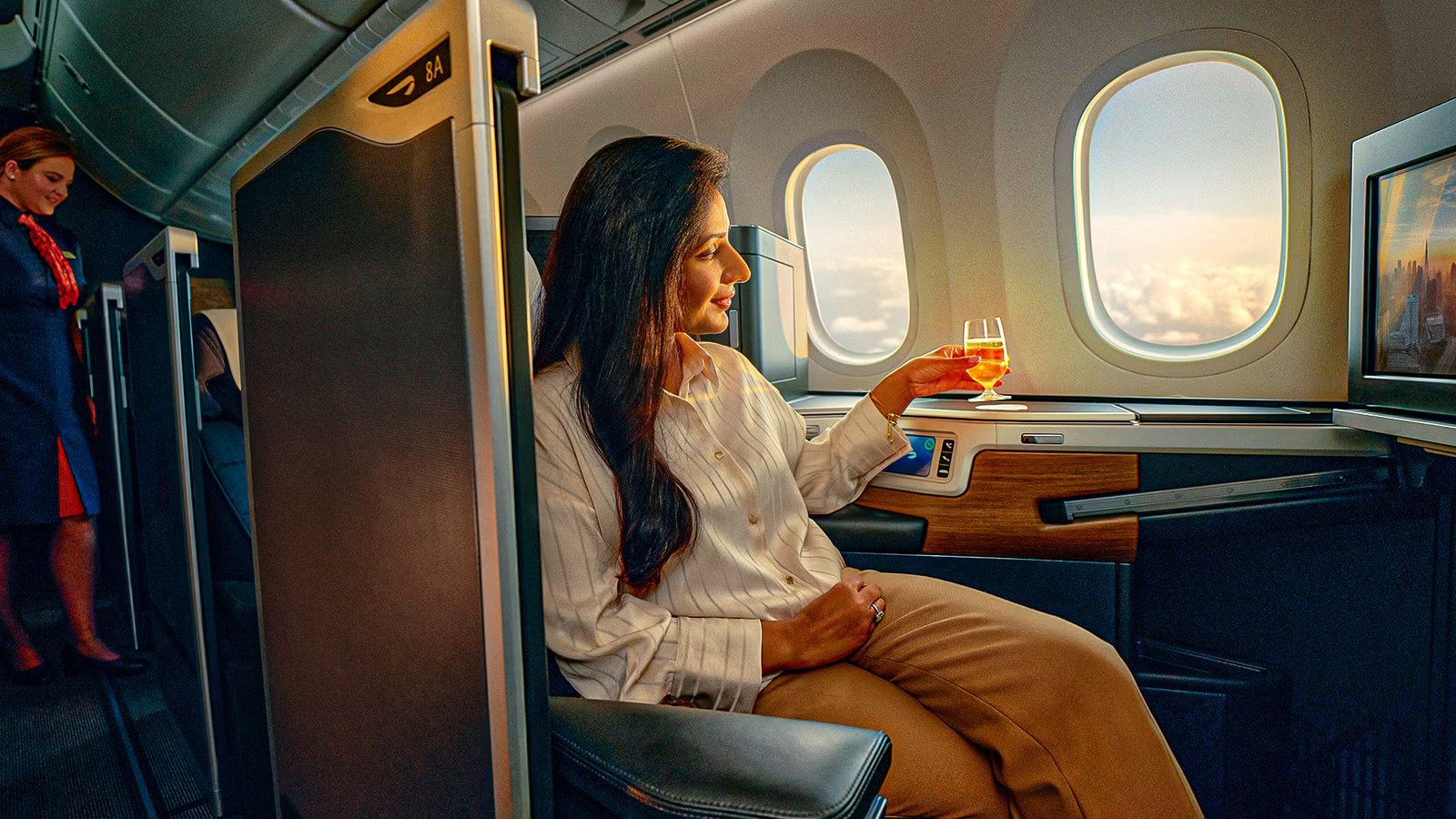
Modern commercial aviation is where industrial logistics are managed to the highest degree, operating two entirely distinct passenger processing systems within the same metallic hull. The visible difference between premium and standard travel is simply the physical width of the seat or the size of the digital entertainment screen. However, the true differentiation lies in a series of hidden operational workflows, pre-planned habits, and specialized terminal architectures.
Airlines expend significant engineering and psychological capital to ensure that these premium routines remain entirely seamless and out of sight. It is not intended to create a social divide, but rather to create an illusion of effortless travel where the stresses of security, boarding chaos, and baggage delays simply vanish.
The Silent Split
Multi-tier boarding and separated jetways

In major international hubs designed to accommodate the largest widebodies like the Airbus A380 or the upcoming Boeing 777X, airport authorities invest heavily in multi-tier gate infrastructure. At  San Francisco International Airport (SFO), millions of dollars were allocated to construct specialized gates featuring three separate jet bridges that connect to different levels of the aircraft simultaneously, a perfect example of this invisible separation and order.
When an international flight begins boarding, veteran premium travelers do not line up at the main gate terminal. Instead, they utilize a dedicated upper-level bridge or a separated corridor that channels them directly into the forward cabin without ever intersecting with the main passenger queue.
Carriers like Virgin Atlantic utilize this structural architecture to invite Upper Class passengers down an isolated walkway. This uses physical signage at the portal split to quietly direct premium economy and economy travelers toward a secondary boarding door farther down the aircraft.
In each example, architectural compartmentalization means that while a standard queue is forming in the concourse, the business class cabin is already a completely quiet, controlled environment. The structural design ensures that the high-volume movement of hundreds of passengers passing through the middle of the aircraft is entirely avoided. For anyone sitting in the forward rows, the boarding process is much less rushed and crowded, completely removed from the mechanical realities of a crowded departure gate.
Food Gone Digital
Pre-order systems and a range of culinary options
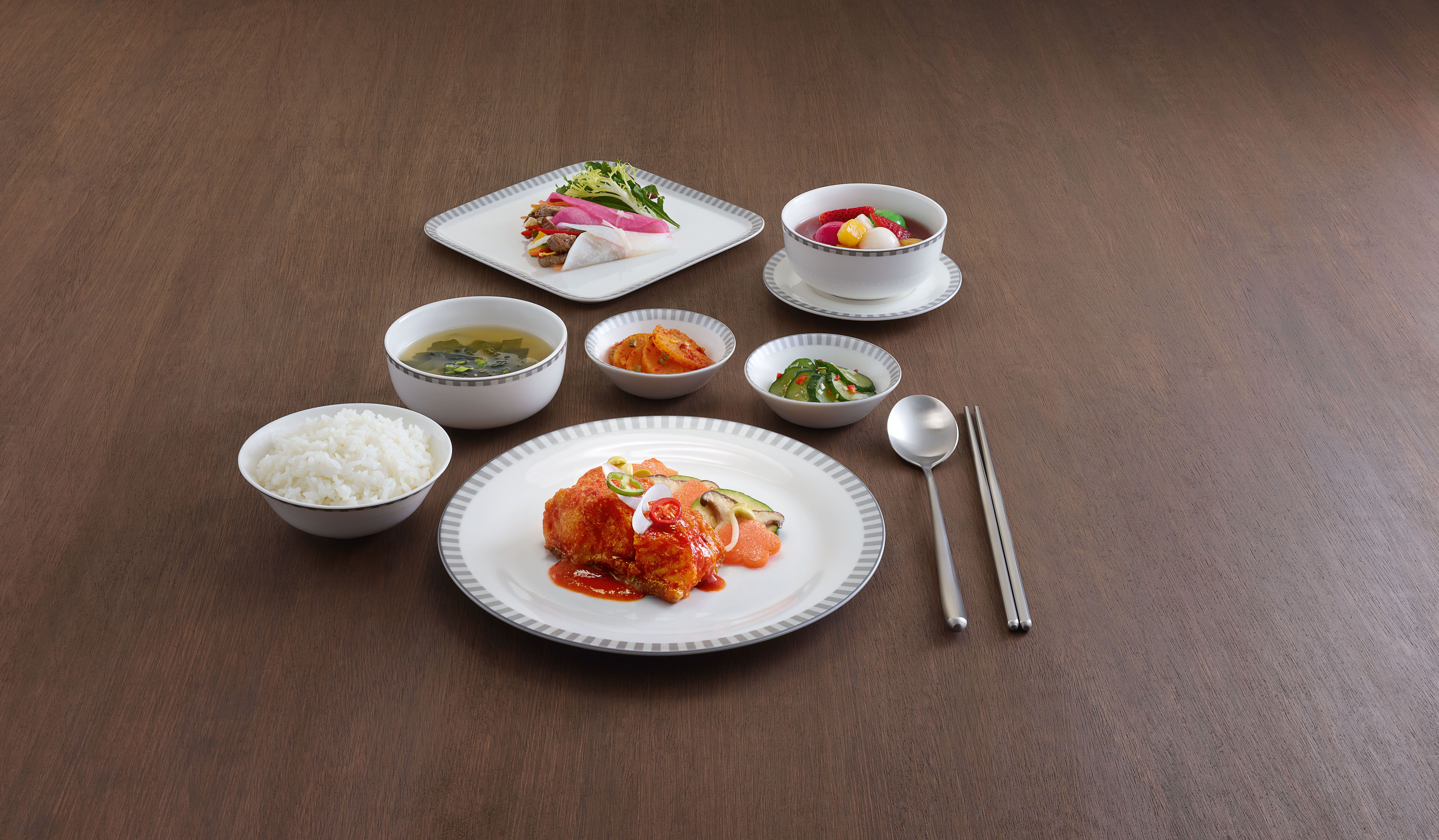
Passengers in the main cabin will normally select their meals from a standard trolley cart based on what remains available by the time the flight attendant reaches their row. Experienced business class travelers, on the other hand, tend to manage their nutrition well before arriving at the airport. A significant portion of premium travelers utilize advanced digital pre-ordering systems to customize their high-altitude dining experience weeks before departure.
This allows airlines to optimize their catering inventory while also providing an uncompromised level of culinary personalization. The most prominent example of this operational logic is  Singapore Airlines’ iconic ‘Book the Cook’ service. As documented by One Mile at a Time, this program grants business class passengers the ability to browse an extensive off-menu digital catalog up to six weeks before wheels-up.
Operational Parameter | Standard Cabin Meal Service | Premium Digital Pre-Order Program |
Menu Selection Window | Real-time choice from physical trolley | 24 hours to six weeks before departure |
Inventory Constraints | High risk of preferred option running out | Guaranteed choice allocated directly to seat |
Preparation Style | High-volume, standardized batch plating | Individually portioned, finished to order |
Available Options | Typically limited to 2 or 3 baseline dishes | Up to 30+ bespoke gourmet culinary choices |
Instead of choosing between a standard beef or pasta option on board, travelers can secure gourmet dishes or hyper-regional specialties prepared by the airline’s international culinary panel. The overall level of digital customization has expanded rapidly across global carriers, with  Emirates,
  Delta Air Lines, and
  American Airlines deploying similar pre-flight selection interfaces.
Pre-ordering not only elevates the passenger experience but also drastically reduces food waste on ultra-long-haul routes, where even minimal waste adds additional weight the aircraft could do without. Introducing a digital workflow to catering transforms the flight into a predictable, restaurant-quality dining experience, eliminating the limitations of standard airline catering.
Time To Get Comfy
Changing into loungewear after takeoff

On transoceanic flights extending past the 12-hour mark, seasoned business class passengers follow a specific behavioral ritual immediately upon reaching cruising altitude by completely changing their clothing. Traveling in business attire or restrictive casual wear is standard for terminal navigation, but sleeping for eight hours on a fully flat bed is far from comfortable with this kind of clothing.
It is a habit that proves vital for managing long-term fatigue across multiple time zones. To facilitate this transition, premium carriers provide specialized sleep kits that are not available in the main cabin. Airlines, including  Qatar Airways and
  United Airlines (across its international Polaris network), distribute complimentary, high-end pyjamas and slippers to their business class customers.
These garments are designed specifically for the unique, low-humidity atmospheric conditions of a pressurized cabin, utilizing breathable fabrics that regulate body temperature during deep sleep cycles. The act of changing into tailored loungewear alters the psychological state of the traveler, signaling the brain to transition into a rest cycle despite being thousands of feet in the air.
Combined with high-thread-count duvets, mattress pads, and plush pillows, this transformation turns a long-haul aircraft seat into an authentic bedroom environment. Because the wardrobe change occurs within the privacy of the premium restrooms shortly after the seatbelt sign is extinguished, it remains a quiet, functional routine that shapes the pacing of the entire flight.
An Experience Out Of The Seat
Onboard lounges and social spaces
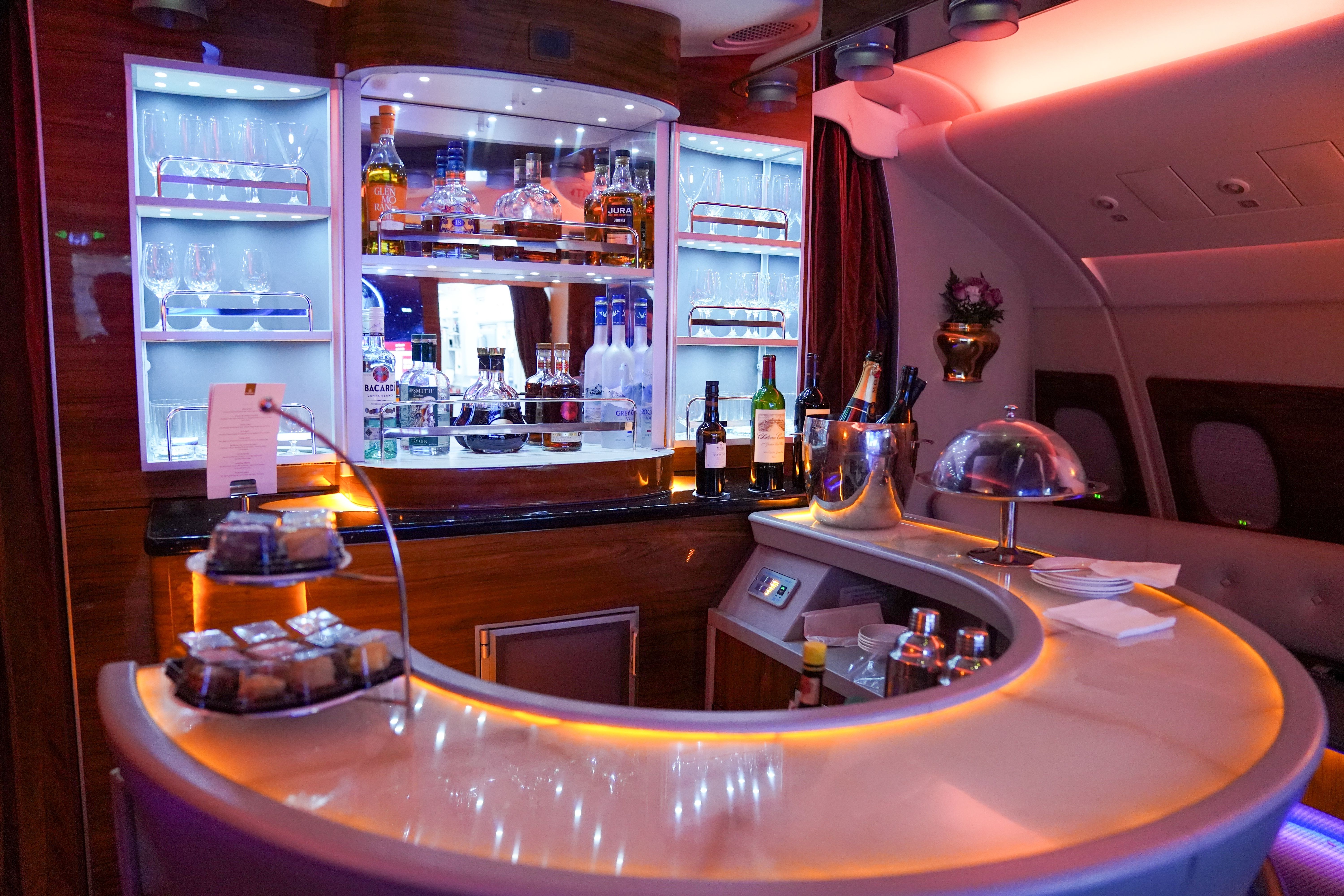
On ultra-long-haul routes, the physical confinement of a single seat, even one that transforms into a fully flat bed, can introduce a sense of monotony for many. To counter this, business class travelers utilize a hidden spatial asset that exists entirely separate from the main cabin seating rows: the onboard social lounge. Having a space like this transforms the flight from a sedentary experience into a dynamic environment where passengers can move freely.
It may not be a common sight on all airlines, but plenty offer such a space, so frequent business-class travelers often pick these carriers with that in mind. Carriers like Emirates, Qatar Airways, and Virgin Atlantic dedicate significant square footage in their premium zones to fully staffed bars and horseshoe-shaped lounges. Once the aircraft reaches its cruising altitude, these areas become active hubs where premium passengers can stand, stretch, socialize with colleagues, or work in a changing environment.
Aircraft Platform | Lounge Amenity | Operational Function |
Emirates A380 | Horseshoe Rear Bar | Fully staffed cocktail lounge with bench seating |
Qatar Airways A380 | Central Sanctuary Lounge | Executive workspace and premium snack hub |
Virgin Atlantic A350 | The Loft/The Booth | Intimate social space for drinks or meetings |
The space is continuously stocked with premium hors d’oeuvres, boutique wines, and sometimes even espresso machines, completely independent of the standard galley service. It is a space away from the typical seating that allows the premium seat to extend a little further, keeping the seat for personal space and having a separate space for socializing. A mid-flight ritual like this completely alters the pacing of a long-haul itinerary.
While standard travel requires a fixed position for the duration of the flight, business class passengers treat the aircraft as a multi-room environment. These lounges are positioned behind heavy soundproofing bulkheads and security curtains, and so this entire social ecosystem operates in complete isolation, allowing premium travelers to decompress and stretch their legs without ever disrupting the quiet atmosphere of the primary passenger cabins.
First Off The Belt
Priority baggage handling

The efficiency of a business class itinerary does not end when the aircraft lands; rather, the final phase of the journey relies on a specialized baggage-handling protocol known as priority tracking. When a premium passenger checks their luggage at the terminal desk, agents append a brightly colored ‘Priority’ tag to the handle. This tag acts as a critical visual cue for the ground handling crews loading the aircraft’s cargo containers.
Priority bags are systematically sorted and loaded into the aircraft’s cargo holds, ensuring they are positioned directly adjacent to the container doors. Upon arrival at the destination airport, this placement dictates that these specific bags are the very first to be unloaded onto the ramp tugs. They are rushed to the baggage carousel system, frequently appearing on the belts before the main body of passengers has even successfully cleared the immigration hall.
To complement this luggage velocity, major international gateways provide business class travelers with access to separate, fast-track immigration and customs lanes that are often completely hidden from the general public, with plenty of airlines like Singapore Airlines offering this kind of extra.
The combination of accelerated border processing and rapid baggage delivery rewrites the final chapter of travel. A business class traveler is frequently sitting in a taxi or airport train heading toward the city center while the vast majority of the passengers from their exact same flight are still standing around the baggage carousel, waiting for the first containers to open.
Catch what other trackers miss
Emergency squawks, holds, NOTAMs — live signals, no signup.
Open tracker
Catch what other trackers miss
Emergency squawks, holds, NOTAMs — live signals, no signup.
Open tracker