dailynewsnblog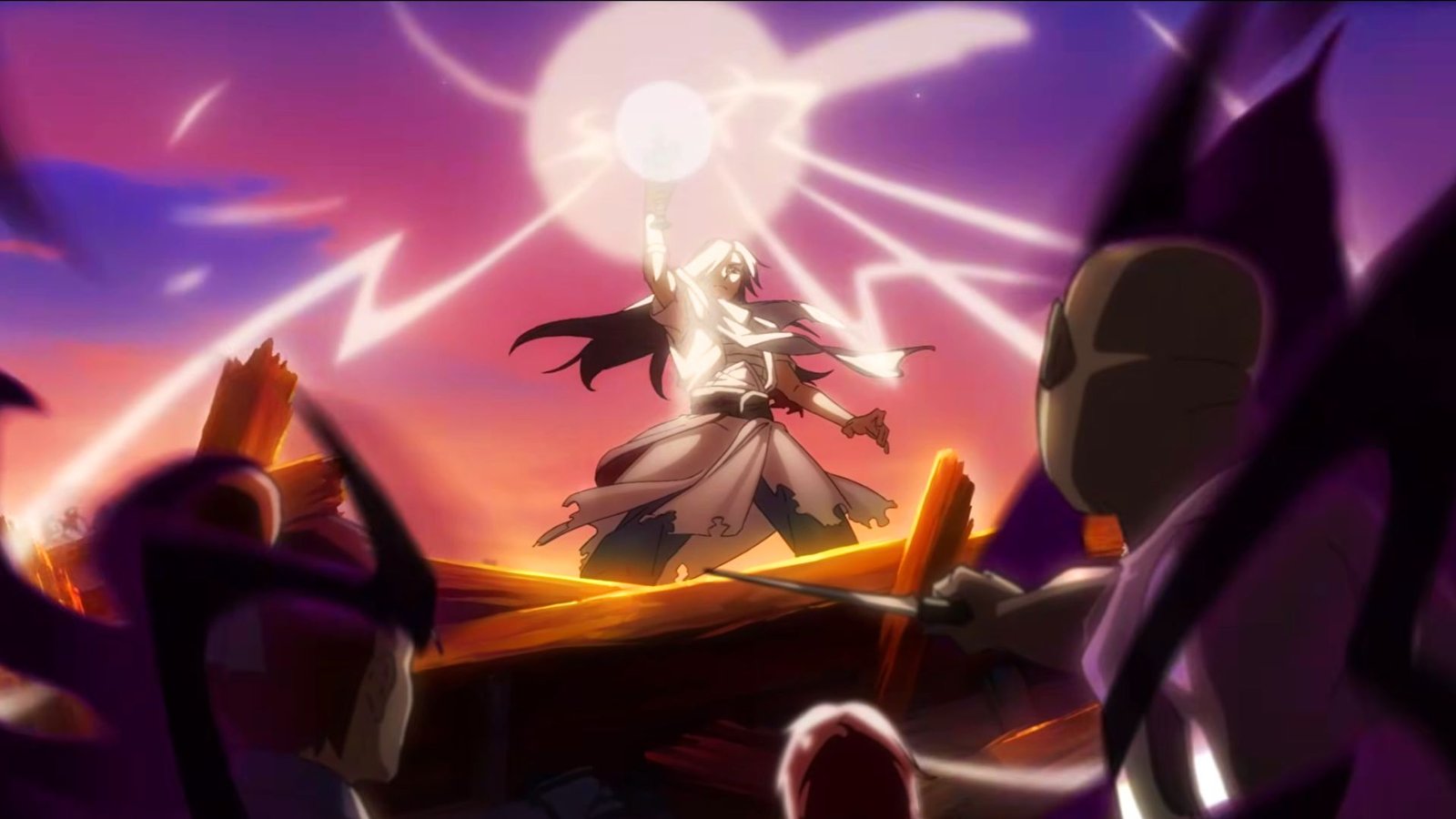
Before Black Myth: Wukong or Phantom Blade: Zero, there was The Scroll of Taiwu, a Chinese indie game that attracted millions of players since it debuted in early access on Steam in 2018. Now, eight years later, it has hit 1.0, marking the end of a long journey that started before Chinese-developed games became all the rage.
The Scroll of Taiwu isn’t an action game, and there’s nothing soulslike about it other than the trials you have to survive in its opening hours—especially if you’re not already invested in Chinese mythology. The game’s own publishing advisor, Leye “Yager” Yu, admits that “the first two hours of gameplay is kind of boring,” but says once people get hooked, they’re in for life.
Looking at the Steam page for The Scroll of Taiwu doesn’t quite do the game justice. Yager describes it as a mix of Crusader Kings 2, Kenshi, and Baldur’s Gate. You travel around an open world learning martial arts, meeting people, managing towns, and resolving conflicts that will affect the future. The simulation goes so deep that there is an entire community of players who share strategies and advice with each other in the Discord server.


Going big

Despite finding success with Chinese players, The Scroll of Taiwu’s lack of English localization made it tough for Western players to understand. Yager says the game has over 5 million words in its script, which made it almost impossible for devoted fans to translate in full. Its recent full release finally added English localization, and while it’s still a work-in-progress, Yager hopes it’ll open the door for more players to discover what’s appealing about its mix of Wuxia and Chinese mythology.
Part of the reason this was so important for the team at ConchShip Games to finally add was the rising interest Western players have for Chinese-developed games. Black Myth: Wukong’s explosive success and the recent flood of Chinese games on Steam is the kind of momentum The Scroll of Taiwu was able to draw upon, Yager says.
While the game hasn’t taken over the Steam charts, it’s joining a wave from China in showcasing the rich history and culture many of its developers imbue their work with, something Western players haven’t had access to in the same way they have for, say, Japanese games. Yager knows it’s going to be difficult to sell a game like The Scroll of Taiwu to people outside of China, but hopes to use its striking art and characters to reel people in.
Something special

Despite initially refusing to help publish the game due to how hard it was to pitch the overwhelming number of systems, Yager says he’s personally spent over 1,200 hours with the game. He believes in it—no matter how much he says he had to hold the development team back from delaying the release by adding more stuff. Yager says creator Zheng Jie is a “stubborn guy,” but “only a stubborn guy like him can make a game that unique, that contains that many mechanics, that much text, gameplay, and joy for players.”
Going forward, Yager wants to spread awareness about The Scroll of Taiwu through streamers and word-of-mouth. He knows it’ll take a while for English-speaking players to notice it, but is confident that it’ll happen with time. To prepare for that, the developers are busy fixing bugs and improving the English localization even now that it’s hit 1.0.
Yager, a huge fan of Wuxia, says if he could make his own game, it would probably be like The Scroll of Taiwu. He joined the community around the game eight years ago and is proud to be able to be there now helping the developers of a game he loves. “This game didn’t just inspire the indie game developers in China,” he says, “the game gives them the idea that if you do something really deep, if you do something really concentrated with indie games, you can have success.”