dailynewsnblog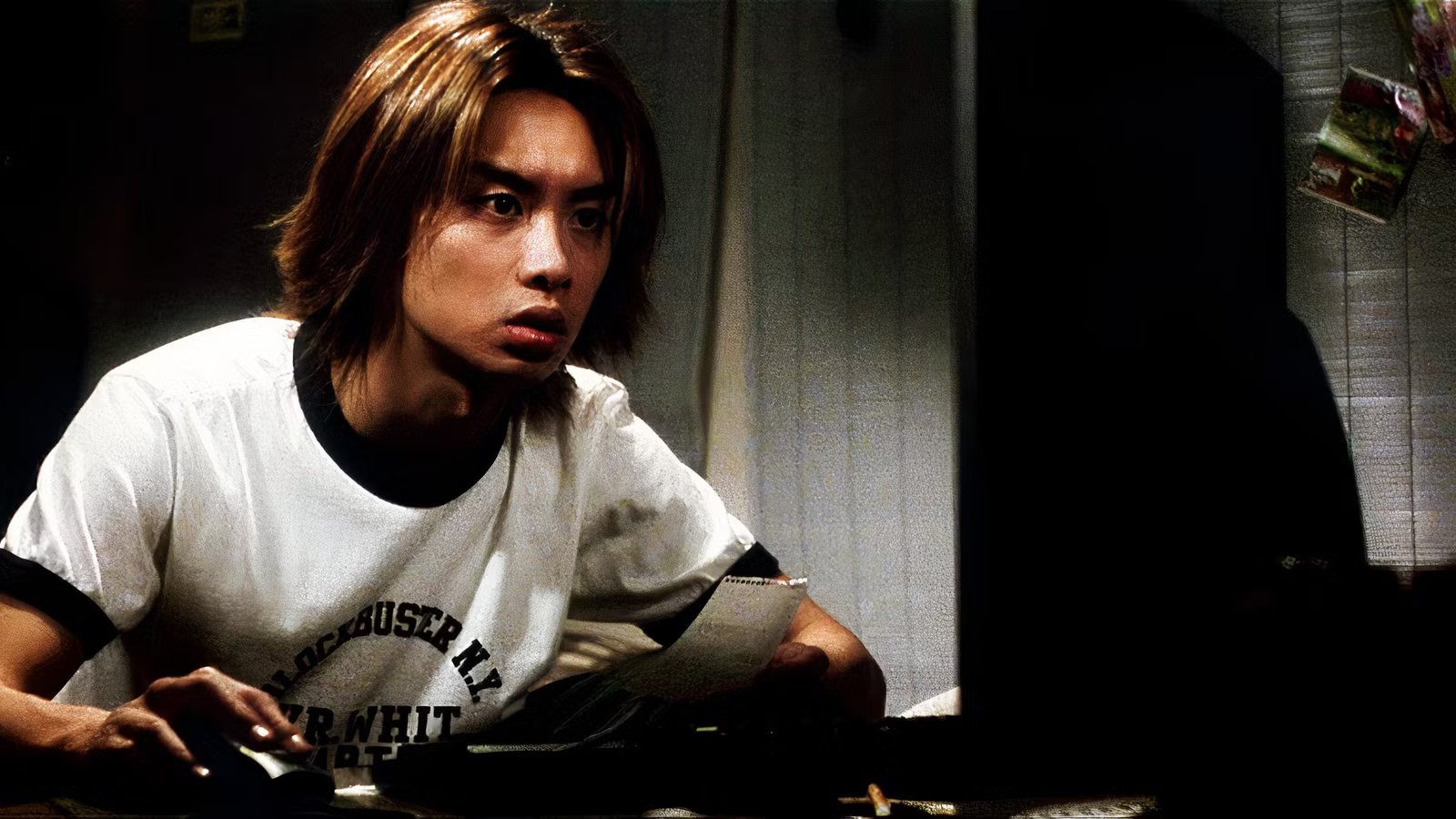
When most people think of Japanese horror, the same handful of films inevitably come to mind. Ringu forever changed the image of the modern ghost story, while Ju-On turned creaking houses and long-haired spirits into horror icons. Even films like Dark Water, Audition, and One Missed Call helped define an era of horror that Hollywood spent years trying (and often failing) to recreate. But one J-horror masterpiece still lingers today with a premise that’s surprisingly relevant 25 years after its debut.
Kiyoshi Kurosawa’s Pulse, which is streaming for free with ads on Philo, disguises itself at first as a ghost story before revealing something far stranger. The film follows several disconnected groups of young adults in Tokyo as spectral visitors begin appearing throughout the city. People start vanishing without explanation, leaving behind little more than dark stains on the walls and a growing sense that humanity is slowly fading away.
That premise might sound like just another entry in Japan’s early-2000s supernatural horror boom, but Kurosawa is chasing something entirely different. The entities in Pulse aren’t interested in elaborate scares or shocking deaths, but serve as manifestations of loneliness. Every haunting feels like another crack opening in society, exposing people already isolated long before the supernatural arrived.
Watching Pulse today is unsettling for entirely new reasons. Well before smartphones and endless algorithmic feeds became part of everyday life, Pulse imagined the internet as a space where human connection slowly dissolves instead of flourishes. Characters desperately reach out to one another through glowing computer screens only to become increasingly disconnected from the world around them. It’s a remarkably prescient vision that uncannily predicted the emotional side effects of the coming digital age.
It’s also impossible not to think about Death Stranding. While Hideo Kojima has never publicly cited Pulse as a direct influence on his game, the similarities are hard to ignore. Both stories revolve around an invisible catastrophe that leaves society fragmented into isolated survivors. Both imagine ghosts existing alongside everyday reality rather than erupting from it. Even the overwhelming mood — a world emptied of ordinary human interaction, where simply making a connection with another person becomes an act of hope — feels remarkably similar. Whether intentional or coincidental, Pulse and Death Stranding seem fascinated by many of the same anxieties surrounding isolation, technology, and the invisible threads connecting people.

Of course, none of those ideas would matter if the film wasn’t so well-crafted. Kurosawa has always excelled at finding terror inside ordinary spaces. Empty apartments, fluorescent-lit offices, cluttered computer rooms, and narrow hallways all become suffocating through careful framing alone. His camera rarely rushes toward the horror. Instead, it lingers just long enough for viewers to question whether they’ve actually seen something moving in the background.
Few horror films understand negative space quite like Pulse. Every empty room feels occupied by something impossible to describe, and every silence seems to stretch just a little longer than comfort allows. Rather than overwhelming audiences with jump scares or silly monsters, Kurosawa lets dread slowly seep into every frame until the world itself begins feeling fundamentally wrong.

One scene in particular remains hard to forget, but not because it’s scary. Often cited as the “ghost girl walking scene,” the sequence features lead Ryosuke Kawashima (Haruhiko Kato) investigating one of the apartments marked with ominous red tape, only to discover a lone woman standing impossibly still in the distance. She drifts forward with an imperceptible imbalance, as though gravity isn’t behaving properly. At one point she stumbles sideways in a way that seems accidental, yet it’s so controlled and unnatural, it’s deeply unsettling. Kurosawa never cuts rapidly or punctuates the moment with loud music, forcing the audience to sit with unbearable tension. It’s a masterclass in restraint, and would later inspire horror films like It Follows (2014), Howling Village (2019), The First Omen (2024), Obsession (2025), and Backrooms (2026) by similarly relying on extreme bouts of silence, negative space, and slow, deliberate character movements to generate dread.
That unsettling quiet in nearly every scene is also what makes Pulse an effective companion piece to Cure, arguably one of Kurosawa’s best films. While the 1997 noir mystery explores violence spreading through society almost like a psychological virus, Pulse imagines a form of loneliness becoming contagious. They’re wildly different horror films on the surface, but both reveal Kurosawa’s fascination with invisible forces quietly eroding the social fabric of everyday life. It’s no surprise that actor Koji Yakusho, best known for roles in 13 Assassins (2010), Babel (2006), and Shall We Dance? (1996), has spoken so fondly of collaborating with the director. Even when his roles are relatively restrained — Yakusho only appears in the final few shots of Pulse, yet delivers one of its most profound lines — Kurosawa creates an atmosphere where every performance feels like part of something much larger than the individual characters on screen.

Perhaps the greatest achievement Pulse can claim is how impossible it is to shake. Plenty of horror movies lose their power once the credits roll, but Kurosawa’s masterpiece only seems to grow stronger. The ghosts and pseudo-paranormal elements linger less because they’re frightening and more because they embody fears that feel increasingly difficult to escape, especially in a post-pandemic, social media-fueled present.
More than two decades later, Pulse is still that spark of J-horror ingenuity that can never be replaced. The world it imagines — a network of rooms filled with people who are technically alive but no longer reachable — doesn’t feel distant anymore, but almost familiar. It sticks with you not because the film is warning about what might come next, but because it suggests that whatever it’s imagining may already have quietly arrived, without announcing itself as horror at all.
Watch Pulse free on Philo or The Internet Archive