dailynewsnblog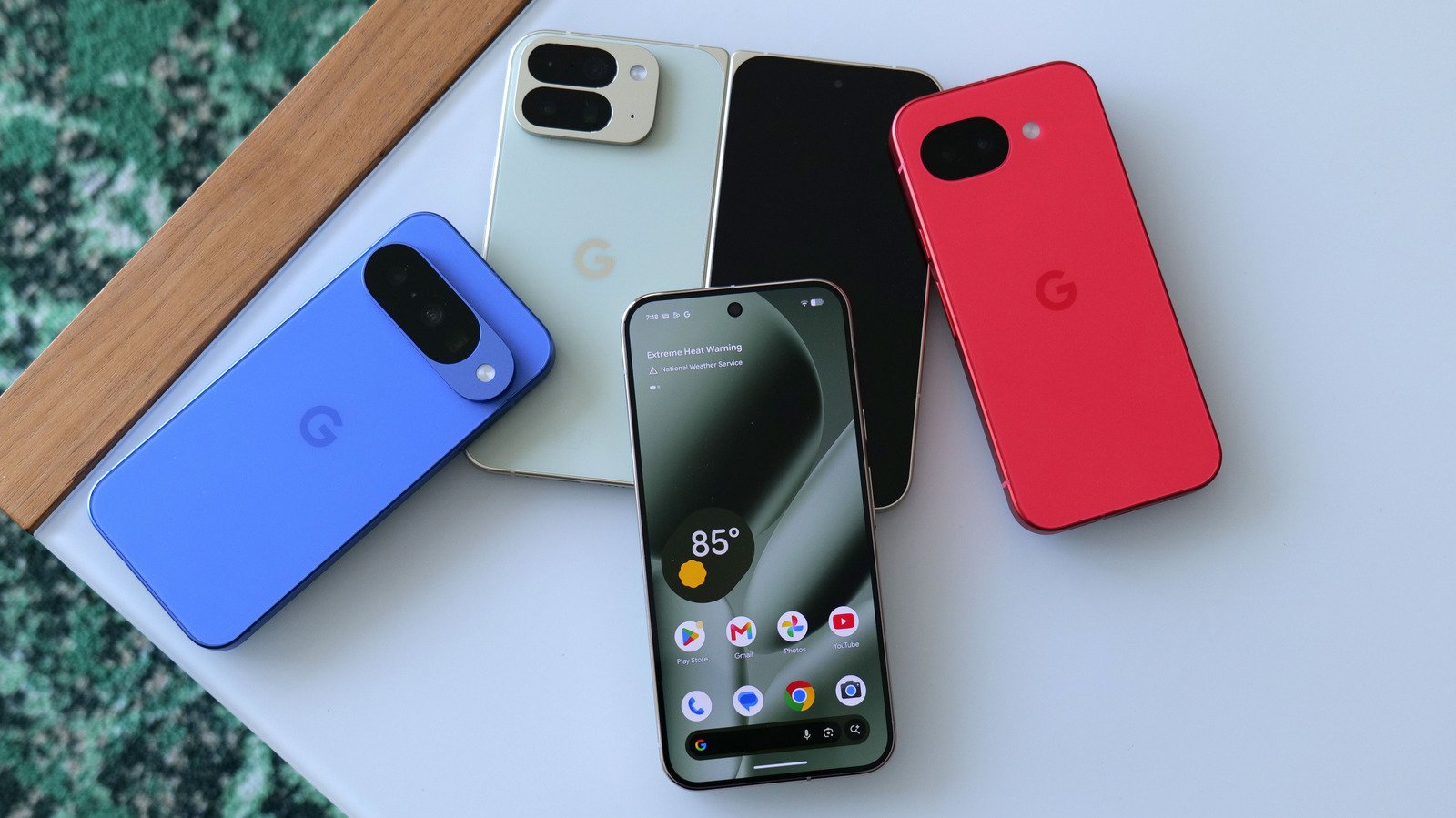
Google is one of the largest smartphone manufacturers in the world, so it probably shouldn’t come as a surprise that Pixel handsets are sold in a number of regions outside the US. However, like all good device makers, Google tweaks its products based on where they are sold in order to conform to local regulations and customer preferences. Different countries have different languages, power sockets and networks, for instance. So for those curious about what’s different between Pixels sold here in America and those available abroad, here is a quick rundown of some of the most notable tweaks and changes between US models and their international variants.
Hardware
Unlike Samsung phones which often vary between featuring Snapdragon or Exynos chips depending on where they are sold, the differences between US and international Pixels are relatively minor, especially when you’re looking at the past several generations of products. The majority of recent international Pixel phones feature the same Tensor chips, memory and storage as US versions, along with identical camera sensors, display tech and charging capabilities. On the base Pixel 10, this includes a Tensor G5 processor, 12GB of RAM, 128GB or 256GB of storage, a 6.3-inch Actua OLED display and a rear camera module with a 48MP main, a 12MP ultra-wide and 10.8MP telephoto sensors. The physical design of Pixel handsets across various regions is also largely unchanged, right down to the materials used and color options.
The one small hardware discrepancy on Google’s most recent generation of phone is that while the Pixel 10, Pixel 10 Pro and Pixel 10 Pro XL are all eSIM-only in the US, international models still support a physical Nano SIM slot along with eSIM functionality. Google says this change was made due to the ease of use and widespread support for eSIMs among American carriers in addition to being able to use the space that would normally be occupied by a physical SIM card for components needed to support mmWave 5G. The outlier to this is that all versions of the Pixel 10 Pro Fold (both in the US and abroad) offer physical Nano SIMs trays.
Software
 Sam Rutherford for Engadget
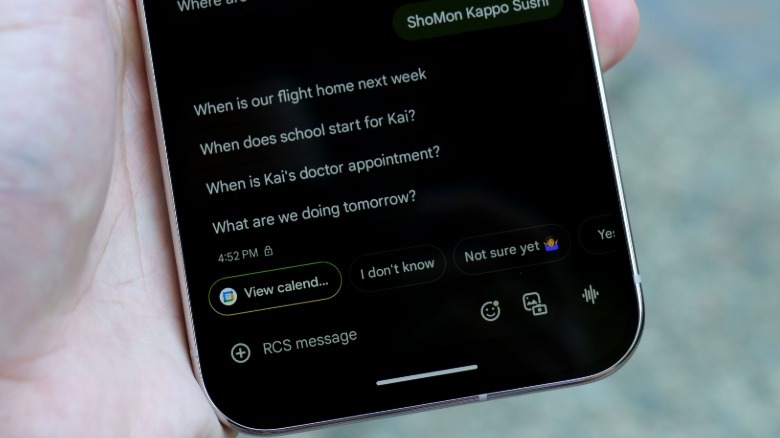
Similar to hardware, there aren’t a ton of differences between the software on US Pixels and international variants. That is, with a caveat that as Google’s phones are available in more than 30 countries and support over a dozen languages, it can take extra time to localize features for specific markets. Often, brand new tools and apps will be available first in English in North America while Google works to ensure regulatory compliance and general usability in other languages and locales. One example of this is Magic Cue, which uses AI to surface important information like addresses and calendar appointments in messages based on context. Currently, the feature is available in a handful of countries including the US, Canada, India, the UK, Japan and others while Google works on enabling the feature in additional markets.
Cellular support
Perhaps the biggest difference between US Pixels and international models is cellular compatibility. On one hand, this may be somewhat obvious as carrier support varies greatly from country to country, but it’s still something that’s really important to consider, especially if you’re traveling or moving from one place to another. After all, a phone without a useful internet connection and the ability to make calls will be severely limited in its capabilities.
Furthermore, the type of cellular coverage can vary quite a bit from region to region. In the US, carriers like Verizon have invested much more heavily in mmWave 5G than many international providers. This type of 5G connectivity offers very high upload and download speeds with the trade-off being shorter range and penetration compared to mid-band and sub-6Ghz frequencies. So in an effort to keep costs down and ensure optimal performance, many phones sold internationally, including recent Pixels, don’t support mmWave 5G. The US also has stricter testing and vetting requirements for phones sold through carriers than many other countries, which is another reason why a lot of Chinese phones are not officially on sale here.
Generally, there is quite a bit of parity between Pixel phones sold in the US and those available overseas. If you are planning to move and you’re wondering about where you should buy your next phone, it’s often easiest to purchase it in the country or region you will be living in. But aside from that, particularly when it comes to hardware, there aren’t a ton of differences between US Pixels and international models.