dailynewsnblog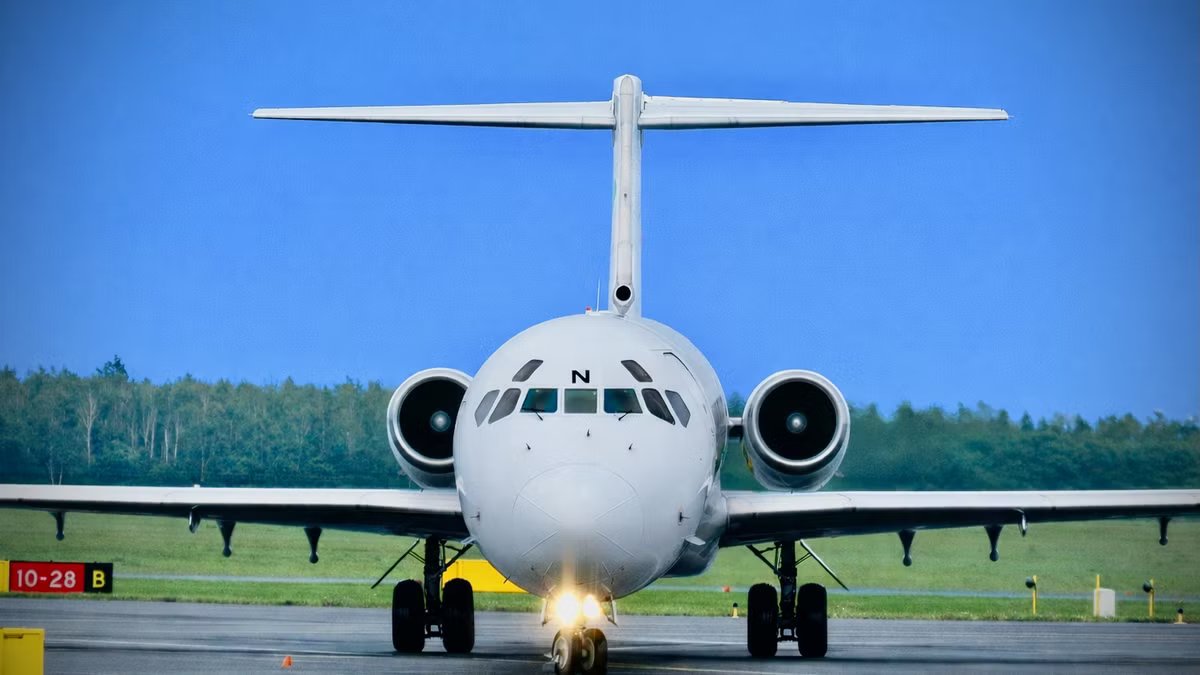
The McDonnell Douglas MD-80 was the last American-built aircraft to feature an analog cockpit. The aircraft entered commercial service with Swissair in October 1980, and became a mainstay of short-haul aviation across the world. The US-based manufacturer went on to build a total of 1,191 MD-80s, several of which are still in service today.
While analog cockpits were the norm in the early days of aviation, more modern aircraft boast many digital instruments that support their operation. In this article, we will explore the McDonnell Douglas MD-80’s analog cockpit, the features that make it unique, and what the aircraft’s legacy has been on commercial aviation in the US and beyond. We will also take a broader look at the history of the MD-80 and ascertain which airlines still operate the aircraft.
Features Of An Analog Cockpit

Like many analog cockpits from the late 1970s and early 1980s, the McDonnell Douglas MD-80’s analog cockpit is made up of five primary analog gauges. These help the pilots to understand the aircraft’s performance on the ground and in the air. The gauges measure:
- Airspeed
- Altitude
- Vertical speed
- Heading
- Coordination.
As the name suggests, analog cockpits do not generally feature digital displays, and often lack the advanced flight management systems found onboard today’s modern aircraft, such as the Boeing 737, Airbus A320, and Airbus A350.
Instead, they feature many mechanical switches and knobs, offering the pilots direct and tangible control over the aircraft. By contrast, many modern aircraft are operated by fly-by-wire technology, with control of the aircraft taking place through a series of buttons and electrical signals, rather than physical controls.
The Cockpit Layout And The Flying Experience For Pilots

The McDonnell Douglas MD-80’s analog cockpit is laid out with a main instrument panel located between the two pilots. This instrument panel features some of the main essential flight control instruments. In the cockpit’s overhead panels, pilots can find the switches needed to alter the aircraft’s fuel, hydraulics, air bleed, and anti-icing mechanisms, among others.
The cockpit also features a center pedestal, where the aircraft’s thrust levers and autopilot controls are found, in addition to side panels that contain some of the electrical equipment, such as circuit breakers and lighting controls.
Pilots generally fly an aircraft using a mix of manual flying, automated systems, and situational decision-making. Flying a modern aircraft is as much about systems management and decision-making as it is about hands-on control.
Pilots often say that they prefer flying in an analog cockpit, particularly those who favor old-school flying and like to have a more tactile and tangible flying experience. The McDonnell Douglas MD-80 certainly offers this kind of experience, and it is a favorite aircraft among many pilots.
However, an analog cockpit does not come without its drawbacks, and generally generates a much increased workload for the pilots with greater monitoring and checklist discipline required. For younger pilots more used to modern technology in their everyday lives, it can be quite daunting to be faced with multiple machines, switches, and dials instead of digital screens and buttons.
About The McDonnell Douglas MD-80

The idea for the McDonnell Douglas MD-80, a stretched version of the DC-9-80, was originally conceived in 1977. The aircraft was certified in August 1980 and entered commercial service a few months later with Swissair. The Swiss national carrier went on to operate a total of 29 MD-80s over the years.
The McDonnell Douglas MD-80 has been involved in a total of 90 major incidents, including 47 hull losses, resulting in more than 1,400 fatalities. Among the most notorious incidents involving an MD-80 are:
- Northwest Airlines Flight 255 – the McDonnell Douglas MD-80 crashed shortly after take-off from Detroit Metropolitan Wayne County Airport (DTW) in August 1987, killing all but one of the 155 passengers and crew members onboard and two on the ground.
- One-Two-GO Airlines Flight 269 – the McDonnell Douglas MD-80 crashed while landing at Phuket International Airport (HKT) during bad weather in September 2007, killing 90 of the 130 passengers and crew members onboard.
- Spanair Flight 5022 – the McDonnell Douglas MD-80 crashed in August 2008 while taking off from Madrid Barajas Airport (MAD), bound for Las Palmas Airport (LPA) in Gran Canaria. In total, 154 of the 172 passengers and crew members onboard were killed in the incident.
The World’s Largest Operators Of The McDonnell Douglas MD-80

In total, McDonnell Douglas built almost 1,200 MD-80s before production ended in 1999. By far the world’s largest operator of the MD-80 was American Airlines, with a staggering 391 of the aircraft in its fleet. The largest historical operators of the aircraft and the different variants they flew are outlined in the table below:
Airline | McDonnell Douglas MD-81 | McDonnell Douglas MD-82 | McDonnell Douglas MD-83 | McDonnell Douglas MD-87 | McDonnell Douglas MD-88 | Total |
|---|---|---|---|---|---|---|
American Airlines | 8 | 270 | 108 | 5 | – | 391 |
Delta Air Lines | – | 22 | 8 | 1 | 120 | 151 |
Trans World Airlines | 8 | 39 | 65 | – | – | 112 |
Alitalia | – | 90 | – | – | – | 90 |
Scandinavian Airlines | 11 | 47 | 3 | 21 | – | 82 |
Allegiant Air | 13 | 2 | 49 | 4 | 6 | 74 |
Continental Airlines | 5 | 61 | 4 | – | – | 70 |
Spanair | 3 | 16 | 27 | 18 | – | 64 |
Aeromexico | 16 | 18 | 9 | 16 | 10 | 53 |
Alaska Airlines | – | 13 | 35 | – | – | 48 |
Delta Air Lines was one of the last commercial carriers to retire its fleet of aging McDonnell Douglas MD-80s when it removed them from service in 2020 at the height of the pandemic. Allegiant Air had also operated a sizeable fleet of MD-80s until they were retired a couple of years earlier in 2018.
Today, there are more than 100 McDonnell Douglas MD-80s still in active service around the world. The largest passenger operator is Venezuela’s LASER Airlines, with nine MD-80s still deployed on routes across the Americas. Meanwhile, the largest cargo operator is Aeronaves TSM, based in Mexico, which has a total of 15 MD-80s in its fleet.

7 World Airlines That Still Operate MD-80 Planes
While the type is a rarity nowadays, you can still fly on it if you know where to look.
Modern-Day Aircraft Cockpits

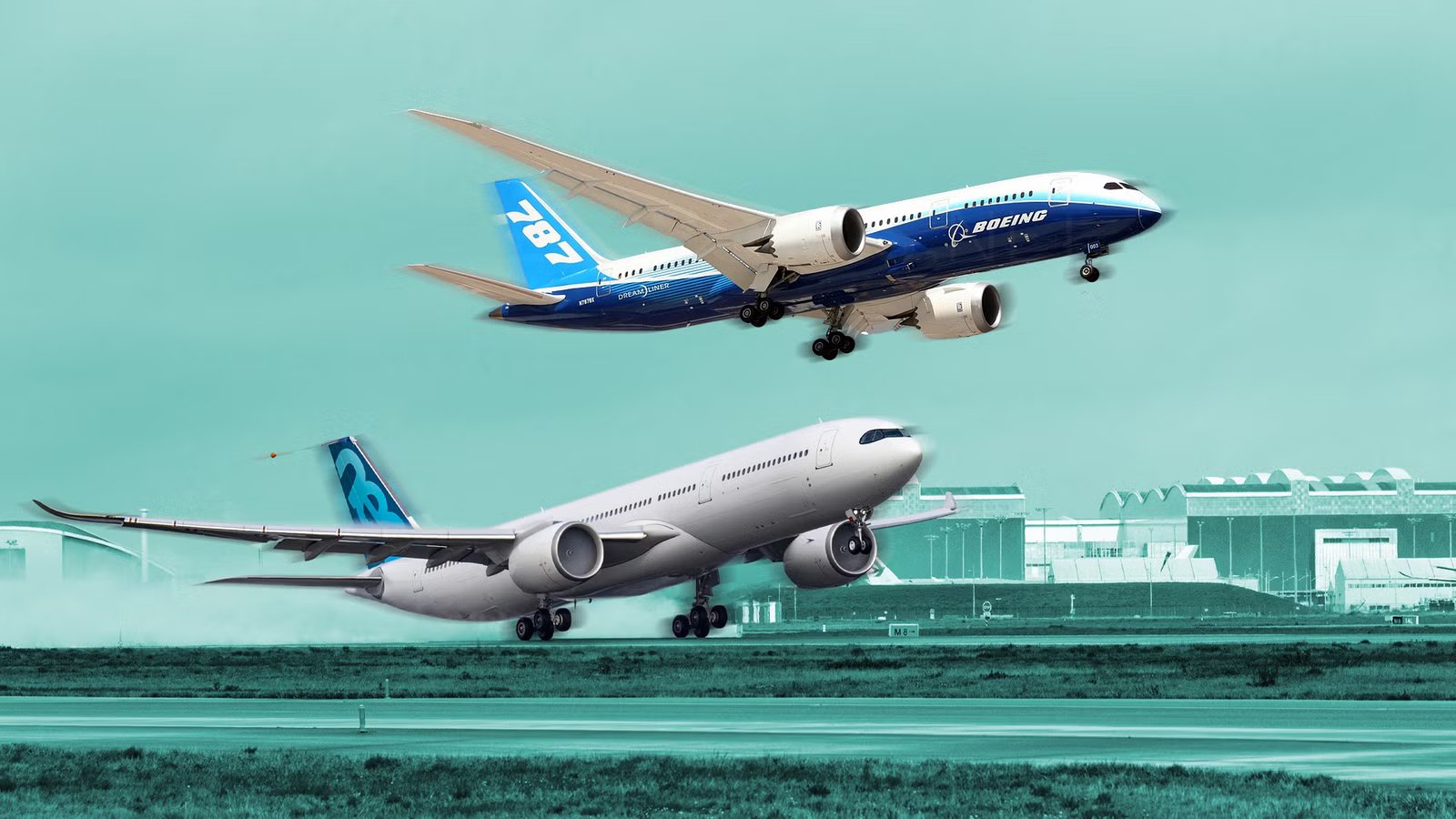
Modern-day aircraft cockpits are completely different from their older analog equivalents. Aircraft such as the Boeing 787 and Airbus A350 feature cockpits that are designed with the latest technology and heightened pilot comfort in mind. The so-called glass cockpits feature all-digital flight instruments, with large LCD displays – for example, the Boeing 787 has four large displays while the Airbus A350 has six.
Fly-by-wire controls are also the norm on modern aircraft, whereby control inputs are sent via electronic signals instead of mechanical cables. Airbus cockpits feature side-stick controls, while Boeing cockpits have a traditional yoke, with fly-by-wire underneath.
The McDonnell Douglas MD-80 is one of the few remaining commercial aircraft to still feature an analog cockpit. This offers pilots an old-school experience, with many switches, levers, and pulleys that need to be operated in order to fly the aircraft, and is a stark contrast to the cockpits found on more modern aircraft such as the Boeing 787 and Airbus A350.
The McDonnell Douglas MD-80’s analog cockpit features switches and dials used to control all aspects of the aircraft, as well as providing the pilots with a visual measure of the aircraft’s performance, such as airspeed, altitude, vertical speed, heading, and coordination.