dailynewsnblog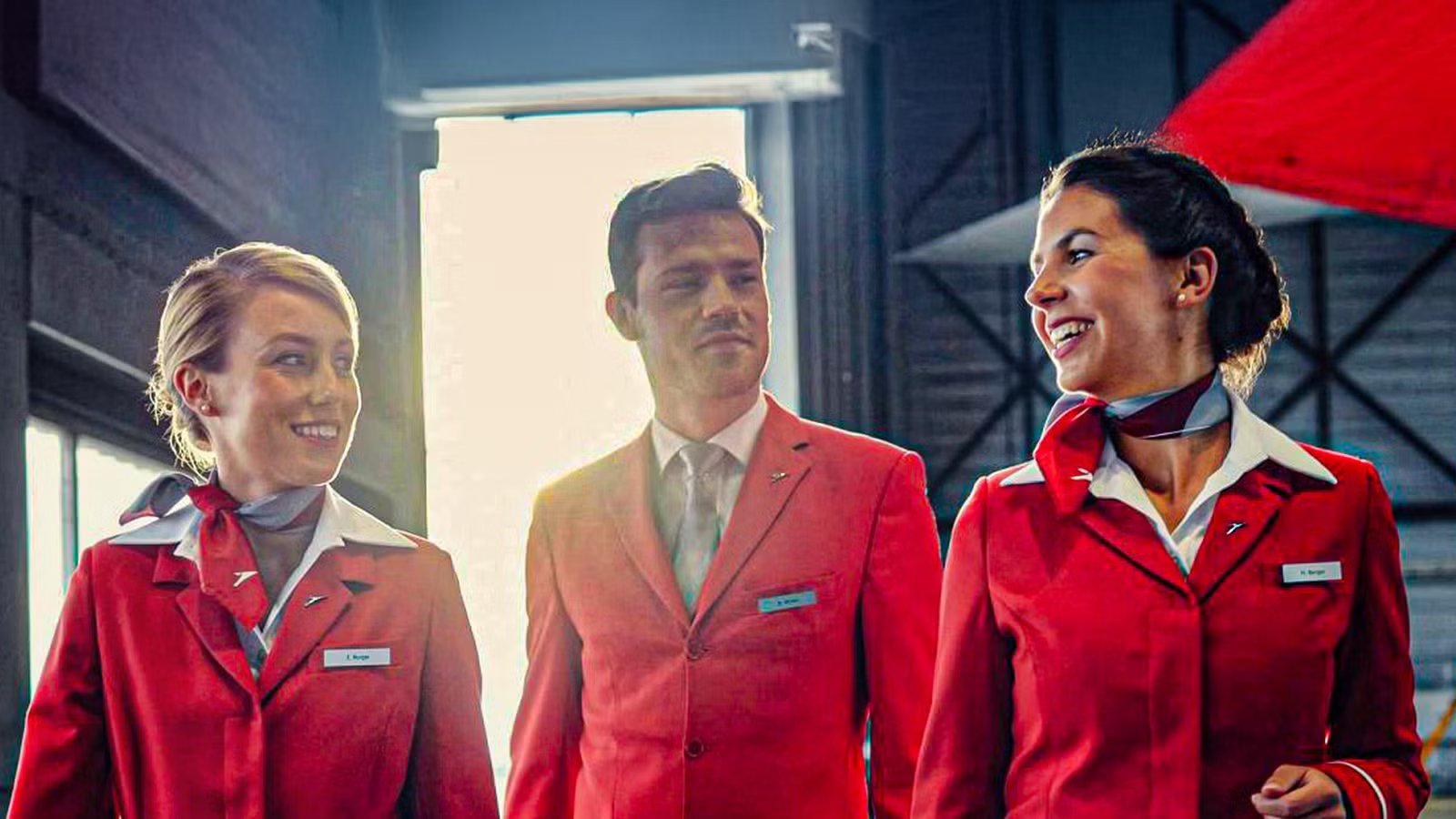
These days, Cabin Crew are often faced with two distinct passenger crises at the same time: travelers who become hostile when confined or delayed and those who panic during minor disruptions and turbulence. The Federal Aviation Administration (FAA) has thoroughly documented disruptive passenger incidents, and rates have dropped by around 80% since 2021, when incidents were at a record high. However, they have also noted that disruptive passengers are an ongoing problem.
Cabin crew receive 160+ hours of safety and emergency procedures training prior to their first flight. This includes de-escalation training, and airlines have responded by extending it to address passengers who become hostile or panic. This dual demand means that cabin crew have to switch between crisis management and emotional support numerous times on every flight, intensifying emotional labor and reshaping workload and training in the process, post-pandemic.
While we often see in the media ‘passengers behaving badly’, we don’t see the psychological toll of dealing with both hostile and panicking passengers at the same time, often in the same cabin row.
The Challenges

Cabin crew face significant mental challenges and emotional exhaustion from constantly having to manage passenger expectations as well as following strict Safety protocols. They are trained service professionals as well as customer service ambassadors, crisis managers, and medical first responders, according to Metaintro. They now complete over 160 hours of safety training compared to just 40 hours back in the 1980s. They are certified in CPR, first aid, firefighting, and emergency evacuation procedures.
Daily challenges for cabin crew include passenger behavior, air rage incidents, entitled behavior, and cultural misunderstandings. Medical emergencies and emergency evacuations are stressful to deal with, but thankfully not frequent. Cabin crew have to know what to do without hesitation when they do occur, and lives depend on it. Working in the aircraft cabin can be routine but also involves physical burden, such as pulling heavy carts at altitude, opening heavy aircraft doors, and lifting baggage and equipment. Working in a pressurized cabin at altitude presents unique challenges.
Cabin crew must maintain situational awareness at all times, demonstrate emotional intelligence, and read the cabin. Air rage and unruly passenger incidents are on the rise and have to be dealt with quickly, but they can also create a sense of panic in the cabin, as can anxious passengers during turbulence. These kinds of events can cause chaos in the cabin if the crew does not take charge of the situation immediately.
Simple Flying Quiz
What Aircraft Type Are You?
Five questions. One aircraft. Find out which plane best matches your personality.
Question 1 of 5
How do you prefer to travel?
Question 2 of 5
What’s your ideal weekend away?
Question 3 of 5
How do you handle a busy schedule?
Question 4 of 5
What matters most to you on a long trip?
Question 5 of 5
How do others describe you?
Your Result
The Explorer
Cessna 172
You value freedom, simplicity, and the joy of the journey itself. You’re happiest when you’re in control, taking life at your own pace and discovering the world one small airfield at a time. No crowds, no queues — just sky.
Your Result
The Workhorse
Boeing 737
Reliable, efficient, and always in demand. You get the job done without fuss, keeping things moving for everyone around you. You’re the backbone of any operation — proven, dependable, and trusted the world over.
Your Result
The Icon
Airbus A380
You think big. More space, more comfort, more presence — you believe in doing things properly and on a grand scale. When you walk into a room, people notice. You’re built for the long haul, and you do it in style.
Your Result
The Pioneer
Concorde
Speed, ambition, and a refusal to accept limits define you. Every second counts, and you’d rather break the sound barrier than wait in line. You were ahead of your time — bold, brilliant, and utterly unforgettable.
The Airlines’ Response

In response to rising passenger issues, Airlines have been forced to respond by increasing de-escalation training, which gives cabin crew more authority to handle those who are disruptive. It is important for cabin crew to recognize warning signs, take proactive measures, and manage in-flight conflict with professionalism and care. Reports from airlines and regulatory authorities highlight recurring behavior that may include excessive alcohol consumption, ignoring basic instructions, agitation, or anxiety.
Many airlines have implemented training focused on identifying issues, such as behavior, early and preventing them. This starts when passengers board, and cabin crew carefully observe passengers for any warning signs, such as anxiety, anger, intoxication, or entitled behavior. Passengers can be denied boarding if they appear to be intoxicated or have anger management issues. Anxious passengers should be reassured by the cabin crew, who should set a positive tone for the flight. Cabin crew should remain situationally aware during the flight to act on any developing tensions caused by anger or anxiety.
Some airlines already train their crew in things like restraint training, self-defense, and de-escalation techniques, but this needs to change as we see trends in passenger behavior. Post-incident support and debriefing have improved and allow cabin crew to process what can be a distressing incident. All incidents should be well-documented and reported. This allows for legal follow-up, ensuring that cabin crew are protected, and the passenger is held responsible.
The Rise Of The Unruly Passenger

Unruly passenger incidents have increased rapidly since 2021, when incidents were at their highest. However, the FAA has acknowledged that it is an ongoing problem, although numbers have dropped significantly since its peak in 2021. Just in March 2021 alone, there were 720 incidents reported to the FAA. Such incidents have included violence against the crew and other passengers, verbal abuse, harassment, smoking, and not following safety or health instructions. Interfering with the duties of a crew member is also a violation of federal law.
According to the International Air Transport Association (IATA), more than 53,500 disruptive passenger incidents were reported globally in 2024, averaging one incident every 395 flights. Non-compliance with crew instructions was the most common descriptor. The data from IATA also shows that verbal and physical abuse have increased since 2023. Although most flights operate without issue, the rise in verbal abuse, intimidation, and physical altercations is impacting both safety and morale in the skies, according to a report from Embry-Riddle Aeronautical University.
Unruly passenger behavior is a real and growing threat to in-flight safety and crew well-being. Early detection, proactive communication, and confident de-escalation are all key to managing such situations effectively and minimizing impact. Preparation, teamwork, and professionalism are crucial to a safe and efficient flight for both the flight crew and the cabin crew.
Zero Tolerance Policy

The FAA launched a zero-tolerance policy for unruly behavior and states that ‘Dangerous Behavior Doesn’t Fly’. They acknowledged that it was an issue that needed to be addressed and that incidents where passengers have disrupted flights with violent or threatening behavior were an ongoing problem.
The FAA policy includes large fines of up to $43,658 per violation, and a single incident can include multiple fines. Unruly passengers can also face felony convictions, jail time, and being placed on no-fly lists. The FAA has the authority to fine passengers individually, but cannot prosecute them. However, passengers who engage in unruly behavior can still be prosecuted on criminal charges.
Number of incidents of unruly passengers reported to the FAA:
|
2020 |
1,009 |
+ 13% |
|
2021 |
5,973 |
+ 492% |
|
2022 |
2,453 |
– 59% |
|
2023 |
2,074 |
– 15% |
|
2024 |
2,096 |
+ 1% |
|
2025 |
1,621 |
– 23% |
|
2026 |
608 |
as of May 17, 2026 |
Data: FAA
The FAA’s database only includes incidents reported to the FAA, and reporting is at the discretion of the crew member. FAA regulations also prohibit airlines from allowing intoxicated passengers to board the aircraft and prohibit passengers from consuming any alcohol onboard the aircraft that is not served by the flight attendant. A flight attendant or cabin crew member can refuse to serve a passenger alcohol if they are already intoxicated, and can confiscate any alcohol that has been consumed onboard, which they have not served.

2024 Saw A Rise In Unruly Passenger Incidents
Last year, airlines were forced to contend with more unruly passengers.
Emotional Labor

The physical and mental demands of being cabin crew are numerous and often compound each other. Physically, jet lag can be a problem when crossing numerous time zones, and this affects sleep and energy levels. Working in a pressurized cabin can be tough, especially when working numerous flights in just one day. Dehydration is a big issue, and cabin crew have to rehydrate as often as possible. Lifting heavy baggage and atlas boxes, pulling heavy carts, and standing for long hours can take its toll on the body.
Mental challenges include dealing with difficult passengers, anxious passengers, or drunk or unruly passengers. Cabin crew are often away from home and isolated, away from their support systems. This can lead to strained personal relations and family life. They are also responsible for passenger safety in a crisis and events such as medical emergencies and evacuations, so they carry that burden. Repetitive tasks can also be an issue in such a safety-focused environment, which can also be dynamic and rapidly changing.
The impact of in-flight incidents can last for a crew member. A 2021 survey by the Association of Flight Attendants found that 85% had encountered unruly passenger behavior within a year, and nearly one in five involved physical aggression. The term ’emotional labor’ in the airline industry refers to cabin crew having to remain confident, calm, and authentic in stressful situations, given their constant interactions with passengers in a confined space. It can lead to work burnout and emotional exhaustion.
In Conclusion

Cabin crew training ensures that the scenarios mirror real-world conditions, including the stress and split-second decision-making that emergency situations demand. Most airlines offer some form of training in dealing with difficult passengers, observing behavioral cues, and de-escalating tensions. This may include restraint training and self-defense as a last resort. De-escalation techniques include the LEAP model: Listen, Empathize, Ask, Paraphrase. Body language should be open, a calm tone set, and boundaries set.
When dealing with such issues, cabin crew have to be part safety officer, part counselor, and require professionalism and emotional control. Continual communication among the flight team ensures a unified, calm, and confident approach to emerging situations. Some airlines have designated ‘calm zones’ where passengers who are hostile or panicked can be removed from the cabin temporarily, to ease tension and prevent panic.
As passenger behavior changes and incidents increase due to hostile or panicked behavior, cabin crew training must adapt to the situation. Passengers who cause issues and pose a threat to safety in the cabin, should be held accountable and fined or prosecuted. The crew should feel protected by the airline and be offered post-incident support. Airlines should also be aware of the emotional labor involved in the work of cabin crew and how they can be supported.