dailynewsnblog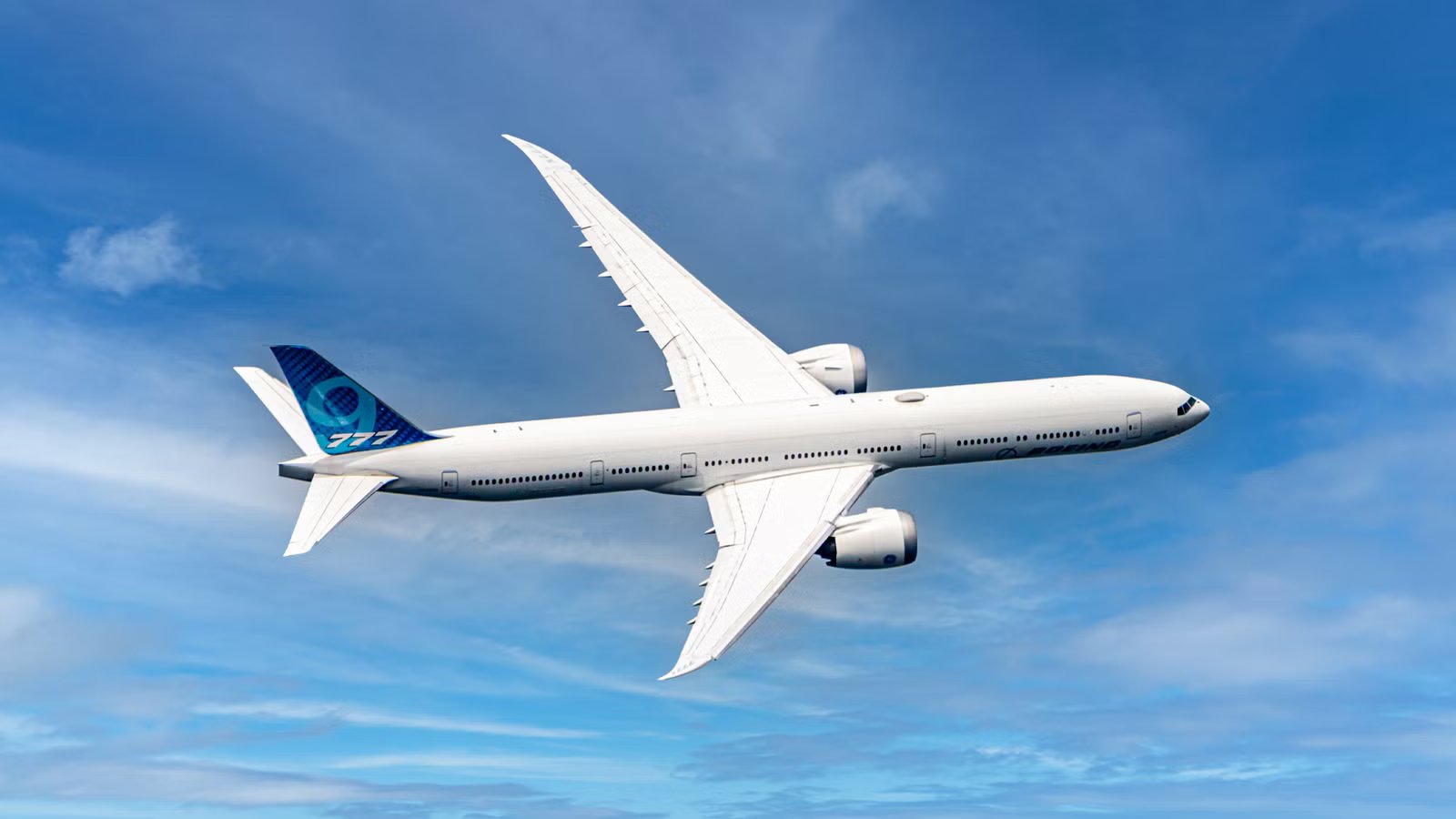
The Boeing 777X has been promised as the undisputed flagship of modern long-haul aviation, originally scheduled to enter revenue service around 2020. Fast-forward to 2026, and the flagship remains locked in an extended certification saga, with first customer deliveries now targeted for 2027. Seven years of delays, structural revisions, and regulatory scrutiny have transformed the program into one of the most expensive aerospace development challenges in history.
Despite an escalating pile of financial write-downs and operational postponements, global airlines are not walking away. Instead, widebody carriers continue to sign major commitments and expand their existing backlogs. This creates a sharp contrast between a troubled development program and persistent airline demand, reflecting a unique market reality: carriers simply cannot afford to give up on Boeing’s largest twin-engine jet, even if it is late to arrive.
Delays Can Become Costly

The path to 777X certification has proven far longer and more costly than  Boeing originally envisioned. After initial expectations aimed for a 2020 entry into service, a complex series of engine development setbacks, flight control software revisions, and heightened regulatory scrutiny progressively pushed delivery targets back. In the third quarter of 2025, Boeing booked a massive $4.9 billion charge on the 777X program, as detailed by Simple Flying reporting, reflecting the rising costs of prolonged testing, factory slowdowns, and certification delays.
Much of this financial toll stems from the intensive change incorporation work required across the fleet of early-build aircraft. To bring airframes assembled during the early stages of the program up to the final certification standard, engineers undertake extensive modifications, updates, and structural retrofits. In some instances, Boeing determined that reworking specific early test airframes was financially unviable, opting instead to disassemble and recycle them following structural testing rather than attempt a costly retrofitting process.
These cumulative charges have added billions to the overall development cost of the 777X program, placing sustained pressure on Boeing’s balance sheet. However, while Wall Street continues to monitor the mounting financial strain of bringing the 777-9 to market, the airframer remains committed to achieving final regulatory clearance. With flight testing continuing toward a targeted 2027 delivery date, the industrial burden remains immense, but the heavy financial outlays are treated as necessary investments to claim the future of Boeing’s long-haul flagship.
In A League Of Its Own

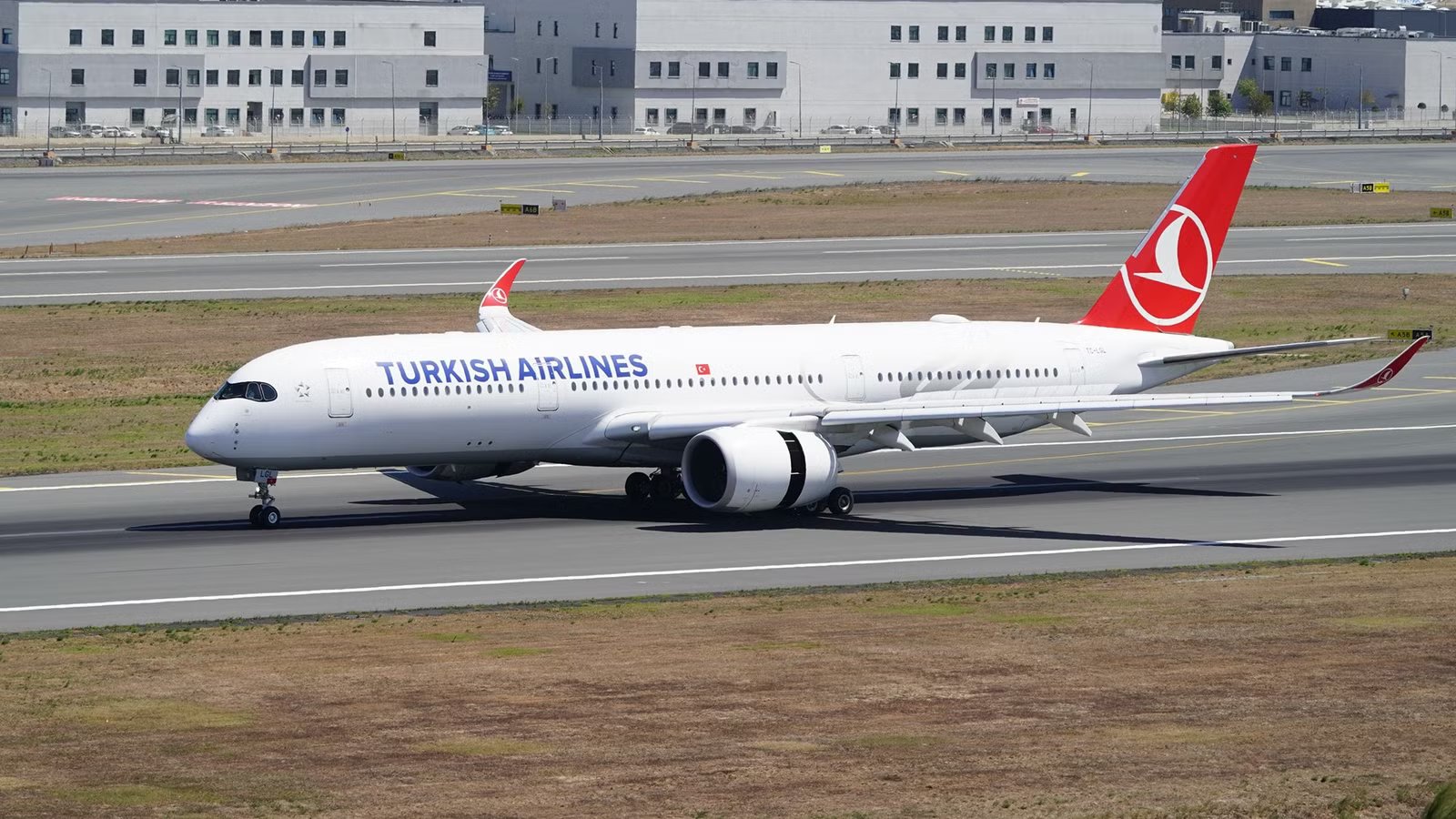
777X demand is remaining high, mainly due to the absence of direct competition in the high-capacity twinjet market. After Airbus closed the Airbus A380 assembly line, it left a distinct void for airliners capable of carrying 400 or more passengers. Even though the Airbus A350-1000 serves as a capable long-haul widebody, Boeing designed the 777-9 to occupy a larger capacity tier that sits above standard twinjets, offering something totally new to the market.
According to technical specifications published by Boeing and Airbus, the 777-9 offers space for up to 450 passengers in a standard two-class layout, whereas the A350-1000 typically seats 369 passengers in a similar configuration. Simple Flying noted in an analysis of how the 777X coexists with competing widebodies that this 57-seat capacity gap creates a unique category for the 777-9. Airlines looking to replace older 777-300ERs and 747-400s on high-density routes find no comparable substitute in the current market, which is why they see the aircraft as worth the wait.
The current market reality leaves long-haul airlines with little choice but to wait for 777X certification. Switching to smaller widebodies like the A350-1000 or Boeing 787-10 would lead carriers to sacrifice passenger throughput on their most lucrative long-haul sectors. Consequently, even as delivery dates slide toward 2027, widebody operators choose to endure schedule delays rather than compromise on per-flight seat capacity.
The Key To Solving Capacity Restrictions?

The reality for soon-to-be operators like All Nippon Airways and  Qatar Airways is that aircraft size directly dictates revenue potential. Major international hubs like
  London Heathrow Airport(LHR),
  Tokyo Haneda Airport (HND), and
  Dubai International Airport (DXB) operate at near 100% runway slot capacity during peak flight banks. As reported by Travel Weekly, airlines operating at these congested airports cannot simply add more daily flights to expand passenger volume, making larger aircraft essential for network growth.
Catch what other flight trackers miss
Emergency squawks, holds, NOTAMs — live signals, no signup.
Open tracker
Catch what other flight trackers miss
Emergency squawks, holds, NOTAMs — live signals, no signup.
Open tracker
The 777X allows long-haul operators to maximize passenger volume per landing slot without returning to four-engine quadjet platforms. In an operational assessment of hub carrier strategies, Simple Flying reported that international airlines rely on maximum twinjet capacity to maintain overall passenger throughput as legacy four-engine jets retire. Flying a 450-seat twinjet like the 777-9 through slot-restricted hubs offers unbeatable seat-mile economics that smaller widebodies are just not built to provide.
Landing slots at key global hubs are worth tens of millions of dollars, which means changing fleet strategy to accommodate smaller airframes is financially impractical. Replacing a planned 777-9 with smaller jets would only reduce daily seat inventory across key trunk routes, undermining carrier profitability. As a result, mega-hub operators are still locked into their 777X orders, prioritizing maximum seat availability over delivery speed.
Frustrated, But Still Holding On To Orders

Even though its leadership has delivered some harsh words on the program, no airline illustrates reliance on the 777X more clearly than  Emirates. As the largest widebody operator in the world, the Dubai-based carrier built its global hub model around high-capacity airframes like the A380 and 777-300ER. When Boeing initially announced delivery delays pushing first arrivals to 2027, Emirates responded not by trimming orders, but by doubling down on its commitments.
During the 2025 Dubai Airshow, Emirates placed an additional order for 65 777-9 aircraft, expanding its total 777X commitment to 270 airframes. The carrier expects to integrate the 777-9 into its long-haul network through 2038, though Emirates President Tim Clark has voiced frustration over certification delays, going so far as to refuse delivery of the earliest batch of ten production frames due to heavy rework requirements. Despite this, the airline continues to reinforce its total backlog position.
Similarly, Qatar Airways holds a substantial order book for the 777X, cementing the type as the backbone of future Gulf mega-hub connectivity. For these long-haul giants, canceling or reducing 777X orders would leave massive capacity gaps in their 2030 network projections. With no alternative 400-seat twinjet available from competing manufacturers, expanding backlog orders is really the only viable strategy to keep future growth on its intended path.
Better To Play The Long Game

The long-term operating economics of the 777X provide a compelling financial case for patient airlines. Powered by twin General Electric GE9X engines, the largest and most powerful commercial turbofans ever produced, the 777-9 offers a 10% to 12% improvement in fuel burn compared to previous-generation widebodies. According to GE Aerospace performance metrics, these engine efficiency gains also tag along with substantial reductions in long-term carbon emissions and direct operating costs.
To make sure the 777X can operate at existing airport gates despite its massive 235 feet, 5 inches (71.75 meters) wingspan, Boeing engineered an industry-first folding wingtip system. These folding wingtips, which reach 11 feet (3.36 meters), fold vertically upon touchdown, which reduces the ground wingspan to Code E gate dimensions and allows the jet to dock at standard airport gates without requiring expensive airport infrastructure upgrades.
Finance analysts will see the cost of canceling 777X commitments and re-equipping fleets with alternative models far outweighing the friction of waiting for 2027 deliveries. Fleet conversions need new pilot type ratings, maintenance tooling, spare engine inventories, and crew scheduling protocols. Because the GE9X engine efficiency and folding wingtip capabilities offer superior long-term seat-mile savings, airlines calculate that enduring development delays is actually the most profitable decision over a 30-year aircraft lifecycle.
The Next Global Leader?

Boeing’s 777X program presents a clear duality between immediate financial pain and long-term market dominance. Wall Street analysts continue to focus on the $4.9 billion quarterly charge and $15 billion in cumulative development write-downs as tough hits to Boeing’s short-term balance sheet. However, from a commercial perspective, Boeing has secured a commanding position in the upper tier of the widebody market for decades to come, once its newest flagship can actually reach customers.
With a massive order book backed by premier global carriers, Boeing’s widebody backlog represents hundreds of billions of dollars in future delivery revenue. The 777X will serve as the natural successor to both the 747-400 and the A380 as those quadjets exit active service. Once certification is achieved, the 777-9 will give Boeing a near-monopoly on high-capacity long-haul twinjets.
Ultimately, the persistent demand for the 777X proves that widebody fleet planning is measured in decades rather than financial quarters. While a 7-year delay and billions in cost overruns create significant short-term industrial hurdles, the fundamental economics of long-haul aviation favor Boeing’s giant twinjet. Once deliveries commence in 2027, the initial delays will fade into history as the 777X becomes the backbone of international long-haul travel.