dailynewsnblog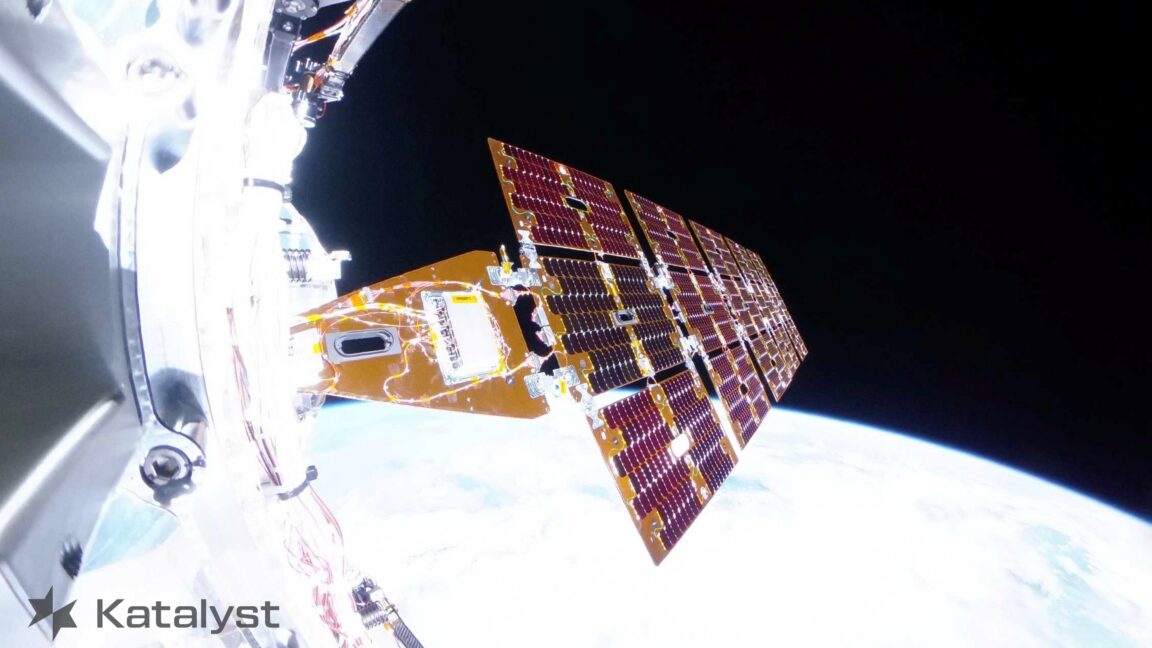
Extending Swift’s scientific mission was not the only consideration when NASA officials selected Katalyst to build and launch a satellite to boost Swift’s orbit. The space agency is using the rescue mission as a technology demonstration and as a way to test the mettle of the commercial satellite servicing industry.
With Swift’s orbit rapidly decaying, NASA gave Katalyst nine months to build and launch the Link satellite, an unusually fast timeline for such a complex mission. Katalyst answered the call and delivered the Link satellite for integration with the Pegasus rocket in early June. Poor weather and a technical glitch with the rocket delayed the launch until July 3.
No matter the outcome of the Swift rescue attempt, NASA officials said last month they were already pleased with the results. “From a programmatics standpoint, I consider this a success already, just from the fact that we’re even going to try this,” said Shawn Domagal-Goldman, director of NASA’s astrophysics division.
Katalyst’s Link spacecraft is still generating sufficient electrical power in communication with ground teams, NASA said. That gives engineers time to develop a plan to address the reaction wheel problems.
Kieran Wilson, Link’s principal investigator at Katalyst, talked about a scenario like this before the launch.
“Our previous programs had issues with power systems and communications,” Wilson said. “Those are a lot of the basic things that most of the engineering team gets very concerned about because we’re confident that as long as we have spacecraft that can function at a fundamental level, that gives us the freedom and flexibility to work through any issues we find during rendezvous and more challenging dynamical operations.”
“After reestablishing stable attitude and further investigating spacecraft status, Katalyst plans to update Link’s guidance, navigation, and control to accommodate the spacecraft’s new configuration,” NASA said. “Working closely with NASA teams, they will then evaluate revised plans to approach and capture Swift, depending on safety of the approach and Link’s health.”