dailynewsnblog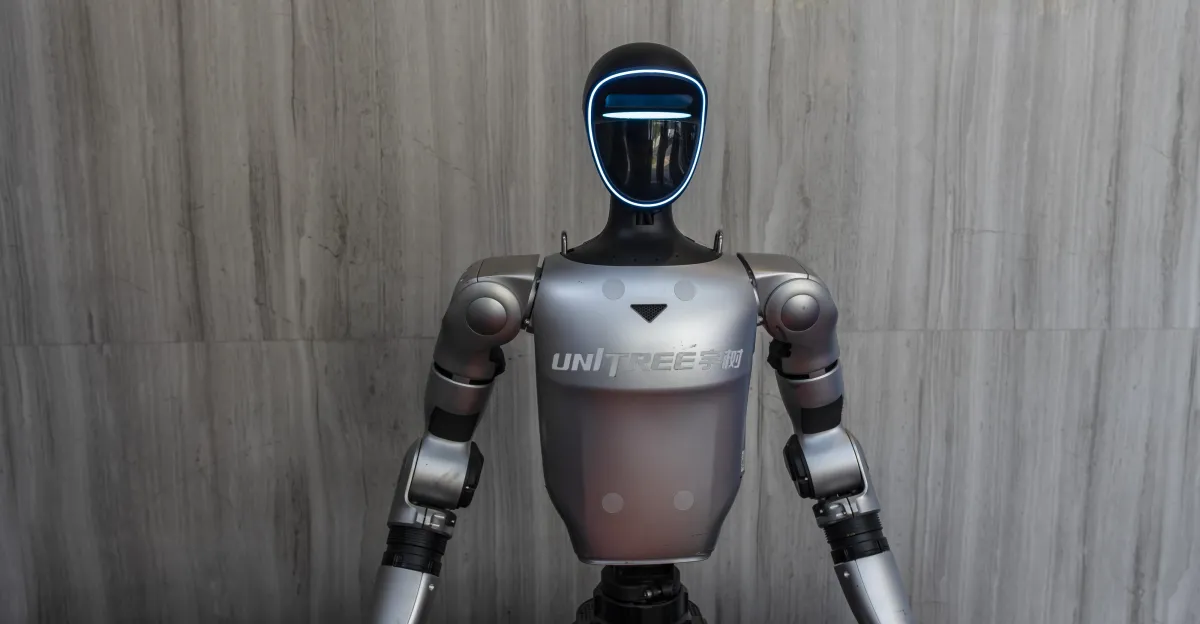
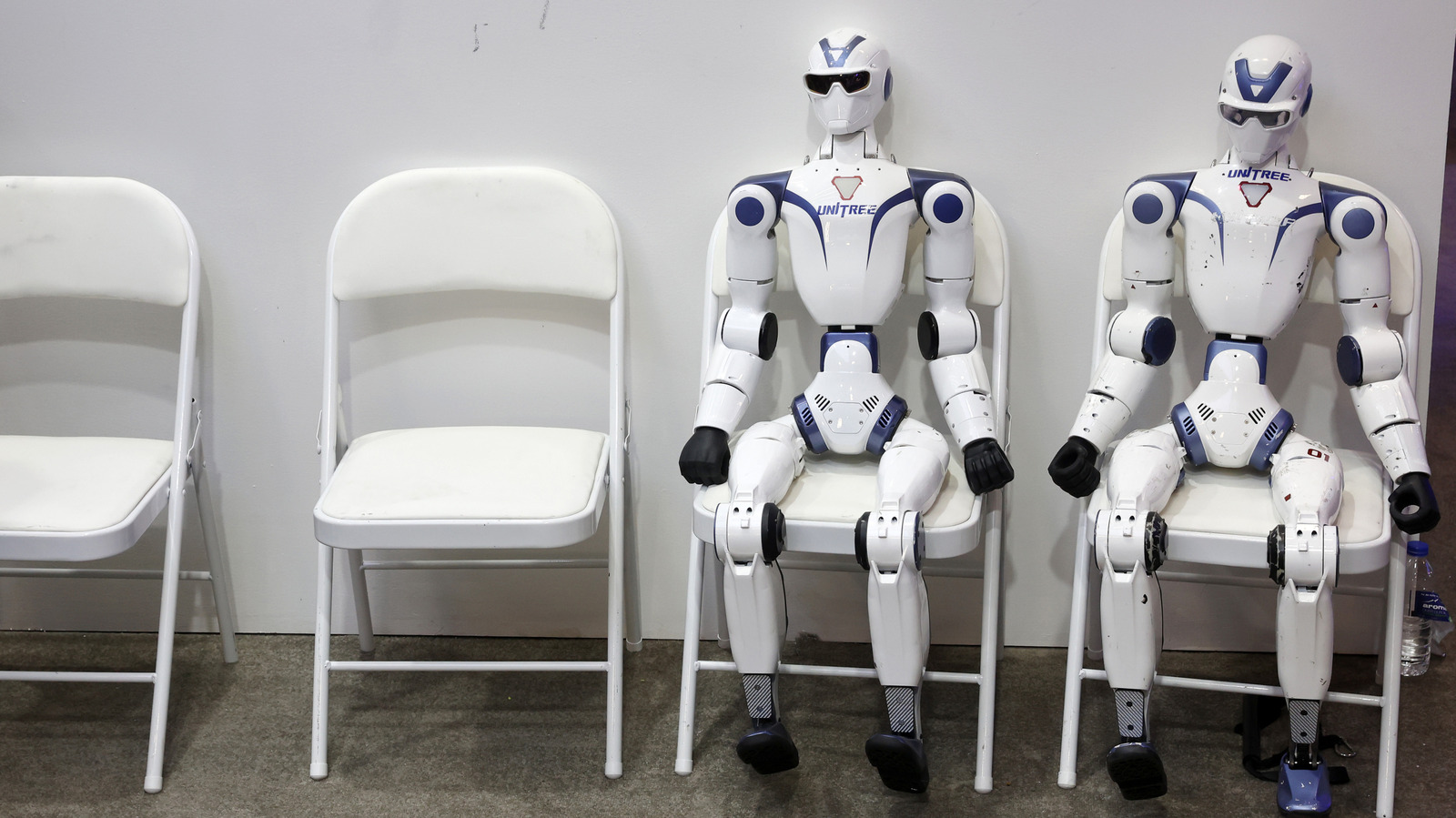
The US government is targeting China with a new import ban on “advanced robotic devices” and power inverters made in foreign countries, as reported earlier by Reuters. In an announcement on Tuesday, the Federal Communications Commission says the ban will include “mobile” robots, such as humanoid and quadruped models — but it is not limited to robots that walk around.
China is also home to the world’s leading power inverter producers — Sungrow and the already-blacklisted Huawei — which are often used in solar panel arrays and other renewable energy systems. In its announcement, the FCC cites “unacceptable risks to the national security of the United States or the safety and security of United States persons” as the reason for the ban.
A FAQ page published by the FCC defines an “advanced robotic device” as a machine that is capable of “locomotion, obstacle avoidance, navigation, or movement on the ground;” comes with a sensor that perceives the surrounding environment; and has a chip for network connectivity. It must also weigh more than 4.4 pounds (including its docking station, if it has one).
By that definition, even future robot vacuums would automatically be banned if they do not obtain a waiver. The FCC does not appear to be limiting this ban to robots with legs. In fact, the National Security Determination that the FCC is using to justify the move explicitly mentions The Verge’s reporting on the poor security of DJI’s Romo robovac.
Similar to the US government’s ban on foreign-made routers, companies can request a waiver if they want to keep bringing new products into the US, but the waiver application does not include any requirements to improve the security of those robots or inverters. Existing products in the US also won’t be subject to the ban, so individuals and companies can keep on using existing robots and inverters.
Like previously, the US government seems to care primarily about where these devices are designed and manufactured before they get a waiver — and every applicant needs to provide a detailed plan to start manufacturing them in the United States instead. Sources tell Reuters that the FCC “is expected to exempt many non-Chinese suppliers from the restrictions.”
The FCC says today that all robots and power inverters can keep getting security and compatibility updates through January 1st, 2029 thanks to an additional waiver, but the agency is once again misleading the public about how those updates work. Companies do not currently need to inform the FCC when they push security updates to their devices.