dailynewsnblog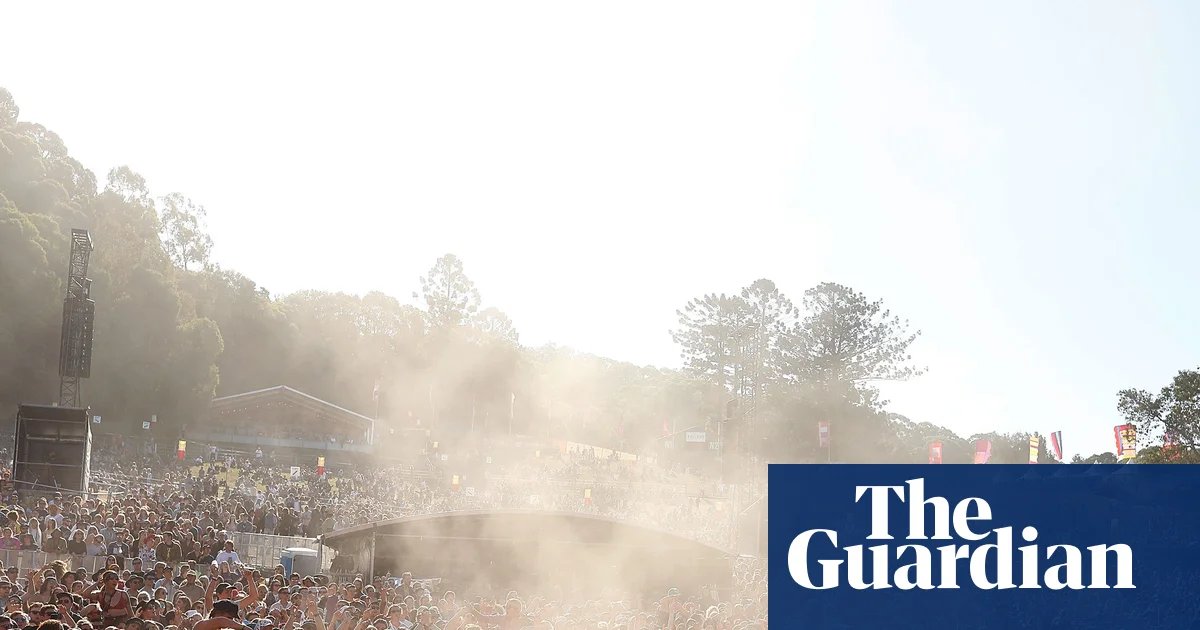
The state of New South Wales is arguing that police have the power to forcibly move body parts when conducting a strip-search, as it seeks to appeal a landmark class action ruling.
Thursday was the first day of a two-day hearing where NSW is seeking leave to appeal after losing a class action brought by Slater and Gordon lawyers and the Redfern Legal Centre over unlawful strip-searches conducted at music festivals between 2018 and 2022.
The state is arguing that Justice Dina Yehia erred in September when ruling that police do not have the express power to use reasonable force to move someone’s body parts during a strip-search. NSW is also arguing in its appeal that the judge erred in awarding the lead plaintiff, Raya Meredith, aggravated damages for the state’s conduct in the case, which was heavily criticised during last year’s hearings.
The state admitted in May 2025 to unlawfully strip-searching Meredith. This reduced the hearings from a scheduled 20 days to just five after police withdrew 22 witnesses called to contest Meredith’s version of events.
Meredith was the only witness to appear in the class action, which has more than 6,000 members. She was postpartum and 27 years old when, in 2018, she was strip-searched on her way into Splendour in the Grass in Byron Bay.
A female police officer asked her to take all her clothes off, bend over and bare her bottom, drop her breasts and remove her tampon. At one point, a male officer walked in unannounced.
Yehia awarded Meredith $93,000, including $20,000 in aggravated damages. She found that police suspicion that a person had a personal quantity of a prohibited drug in their possession was “not sufficient to conduct a strip-search”.
Perry Herzfield SC, for the state, argued on Thursday that Yehia erred in six of her findings – including that if a person does not comply with a request to move their body parts, then police do not have the power to use reasonable force to move them.
He told the court that section 230 of the Law Enforcement Powers and Responsibilities Act (Lepra), when read with the strip-search provisions, permitted police to use force as reasonably necessary.
Herzfield said police’s power to move a person’s body parts via reasonable use of force does not, under Lepra, extend to body cavities and – on the state’s reading – can only be done to aid a visual search and not to conduct a search via touch.
The barrister said the effects of Yehia’s findings were not just limited to strip-searches at music festivals but would have consequences for police strip-searching a person suspected of concealing a weapon.
Herzfield told the appeal court the finding could mean a person who was stopped could technically lie down on the ground and refuse to take off their clothes – and police would be powerless to force them to do so.
He argued an officer could, for example, lift a person’s arm using reasonable force if it was suspected they were concealing something in their armpit.
Justice Kristina Stern asked Herzfield if that power meant police could request someone to lift their breast for inspection.
Herzfield did not respond directly to that example. He said Lepra did not allow an examination “with a sense of touch” but an officer could move “someone’s arm to facilitate a visual inspection”.
Stern asked if the state argued Lepra gave police the power to direct someone to remove their tampon. Herzfield responded: “We don’t seek to justify that.”
The appeal before Chief Justice Andrew Bell, President Julie Ward and justices Anthony Payne, Anna Mitchelmore and Stern continues.