dailynewsnblog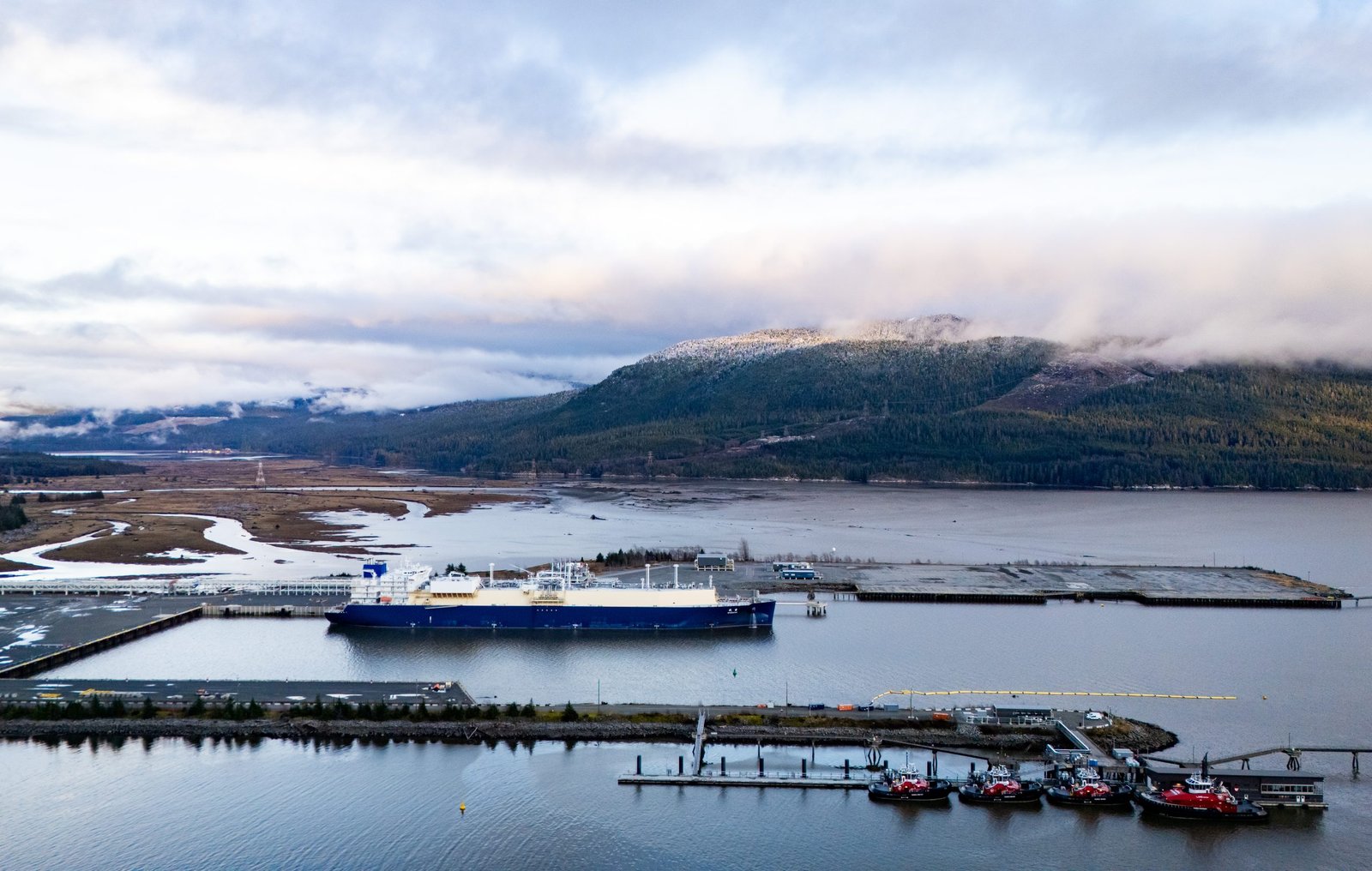
The joint venture participants, Shell, PETRONAS, PetroChina, Mitsubishi Corp. and KOGAS, have spent months working through their own internal approvals for Phase 2.
LNG Canada is doubling the size of its Kitimat, B.C., export facility, approving a second phase at the country’s first large-scale LNG terminal only a year after its first cargo left the dock, according to multiple government sources who spoke to iPolitics confidentially.
The announcement is set to take place at a hotel in Vancouver Tuesday, with Prime Minister Mark Carney in attendance.
LNG Canada’s phase 2 would increase production from 14 million tonnes a year to 28 million, according to the company.
The federal government, which referred the project to the Major Projects Office last year, says it is expected to become the world’s second-largest LNG facility and attract $33 billion in private capital.
The expansion comes as B.C. heads into an election and Parliament returns for a fall session focused on major projects, with the federal and provincial governments likely to present it as a vote of confidence in Canada’s resource sector and regulatory climate.
The joint venture participants, Shell, PETRONAS, PetroChina, Mitsubishi Corp. and KOGAS, have spent months working through their own internal approvals for Phase 2.
READ MORE: LNG Canada says markets aren’t paying extra for low-carbon energy at this time
Earlier in May, LNG Canada approved hundreds of millions of dollars in additional funding to finalize work toward a potential final investment decision by the end of the year, and two weeks later, the federal and B.C. governments signed an agreement with the company to co-operate on the steps still needed before that decision.
Over the summer, five B.C. First Nations, the Gitga’at, Gitxaała, Haisla, Kitselas and Kitsumkalum, were offered an option to invest up to $1 billion for majority ownership of the storage tank infrastructure linked to the expansion, which would be leased back to the project for its operating life.
Federal government bullish on LNG exports
In the last budget, Ottawa moved to improve the economics of Canadian LNG projects by extending the maximum length of LNG export licences from 40 to 50 years reinstating accelerated capital cost allowances for low-carbon LNG facilities.
LNG Canada is the first large-scale LNG export terminal to operate in Canada, and other projects, including Ksi Lisims LNG to the north, are now seeking to follow it, with plans that also involve partnering with First Nations and using low-carbon power.
The U.S.-Israel war on Iran and the resulting closure of the Strait of Hormuz have disrupted gas production and shipping routes over the past six months, strengthening the case for export facilities outside the conflict zone and creating more opportunities for long term contracts.
The International Energy Agency’s latest gas market report estimates that LNG loadings from Qatar and the United Arab Emirates fell by 35 billion cubic metres from March to June compared with the same period last year. Suppliers in North America and Africa have stepped in to fill the gap, with non-Gulf production up almost 18 per cent, the report says.
READ MORE: Energy minister dismisses concerns about long-term LNG prices