dailynewsnblog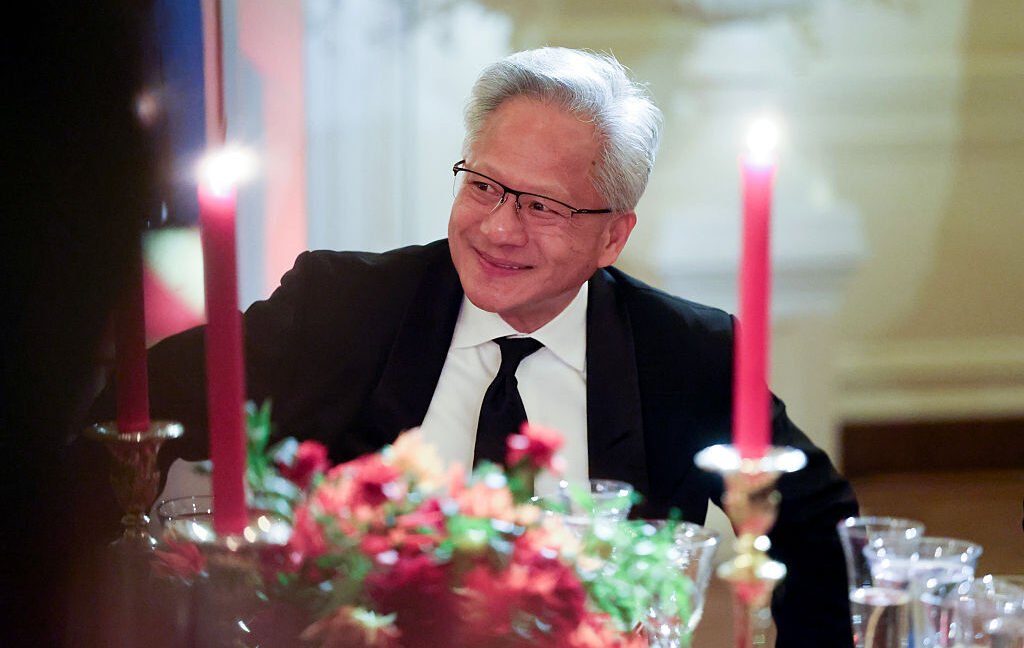
“Most of the hardware people, most of the people who designed the networking equipment and the microchips, feel like Jensen does,” Witt said. “They tend to have a very low sense of risk regarding this technology. They just don’t see it.”
He said this debate has been going on between the two camps for the past 10 years and “neither camp has moved at all.” With Huang growing closer to Trump, it seems likely the president will continue downplaying leading AI firms’ warnings and avoiding serious talks with China about their models’ risks. Treasury Secretary Scott Bessent confirmed ahead of Trump’s talks with Xi that “the president is completely aligned with Jensen Huang, the CEO of Nvidia.”
Nvidia downplays risks
According to The Information, China lifting export curbs on Nvidia’s gaming chips “would give Nvidia perhaps its best chance in more than a year to regain some momentum in China’s AI market.” If China gives the nod, ByteDance plans to order 1 million chips, which would automatically secure for Nvidia two quarters of projected sales.
That would certainly help improve Nvidia’s financial outlook in China, as China’s delayed approval of H200 sales meant sales were dismal, comprising less than 1 percent of Nvidia’s data center revenue in the most recent quarter.
Andrew Yoon, a researcher at an AI safety nonprofit called CivAI, told CNBC that in the AI industry, “Nvidia is the most aggressive in terms of, let’s just make money.”
“At every turn, they are really trying to just make sure whatever happens is good for Nvidia’s bottom line,” Yoon said.
If the US and China continue to loosen controls, some experts fear that too many chips may end up being diverted to China. Eventually, that could cause US data centers to lose a precious domestic chip supply that’s currently making it possible to stay ahead on frontier AI, the thinking goes.