dailynewsnblog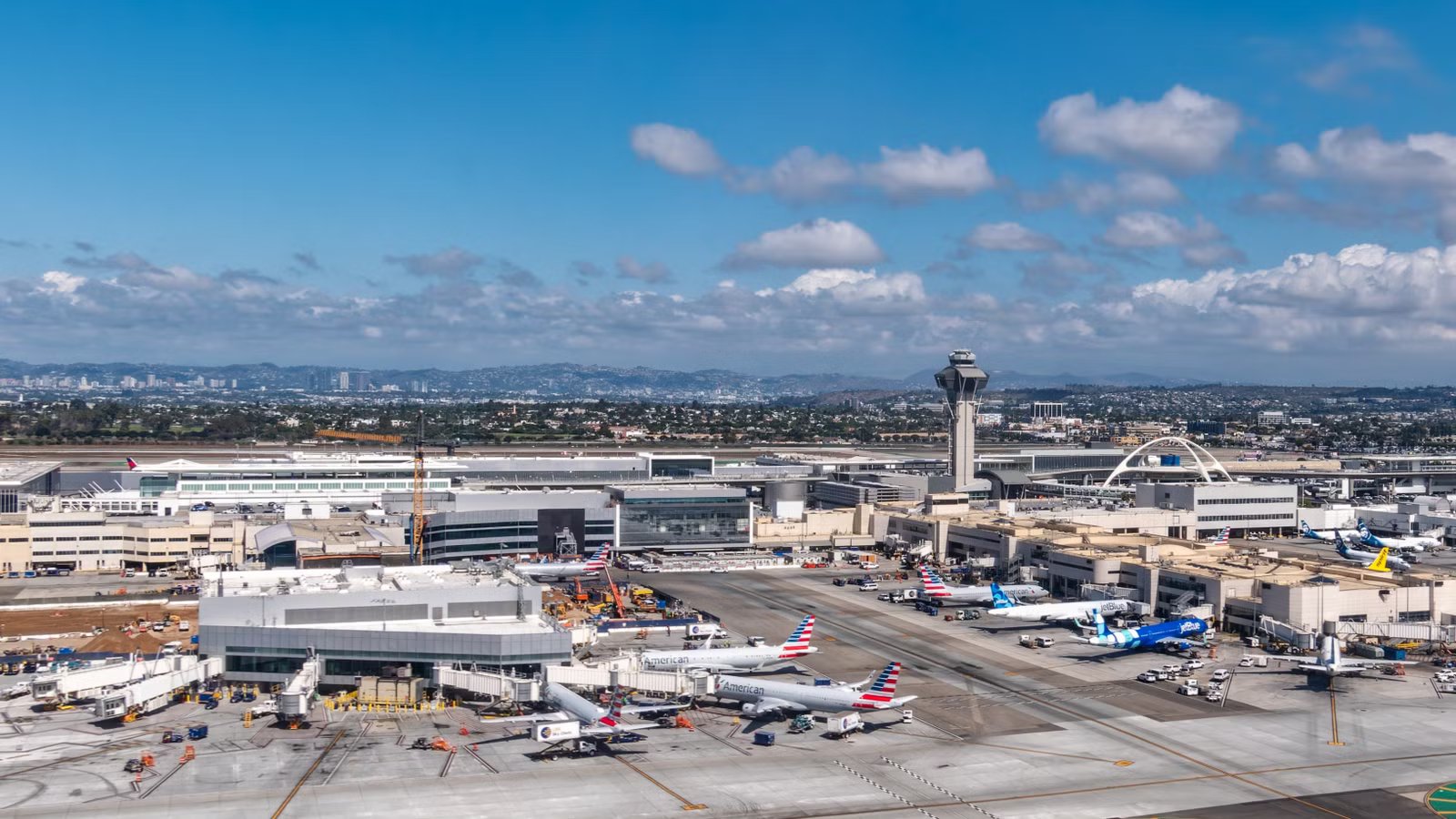
A 44-year-old Iranian national, Shamim Mafi, was arrested at  Los Angeles International Airport (LAX) on Saturday night, April 18, 2026, on suspicion of trafficking weapons on behalf of the Iranian government. Federal authorities allege that Mafi was involved in brokering the sale of military-related equipment, including drones and ammunition. The arrest took place as she was at the airport, with officials confirming the case shortly afterward.
Mafi, a Woodland Hills resident, is expected to appear in the US District Court in downtown Los Angeles on Monday afternoon following her arrest. The case centers on alleged violations of US sanctions laws and raises concerns about illicit international weapons networks. The arrest is not the first one related to Iran and the smuggling of military equipment since the 1979 revolution. The story also highlights the role of major aviation hubs in intercepting individuals suspected of transnational crimes.
Federal Authorities Detail Alleged Weapons Brokering Scheme

According to federal authorities, Shamim Mafi is accused of violating 50 U.S.C. § 1705, a statute related to sanctions and prohibited international transactions. Prosecutors allege that she brokered the sale of drones, bombs, bomb fuses, and millions of rounds of ammunition. These weapons were reportedly manufactured in Iran and sold to war-torn Sudan, according to officials involved in the case, and reported by CBS News.
Mafi is identified as an Iranian national who became a lawful permanent resident of the United States in 2016. Her arrest at LAX before boarding a flight to Istanbul, Turkey, followed investigative efforts by federal authorities, though specific operational details surrounding the arrest have not been publicly disclosed. If convicted, she could face a maximum sentence of up to 20 years in federal prison.
Sanctions Enforcement And The Role Of Major Aviation Hubs

The case highlights ongoing enforcement of US sanctions laws, particularly those targeting Iran’s ability to engage in international arms transactions. Authorities closely monitor individuals and networks suspected of facilitating the transfer of military equipment, especially when such activities involve countries subject to US restrictions.
Airports such as LAX play a critical role in these enforcement efforts, serving as key checkpoints where federal agencies can detain suspects traveling internationally. While this case does not specify whether weapons were physically transported through the airport, the arrest demonstrates how aviation hubs remain central to broader law enforcement operations.
The alleged connection to Sudan is also notable, as it reflects the complex international routes through which weapons transactions may occur. Investigations into such cases often involve multiple jurisdictions and coordination between agencies to track financial and logistical links.

5 Boeing 777s Transferred To Iran Despite Ongoing Sanctions
In recent years, Iran has reactivated several dormant widebodies, often using circuitous registration changes and untraceable flight paths.
Decades Of Smuggling: How Iran Kept Its Aircraft Flying

The allegations in the Shamim Mafi case reflect a long-standing pattern of illicit procurement networks tied to Iran’s military, particularly efforts not only to arms trafficking, but also to sustain its fleet of Western-made aircraft, notably the Grumman F-14 Tomcat. After the 1979 Iranian Revolution, the United States cut off military support, leaving Iran without access to spare parts for its US-made jets. Despite this, the country has managed to keep a number of its aircraft operational for decades, largely through unofficial channels.
During the 1980s, US authorities uncovered multiple smuggling rings involving stolen or illegally exported F-14 components. Investigations revealed that some parts were diverted directly from US Navy supply chains and sold through intermediaries. These operations often involved complex networks spanning several countries, making enforcement particularly difficult during that period.
By the mid-1980s, officials had identified dozens of cases linked to attempts to procure restricted military equipment for Iran, with F-14 parts among the most sought-after items. Some schemes involved millions of dollars’ worth of aircraft components, highlighting both the demand and the scale of the illicit trade. These early cases set the foundation for ongoing concerns about the vulnerability of military supply chains.
The issue persisted into the 2000s, when US authorities intensified efforts to clamp down on illegal exports of aircraft parts. In some cases, individuals were arrested for attempting to acquire and ship components to Iran through third countries. The US government also took preventive steps, including restricting access to surplus parts and closely monitoring resale channels to prevent diversion.
This enduring procurement pattern underscores that aviation-related supply chains remain a critical focus of sanctions enforcement, linking historical smuggling efforts to modern cases such as the arrest at LAX.