dailynewsnblog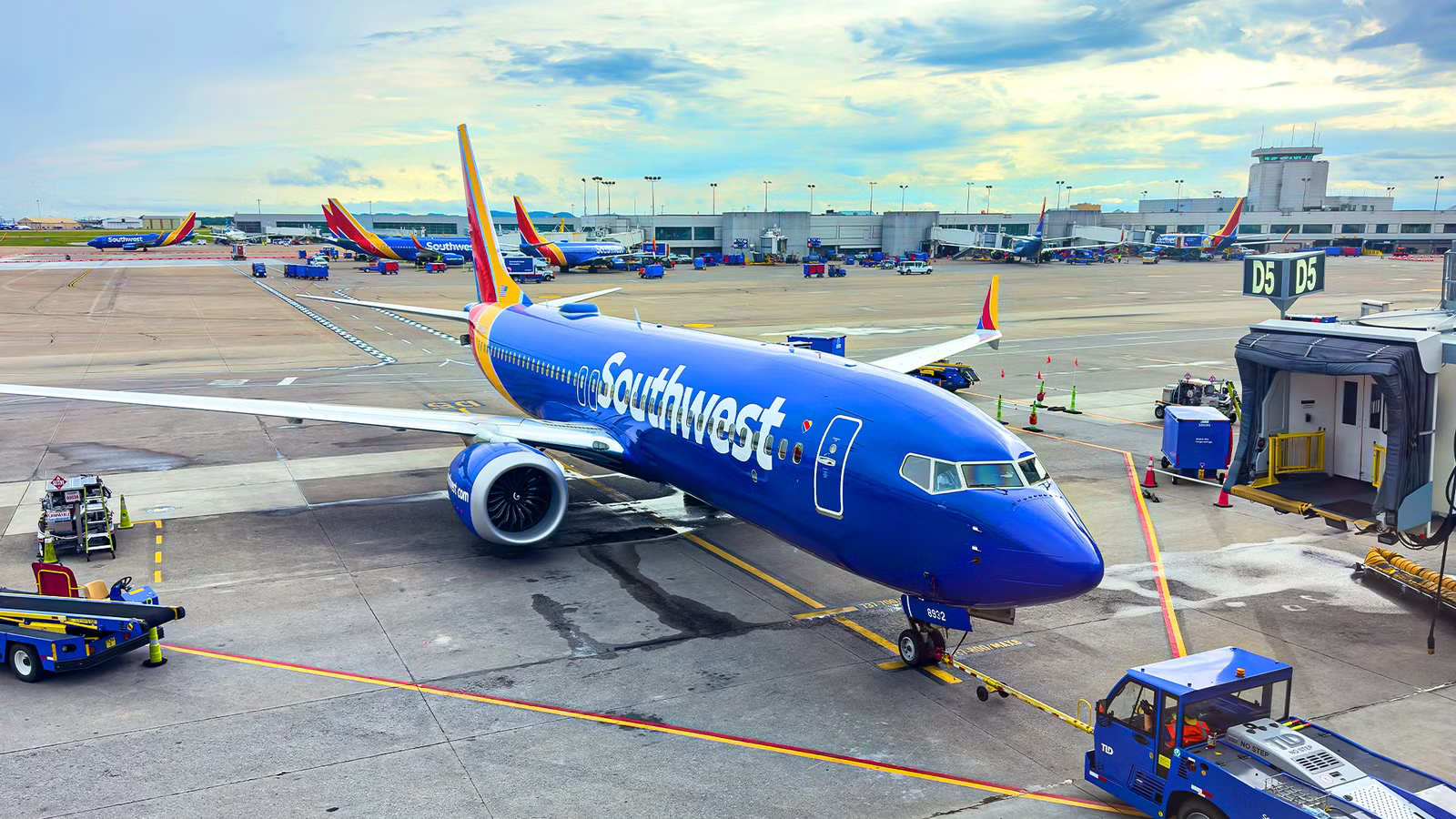
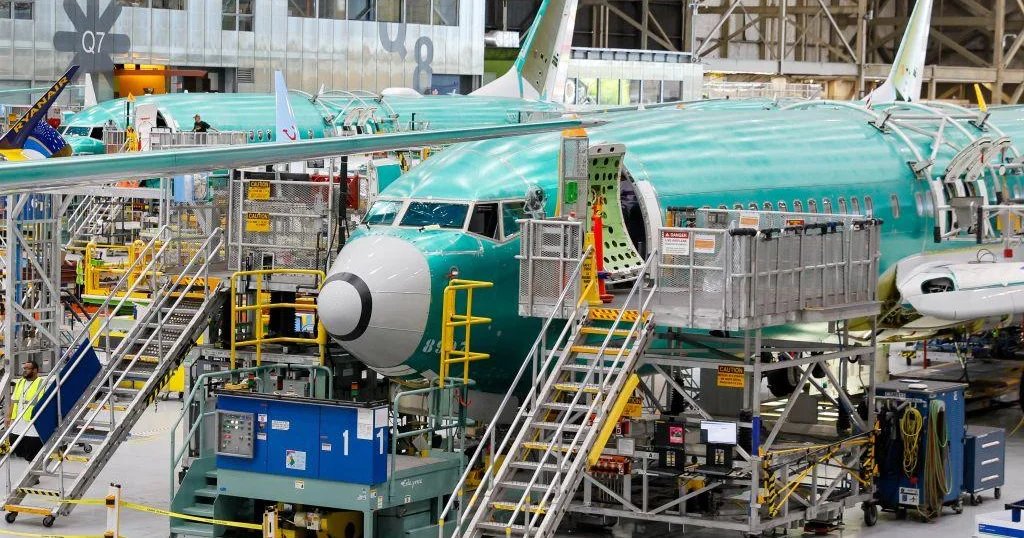
Dallas-based  Southwest Airlines commenced operations in 1971 with just three Boeing 737-200 aircraft. More than five decades later, it has grown into one of the largest airlines in the US, with a fleet of more than 800 aircraft. For much of its history, Southwest built its operation around simplicity and speed. Fast aircraft turnarounds have been an important part of that model, allowing the airline to keep its fleet in the air for more of the day.
Its open seating policy, simple boarding process, and free checked bags were central to that model. However, in recent years, Southwest has faced pressure from investors and changing customer expectations. As a result, it has introduced several major changes to its business model. Some of these changes have been well received, while others have sparked debate among passengers.
The changes have also affected the airline’s operational performance, including its on-time performance. Southwest has recognized the need to improve its operations and has been making changes to give its crews more time to prepare aircraft for departure. Since last month, the airline has been asking its flight attendants to report five minutes earlier for most flights. The change has brought boarding forward on nearly 65% of Southwest’s fleet.
The Five-Minute Rule Applies To Most Southwest 737 Flights

From August 1, the Dallas-based carrier began asking flight attendants operating domestic Boeing 737-800 and 737 MAX 8 flights to report 35 minutes before departure. Previously, the reporting time for those flights was 30 minutes before departure. The five-minute change applies to a large part of Southwest’s operation because the airline’s fleet is now dominated by these larger 737 variants.
According to ch-aviation, Southwest currently operates 814 aircraft, including 334 MAX 8s and 190 737-800s. Together, the two types account for 524 aircraft, or nearly 65% of the airline’s fleet. Flights operated by the Boeing 737-700 continue to have a 30-minute crew reporting time. In addition, international flights and services to and from Hawaii also retain their existing 45-minute reporting time.
It is worth noting that the change only applies to cabin crew. Southwest previously confirmed to Simple Flying that there had been no change to customer schedules or boarding times. Customer boarding continues to range from 30 to 45 minutes depending on the aircraft type and route. This, of course, raises the question of why Southwest needed to move the crew reporting time forward in the first place.
Southwest’s Baggage Fees Are Believed To Be Behind The Operational Change

The change stems from another major decision Southwest made last year. In May 2025, the airline started charging passengers for checked bags. It introduced a $35 fee for the first checked bag and $45 for the second. This marked the end of a policy that the budget airline had kept since the start of its operations. For decades, Southwest offered two free checked bags even as other major US airlines introduced and increased their baggage fees.
The policy became one of the ways the airline differentiated itself from its competitors. It even trademarked the “Bags Fly Free” slogan and used it as a key part of its advertising. In fact, until 2024, the airline said it had no plans to charge for the first two checked bags, calling the benefit “a big part of what attracts people to Southwest.” The decision to change the policy came as Southwest faced increasing pressure from activist investors, particularly Elliott Investment Management, which acquired a $1.9 billion stake in the airline.
Southwest subsequently announced several changes to improve its financial performance, and charging for checked bags was one of them. The airline expected the new fees to generate around $1.5 billion in annual revenue once the changes fully cycled through its customer booking curves. However, the baggage policy change also had an operational impact on the airline.
Southwest Is Facing Longer Boarding Times As More Passengers Are Bringing Carry-Ons

Since the airline previously allowed customers to check up to two bags for free, many passengers had little reason to bring large carry-on bags that needed to fit in the overhead bins. Southwest’s aircraft also typically had less overhead storage space than some of its competitors. That made sense under its previous baggage policy, since fewer passengers needed to rely on the cabin for their luggage.
The situation changed after the low-cost carrier introduced checked baggage fees. More passengers now have an incentive to bring their luggage into the cabin instead of paying to check it. As the overhead bins fill up, passengers can spend more time looking for available space or rearranging bags. This can slow the boarding process and delay when the cabin doors can be closed.
Southwest Airlines On-time Performance | |||
January | 79.75% | February | 79.84% |
March | 72.44% | April | 76.59% |
May | 71.41% | June | 64.94% |
July | 68.4% | August | 70.73% |
Southwest has acknowledged that customers are bringing more carry-on luggage onboard. The airline has also committed to retrofitting 70% of its aircraft with larger overhead bins that can accommodate more rolling suitcases. Until that work is complete, gate agents may still face situations where carry-on bags have to be checked at the gate after the cabin reaches its storage capacity. This has been reflected in Southwest’s on-time performance this year.
According to OAG, the airline’s on-time performance fell from 79.75% in January to 64.94% in June. It improved in July and August, but remained below its January level, reaching 70.73% in August. Southwest has not said that its baggage policy is the sole reason for the decline. However, the timing of the deterioration in performance coincides with the introduction of the new baggage fees and the resulting increase in carry-on luggage.
Southwest’s End Of Open Seating Added Another Challenge To Boarding

In addition, Southwest has introduced another major change to the boarding process since the beginning of this year. The airline ended its long-running open seating policy, bringing an end to a system that had been part of its operation since it started flying. For decades, passengers were assigned an A, B, or C boarding group and a numbered position based on factors such as check-in time, fare type, EarlyBird Check-In, and elite status. Once onboard, they could choose any available seat.
Southwest now uses assigned seating and has introduced eight numbered boarding groups. Passengers can select their seats at check-in for a fee on most fares, although Basic fares do not allow advance seat selection. Those who do not select a seat are assigned one at check-in. Indeed, the change has altered the way passengers move through the cabin. Open seating encouraged passengers to find a seat quickly because waiting could mean fewer options.
Assigned seating removes that pressure. Passengers already have a designated seat, so they can spend more time looking for overhead bin space or arranging their carry-on bags. This can create more congestion in the aisle and add time to the boarding process. For an airline that has historically relied on quick turnarounds, even small increases in the time needed to board can affect how quickly an aircraft is ready for its next flight.
Customers Have Responded Differently To Southwest’s New Business Model

The operational pressure facing Southwest is only part of the reason the airline has been changing its business model. Pressure from Elliott Investment Management has pushed the airline to improve profitability and adopt more conventional revenue strategies. As noted earlier, the new checked baggage fees were expected to generate around $1.5 billion in annual revenue once they fully cycled through the airline’s customer booking curves.
Assigned seating has created another opportunity to generate revenue through paid seat selection, extra legroom products, and more segmented pricing. Speaking at Fortune’s COO Summit, Southwest’s Executive Vice President and Chief Customer & Brand Officer, Tony Roach, acknowledged the scale of the changes and said they were necessary for the airline’s long-term future. “We are a brand that’s been iconic, but we want to be sustainable…So fundamentally we need to change our business model, so that we have the future to look forward to,” he said.
From a financial perspective, the strategy is not unusual. Many of Southwest’s rivals generated substantial ancillary revenue from baggage fees, seat selection, premium seating, and different fare products for years. These are established parts of the business model across the major US airlines. What makes Southwest’s changes significant is that these practices were new to an airline that had built much of its identity around doing things differently.
The airline expected its customers to adapt to the new model, but that response has been mixed. Some customers have welcomed the additional options and the ability to pay for products that were not previously available. Others have been left confused and frustrated by the changes.
The Five-Minute Crew Change Is Part Of Southwest’s Operational Response

Southwest has recognized that some of the changes to its business model have also created new operational challenges. The airline has been working to address those issues, and asking flight attendants to report five minutes earlier is one of those measures. The additional time gives crews a little more room to complete their pre-departure duties before the aircraft needs to leave the gate.
It may seem like a small adjustment, but it gives the airline another way to protect its turnaround times. For Southwest, the challenge now is making its new business model work without losing the operational efficiency that has been central to the airline for decades.
Catch what other trackers miss
Emergency squawks, holds, NOTAMs — live signals, no signup.
Open tracker
Catch what other trackers miss
Emergency squawks, holds, NOTAMs — live signals, no signup.
Open tracker