dailynewsnblog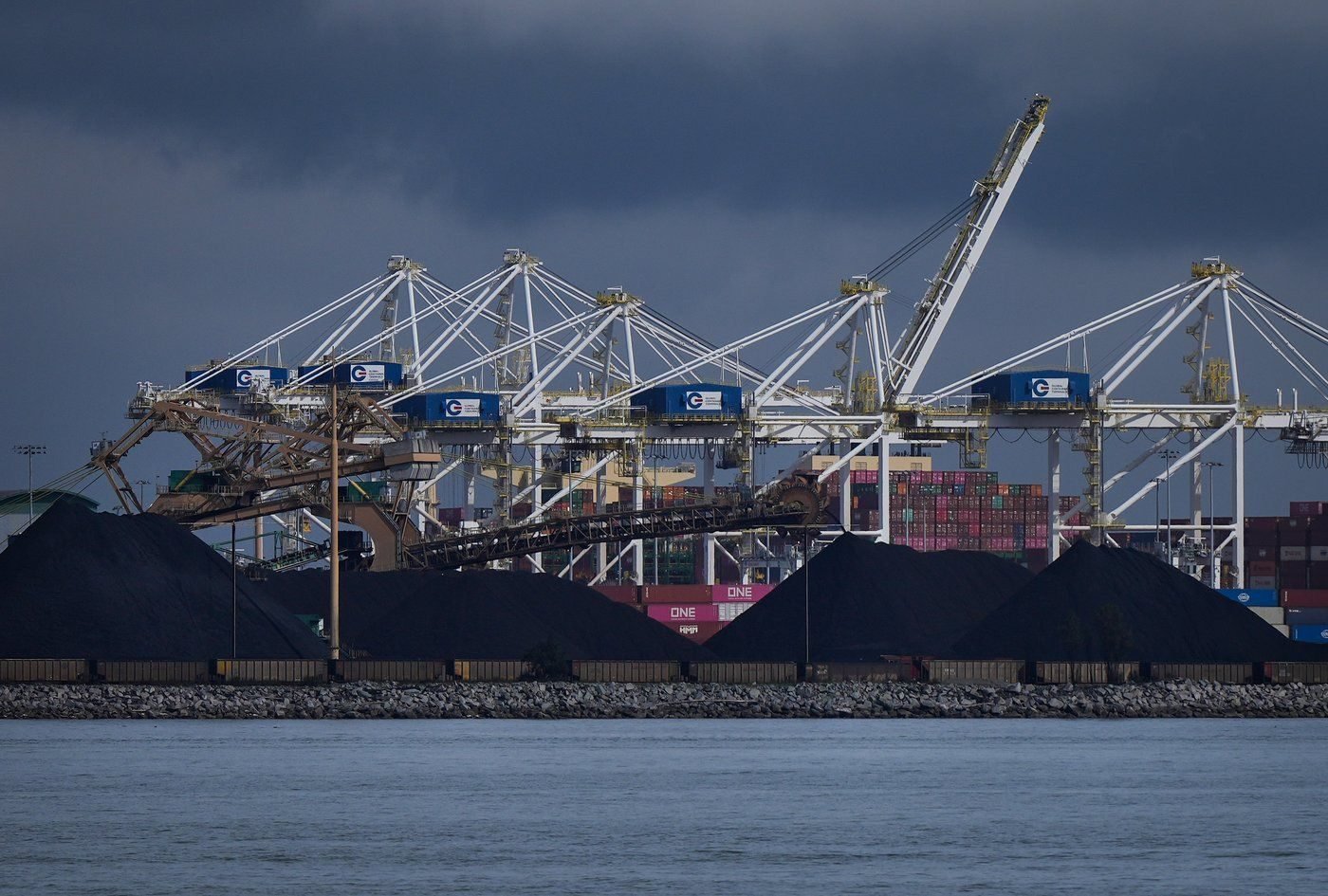
Under the Building Canada Act, projects with national interest status get a single conditions document instead of multiple federal permits, a shift that could carry the terminal expansion past its final regulatory hurdle under the Species at Risk Act.
The federal government is moving to accelerate a major expansion of Canada’s largest port, referring the Port of Vancouver Gateway Strategy to the Major Projects Office (MPO) on Thursday and taking the first steps toward designating the long-delayed Roberts Bank Terminal 2 project as one of national interest under the Building Canada Act.
Roberts Bank Terminal 2, a proposed three-berth terminal that would increase the port’s container capacity by 50 per cent, just as Canada seeks to diversify its trading partners away from the United States.
After years of bottlenecks caused by the pandemic, climate events and labour disputes, the Port of Vancouver handled record cargo volumes last year.
Ottawa says the effort to double Canadian exports to non-U.S. markets by 2035 cannot be met without significantly more capacity on the West Coast.
Earlier this month, Prime Minister Mark Carney pledged $10 billion in federal support for the Roberts Bank terminal expansion as part of a broader agreement with British Columbia — a deal widely seen as clearing a path for a new West Coast oil pipeline to be partly built, financed and operated by federally owned Trans Mountain Corp.
He said the $10 billion isn’t a final investment decision but reflects the broader scope of the project, such as container and bulk capacity, environmental protections, and possible additional infrastructure.
As part of its submission to the Major Projects Office, Alberta signals the terminal would proposed endpoint of Alberta’s West Coast Pipeline, a line that would move more than one million barrels a day to Asian markets — and, according to Alberta’s submission, would require Roberts Bank to accommodate large oil tankers with two new loading berths.
The Roberts Bank Terminal 2 project has spent more than a decade in environmental assessment and regulatory review, completing its federal impact assessment in 2023. The port authority has signed Mutual Benefit Agreements with 27 First Nations and is now working to secure the final permits needed before construction can begin, including one under the Fisheries Act.
Under the Building Canada Act, projects with national interest status get a single conditions document instead of multiple federal permits, a shift that could carry the terminal expansion past its final regulatory hurdles.
The government says in a news release that the Major Projects Office will immediately begin consulting with Indigenous communities about listing the project under the Building Canada Act.
Environmental concerns
The “Gateway Strategy” also includes a focus on addressing chokepoints within the port infrastructure, including finding more land for bulk export terminals and improving rail congestion into the port.
Critics of the terminal expansion express concerns the project would have irreversible impacts on the Fraser River estuary and killer whales, among other species. The government is pairing Thursday’s Major Projects announcement with a reiteration of various marine protection initiatives.
In 2023, shortly after the federal government approved the project, four conservation groups — the David Suzuki Foundation, Georgia Strait Alliance, Raincoast Conservation Foundation and the Wilderness Committee, represented by Ecojustice — filed for judicial review of the approval, followed by a second challenge arguing the government had breached the Species at Risk Act.
The groups’ central claim was that the terminal would destroy chinook salmon habitat in the Fraser River estuary that endangered Southern Resident killer whales depend on for food, harm the project’s own review panel found could not be fully mitigated.
Then-environment minister Steven Guilbeault acknowledged the significant adverse effects but deemed the project justified, attaching 370 legally binding conditions, the most ever imposed on a Canadian project. In January 2025, the Federal Court dismissed the challenge, ruling that the decisions by the minister and cabinet were reasonable.
More to come…