dailynewsnblog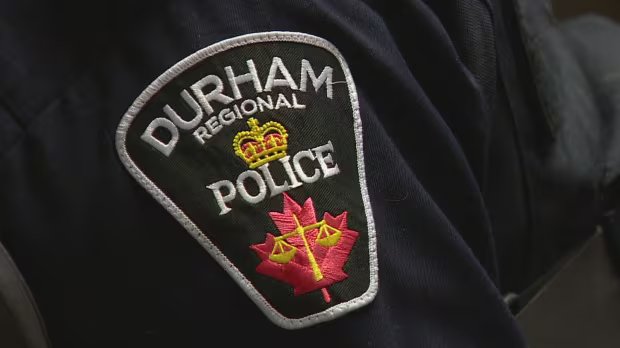

Listen to this article
Estimated 4 minutes
The audio version of this article is generated by AI-based technology. Mispronunciations can occur. We are working with our partners to continually review and improve the results.
Over 200 incidents and $2.6 million in financial losses in the Durham Region have been linked to a network of what investigators are calling “criminal tourism,” where legal visitors come from abroad to commit profit-driven crimes before leaving Canada, police say.
Durham police announced the results of Project Jetsetter Friday, which since 2019 has led to 46 arrests and nearly 1,500 charges laid in Durham Region and the Greater Toronto Area.
Through multiple investigations, police targeted organized groups, often linked to international criminal networks that travel to Canada to commit a wide range of crimes, police said. They include large-scale retail theft, vehicle-purchasing scams, vehicle financing fraud and staging collisions to commit insurance fraud.
A rise in jewelry distraction thefts is also connected to criminal tourism, Durham police Chief Peter Moreira told reporters at a news conference Friday, with vulnerable people like seniors disproportionately targeted.

London, Ont. resident Gail Hoevenaars says a friendly conversation took a sudden turn when thieves stole a bracelet and necklace off her body without her even knowing. She says it wasn’t until after the thieves drove away that she realized what happened.
“They will exploit opportunities wherever they exist, and while the methods may vary, the goal remains the same: to profit at the expense of our residents, our businesses and communities,” Moreira said.
Det. Brad Chapman said the majority of suspects and accused are from Romania, and a smaller number are from India.
“They travel quite frequently from jurisdiction to jurisdiction, they come here and they commit criminal offences, and a lot of times, they leave the country before we can identify who they are,” said Chapman.
This makes tracking and enforcement complex, he said, with 164 suspects connected to the investigations still wanted.
“This activity is not unique to our region. We are seeing the same individuals, the same methods, and the same networks operate across the Greater Toronto Area and across Canada,” Chapman said. “These groups are mobile, coordinated, and in many cases connected to a broader organized crime network that extends beyond our borders.”
As the Toronto area prepares to welcome thousands of visitors for the World Cup this month, Chief Moreira said Durham police will continue to work with provincial, national and international partners to disrupt these networks.
Police warn of common scams, urge public vigilance
Moreira also urged the public to be aware and remain vigilant of criminal tourism, and to report suspicious activity to local police.
Common criminal tourist schemes include what Det. Chapman called the “dirty oil scam.”
Suspects contact people selling their vehicles and deliberately damage it during a test drive or viewing to negotiate a lower price, he said.
Police also warned people to beware of thefts where suspects distract targets to steal jewelry, bank cards or pin numbers. These crimes have gone up 268 per cent since last year, they said.
“In some cases, victims may not even be aware they’ve been targeted,” Chief Moreira said. “For example, suspects may approach a senior asking for directions, and then offer a hug or gift, such as a necklace, while removing the victim’s real gold jewelry and replacing it with a fake.”
Other common crimes found in the investigation include suspects rolling back odometers on vehicles they are selling to increase their resale value, without putting the vehicle in their name, making it harder to track them, Chapman said.
Suspects have also used fraudulent identities or documentation to buy vehicles, before transferring and exporting them to organized crime groups outside Canada, he said.