AT&T, T-Mobile And Verizon Have Officially Teamed Up To End Coverage Gaps


This is likely an attempt to get ahead of potential rivals like Starlink and Leo.

AT&T, T-Mobile and Verizon have teamed up to try to eliminate mobile coverage dead zones. The three companies have entered into an unnamed joint venture that will use satellites to help close coverage gaps in areas where traditional service is limited. This is designed to complement pre-existing mobile networks.

The companies first announced that they would be pooling their resources to expand satellite coverage back in May, and now we have more details. The venture will be managed by a board with representatives from each company and there’s already an interim CEO, a guy named Paul Roth who has plenty of experience in the industry.

A press release describing the venture promises that it will “nearly eliminate dead zones in the US currently without mobile service,” which is certainly good news. The companies also tout “reliable connectivity in emergencies” when typical ground-based networks are unavailable. The companies have even promised that traditional customers will get improved network performance, as there will be “simpler access to satellite services across providers.” This should speed up feature updates and prevent connection drop-offs.

All of this sounds good for consumers, but the real reason these companies have teamed up is likely to hedge against competition from dedicated satellite mobile providers like Starlink and Amazon’s Leo. Unfortunately, we don’t have any details as to when this joint venture will begin offering connectivity in dead zones throughout the US. It sounds like things are still in the early stages.


Source link

  • Related Posts

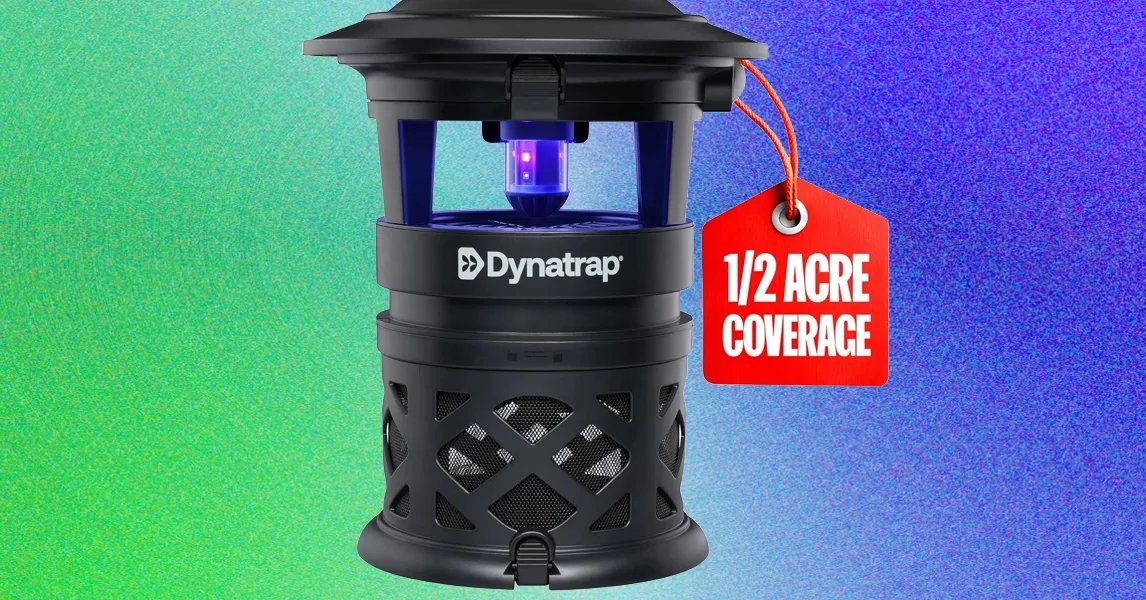
    Best Mosquito Repellents for Your Yard: What Works and What Doesn’t (2026)

    Mosquitoes suck. Literally, figuratively, and every other way. These bloodsuckers have been a worldwide menace since the beginning of recorded history. A popularly reposted infographic lists them as—by far—the world’s…

    Continue reading
    Slovenia’s .si domain sees a surge in registrations after Trump’s ‘super intelligence’ order

    In not-so-surprising news, the .si domain name is seeing unprecedented demand after President Trump signed an executive order mandating all government agencies to refer to “AI” and “artificial intelligence” as “SI” and…

    Continue reading

    Leave a Reply

    Your email address will not be published. Required fields are marked *

    You Missed

    Is Vanderbilt QB Jared Curtis playing against Georgia football?

    Is Vanderbilt QB Jared Curtis playing against Georgia football?

    Open-weight AI models are more vulnerable to manipulation and can lack oversight. Here’s what to know.

    Open-weight AI models are more vulnerable to manipulation and can lack oversight. Here’s what to know.

    Best Mosquito Repellents for Your Yard: What Works and What Doesn’t (2026)

    Best Mosquito Repellents for Your Yard: What Works and What Doesn’t (2026)

    The Other One: Jordan Magnuson’s Game Poem jam is a fascinating collection of chimeras

    The Other One: Jordan Magnuson’s Game Poem jam is a fascinating collection of chimeras

    Yes, B-1 Lancer Crews Are Now Logging Proficiency Hours In A Honda Business Jet

    Yes, B-1 Lancer Crews Are Now Logging Proficiency Hours In A Honda Business Jet

    Slovenia’s .si domain sees a surge in registrations after Trump’s ‘super intelligence’ order

    Slovenia’s .si domain sees a surge in registrations after Trump’s ‘super intelligence’ order