dailynewsnblog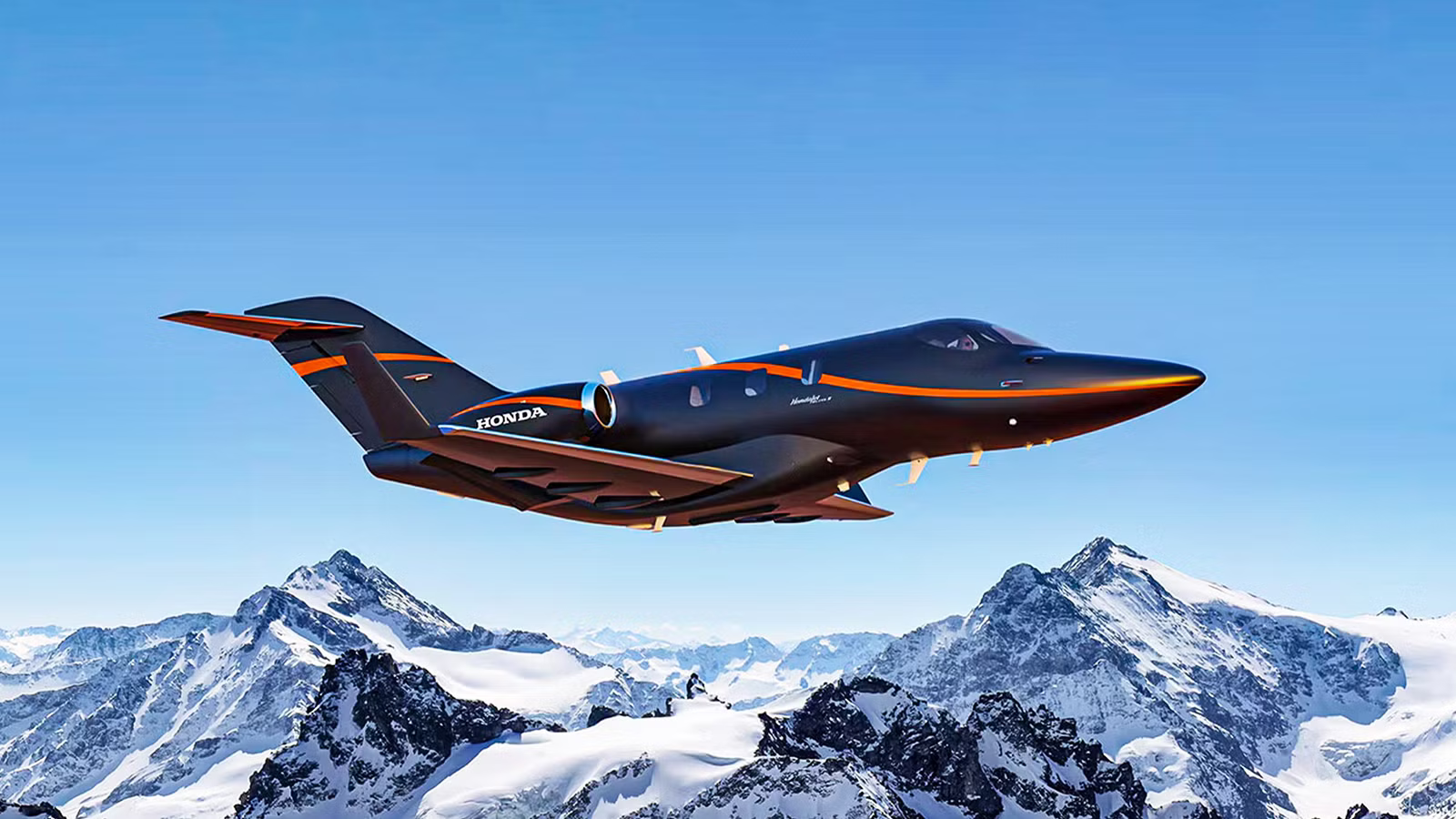
The US Air Force has made headlines recently with divestments of legacy airframes, bringing the total fleet inventory to the lowest point since the end of WWII. At around 4,900 aircraft in total, the USAF has a shortage of combat-capable bombers, fighters, and every other airframe as well. In addition to limiting its deployable squadrons, it is also making it more challenging to keep pilots current on training flights.
This has led to an innovative solution involving the most economical bomber-like plane available in the private sector. Although a supersonic heavy bomber and a 422-knot light business jet have almost nothing in common, both directly contribute to the flight time that keeps USAF bomber pilots qualified. The arrangement is formally called the Bomber Supplemental Trainer for Aircrew Readiness, or BSTAR.
At the Air and Space Forces Association’s Air, Space and Cyber Conference on September 17, General Stephen L. Davis, commander of Air Force Global Strike Command, confirmed the program. Specifically, the HondaJet is being used to help Rockwell B-1 Lancer pilots log flight hours while their own aircraft sit in the maintenance bay. So how did the world’s most powerful air force, and one of only three with bombers in its Fleet, reach this point?
A Fleet That Cannot Fly Its Own Pilots Enough

As a result of its long career, the airframe of the B-1 Lancer isn’t what it used to be. The B-1’s mission-capable rate fell from 55% in fiscal 2022 to 43% in fiscal 2024. Similarly, the Northrop Grumman B-2 Spirit stealth bomber fleet has been slipping from roughly 59% in fiscal 2021 to 52.8% in fiscal 2022. The famous flying wing is one of the most notoriously high-maintenance aircraft ever built, but the B-1 is not far behind it with its swing wings and supersonic mission profile, which calls for ‘yanking and banking’ just above the nap of the Earth.
Bomber-wide, mission-capable rates across the B-1, B-2, and Boeing B-52 Stratofortress fleets averaged just over 50% in fiscal 2024, Air and Space Forces Magazine reported. That is distributed on a combined bomber inventory of 140 aircraft spread across nine squadrons. The combined average age of all those airframes is nearly 50 years, with the B-52 being the oldest but also averaging the highest readiness.
A fighter squadron with half its jets grounded is a problem. However, a bomber squadron with half its jets grounded is a crippling blow to a tiny force. While the entire US bomber force once reached a peak of 422 planes in the Cold War, the current force levels are likely to only grow smaller in the future. But not only leaves fewer planes for missions, but also fewer aircraft to fly for training. So, if the jets are not available, what exactly does a pilot do to stay proficient?
Renting Business Jets To Keep Crews Current

During a panel titled ‘Flying and Fixing to Fight and Win,’ Davis explained that bringing in the HondaJets helps provide vital flight experience. XSTAR Aviation grew directly out of a USAF Global Strike Command study into the same aircrew readiness gap it now exists to solve. Under BSTAR, XSTAR supplies the Air Force with HondaJet Elite light business jets to address its pilot readiness issue while it works on remedying the fleet readiness.
The plane is a twin-engine civilian aircraft built by Honda Aircraft Company that cruises at up to 422 knots, reaches a service ceiling of 43,000 feet (13,106 meters), and is powered by a pair of GE Honda HF120 turbofans. These light jets give pilots a chance to fly and log crucial time in the seat.
The HondaJet Elite itself is a twin-engine light jet measuring 43 feet (13.11 meters) long with a 40-foot (12.19 meters) wingspan. Its two GE Honda HF120 turbofans each produce roughly 2,050 pounds of thrust. It is true that the plane is diminutive by comparison to the enormous bombers of the USAF. It is a machine designed for regional corporate travel rather than anything resembling heavy bomber operations.
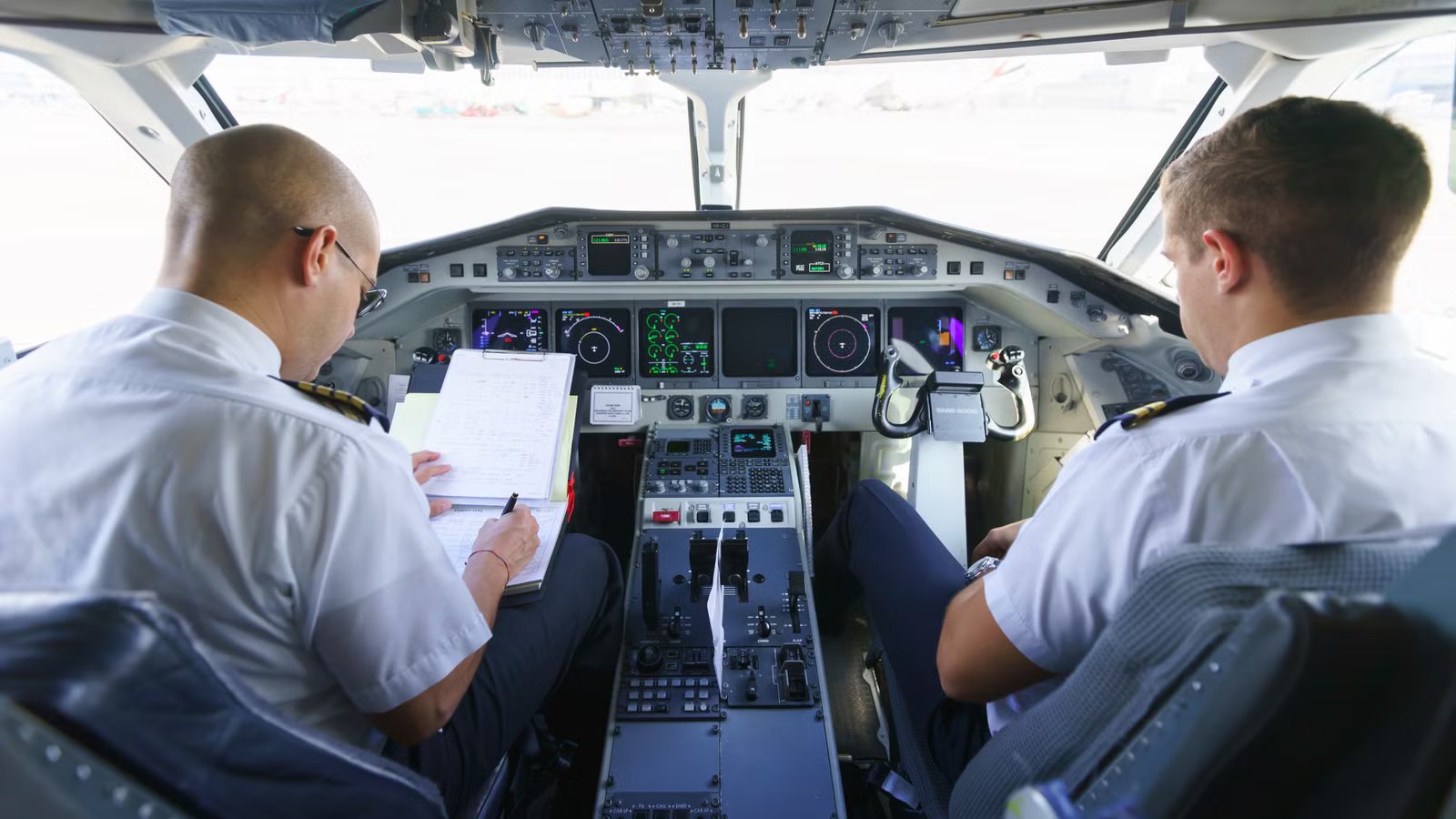
Still, the logic behind using the Honda Jet is straightforward. It saves a great deal of funding for maintaining basic flight currency and depends heavily on instrument flying, approach work, and general stick time. A light jet can sustain these foundational skills. This practical workaround allows pilots to keep their core aviation instincts sharp while their primary aircraft are grounded.
What Grounded The Bombers In The First Place

The B-1 Lancer, fondly known as the Bone, was made to penetrate Soviet airspace using sheer speed and maneuverability. The huge plane first flew in October 1984 and was delivered between 1985 and 1988, originally entering service as a nuclear penetrator before converting exclusively to conventional roles in the 1990s.
Today, the Lancer stands as the Air Force’s sole carrier of the Long-Range Anti-Ship Missile. Its swing-wing airframe can haul up to 75,000 pounds (34,019 kg) of ordnance, more than any other aircraft in the US inventory, but that massive capability now rides on an active fleet that has shrunk to roughly 45 airframes from an original production run of 104.
Air Force officials have pointed to a combination of funding, parts, and workforce shortfalls as the primary drivers behind falling mission-capable rates across the entire aircraft inventory. The consequences of these thin flying hours are far from abstract. Colonel John ‘JV’ Venable wrote an analysis of the state of the fleet for Air and Space Forces Magazine in mid-2025.
The Hazards Of Deprioritizing Flight Time

Venable noted that the bomber fleet was struggling, and in at least one mishap, the pilot had a paltry number of hours in recent months: “US bomber crews are in even worse shape [than fighters]. Years of underfunding flying-hour programs and weapons system sustainment accounts make it unlikely that a single bomber squadron can execute peer-level mission requirements within their respective designed operational capability statements.”
“Employing forces that are not trained for a high-end fight would undoubtedly suffer higher loss rates, not just in combat, but during the more benign phases of flight, like taking off and landing. Recent accident reports, like one that followed the January 2024 crash of a B-1, confirm this. That $300 million bomber was lost during a routine instrument approach into its home field. The mishap pilot had three sorties in the previous month, and the instructor pilot had just two in the previous 60 days.”
That accident serves as the immediate backdrop against which BSTAR was conceived, and it fits a dangerous pattern the Air Force has acknowledged across its entire combat aviation community. Aviation analysts have documented a fighter pilot shortfall that has grown from 200 pilots in 2006 to roughly 1,150 today, driven in large part by a lack of available aircraft for pilots to train on. This same dynamic, fewer flyable airframes chasing the same strict currency requirements, applies just as directly to the bomber community.
A Parallel Push to Fix the Bombers Themselves

While BSTAR treats the immediate symptoms of thin flying hours, the Air Force has also launched a major effort aimed at fixing the underlying cause. In September, Air Force Global Strike Command partnered with Air Force Materiel Command and the Defense Logistics Agency to launch the North Star Readiness Campaign.
This initiative is explicitly designed to raise the number of mission-capable B-52 and B-1 aircraft by speeding up the delivery of vital spare parts, engineering support, and depot-level maintenance. General Davis of AFGSC commented on the initiative earlier this month, saying:
“The North Star Readiness Campaign is our commitment to ensuring the warfighter has the nation’s bomber force ready to go at a moment’s notice. This is a team effort. It brings together the operators at Air Force Global Strike Command, the acquisition and sustainment experts at Air Force Materiel Command, and our logistics partners at the Defense Logistics Agency to focus on one thing: operational readiness.”
“By modernizing these incredible platforms and ensuring our maintainers have the parts and support they need, we are sending a clear message to our adversaries and allies alike that the United States’ long-range penetrating strike capability is, and will remain, second to none.”
Making Do To Accomplish The Mission

BSTAR is a readiness story about a bomber force so depleted, at just 140 aircraft compared to a Cold War peak in the hundreds, that the Air Force decided renting civilian aircraft was a more reliable path to pilot currency than waiting for its own maintenance pipeline to catch up.
Davis candidly acknowledged that the program exists because so many airframes face ongoing readiness challenges, a plain admission that the solution is not entirely within the Air Force’s own hands yet. Whether this pays off depends on two timelines staying roughly on schedule: the North Star Readiness Campaign for the B-52 and B-1 fleets, and the B-21’s smooth transition to a combat aircraft.
Until both objectives are met, a small fleet of light jets will continue doing quiet, unglamorous work that no high-profile press release ever mentions. These corporate jets will keep giving Lancer crews just enough stick time to stay current on paper while their own supersonic bombers wait in the hangar.