dailynewsnblog
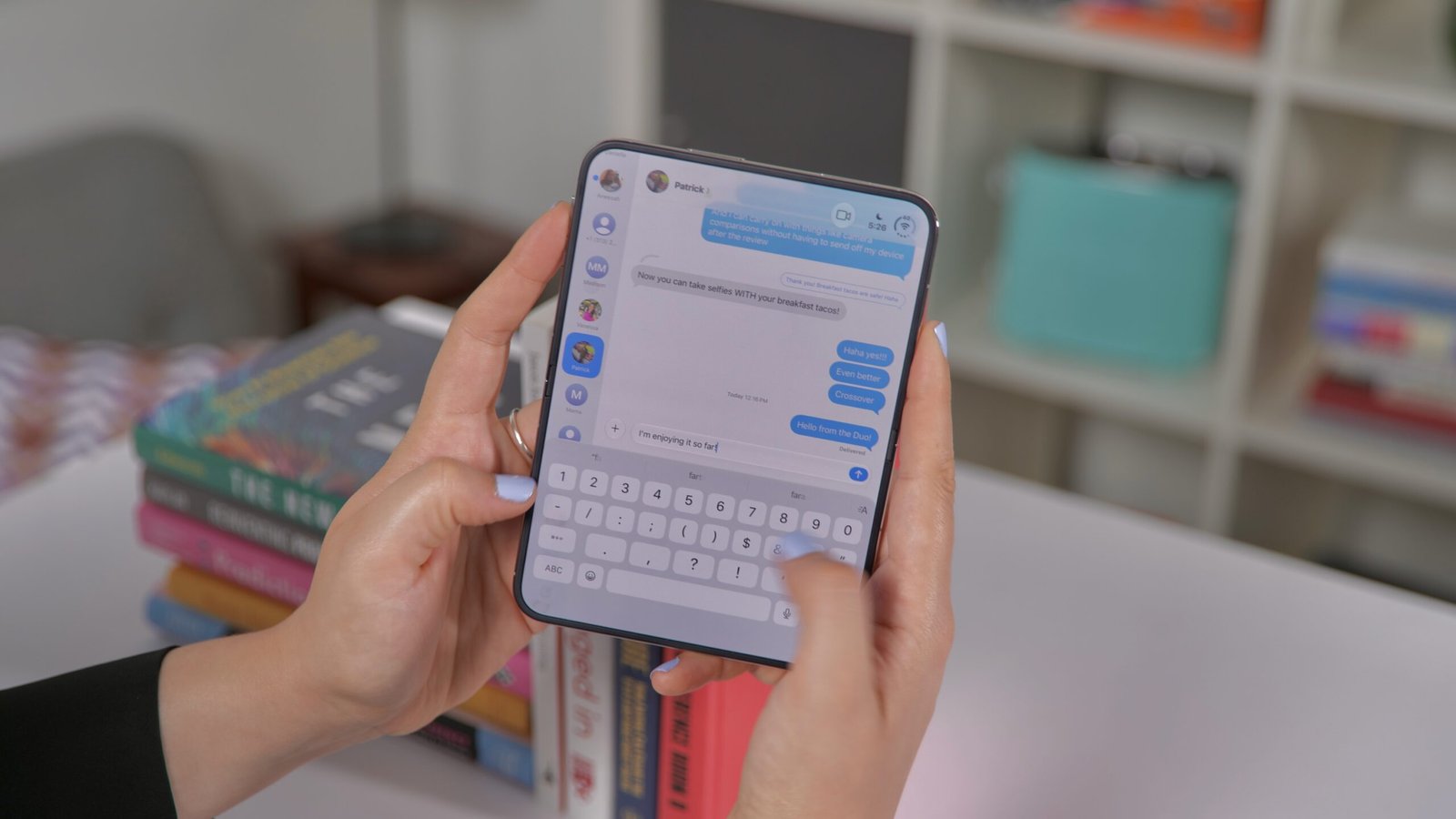

Apple’s new iPhone Duo, which officially goes on sale on Friday, should be getting the Reachability accessibility feature later this year, according to reporting by Wired. Reachability is a setting that lets you move the top half of your phone display down, making apps and buttons easier to reach with one hand.
If the $1,999 iPhone gets the feature for its wider screens, particularly its 7.6-inch inner display (which is only slightly smaller than the 8.3-inch iPad Mini), it should make it easier for folks to reach elements on the left or right edges of the screen.
Reachability has been part of iOS since 2014, with the iPhone 6 and 6 Plus, which had 4.7-inch and 5.5-inch screens, respectively. The iPhone Duo’s outer display is 5.4 inches, and it would make sense for Apple to continue updating it to be easier to use.
While Apple hasn’t said how Reachability might work on the iPhone Duo, there is speculation that it will help left-handed users, or those with shorter fingers or smaller hands, navigate the screen both horizontally and vertically. Apple representatives didn’t immediately respond to a request for comment.
The Duo has already been a preorder smash, with estimated ship dates stretching into January.

While early reviews on Apple’s first foldable iPhone are largely positive, some apps and services haven’t yet been optimized to fill the displays.
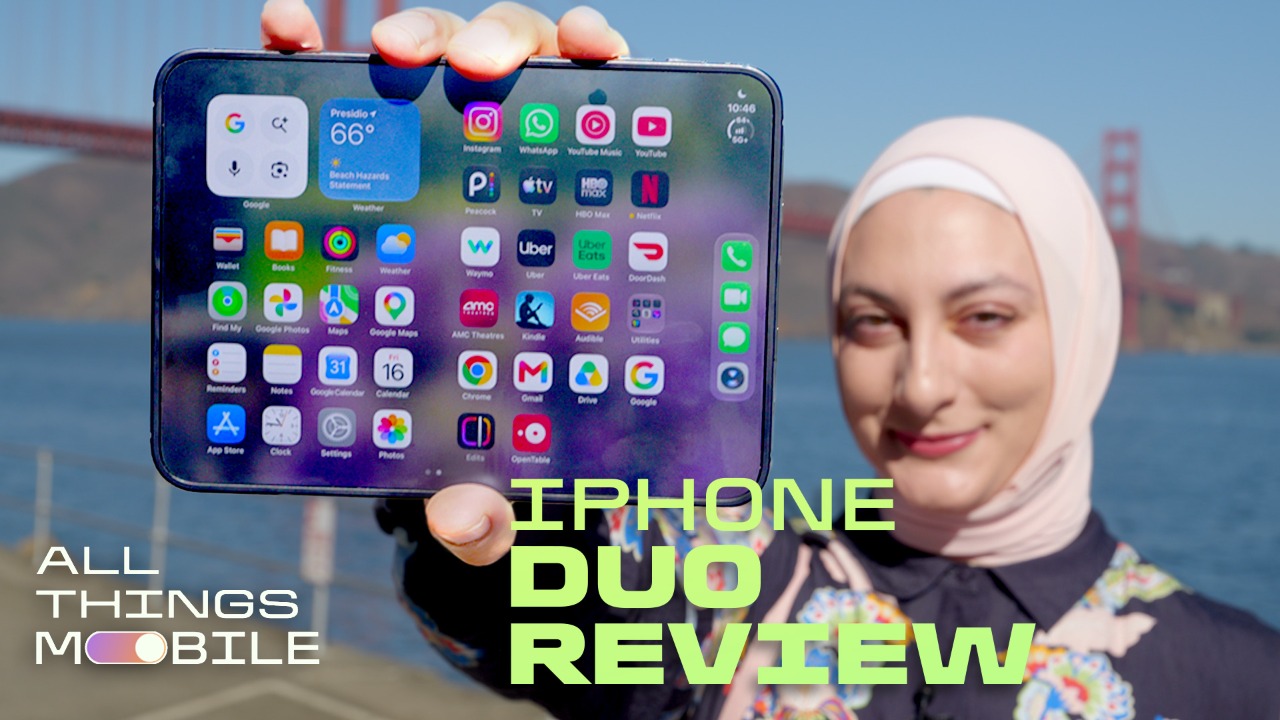
In her iPhone Duo review, CNET’s Abrar Al-Heeti noted that controls like the App Dock and Dynamic Island sit on the right side of the Duo’s cover and inner displays, which makes the phone geared for right-handed, not left-handed, use. “My condolences to all the lefties, as you can’t shift controls to the other side of the screen,” she said in her review.
Al-Heeti told me that the Duo’s 5.4-inch cover screen is relatively compact, and that it would be great to have the Reachability feature on the larger 7.6-inch display. “In my experience, tapping through apps is easy enough with two hands, but Reachability could make it feel less unwieldy and therefore even more versatile by enabling one-handed gestures,” she said.

See full bio