dailynewsnblog
There’s a reason Americans have cited energy costs as one of the biggest issues on their minds during this year’s elections: A new survey by Consumer Reports found that, among Americans who’ve lived in the same home for more than three years, the vast majority are paying more for energy now than three years ago — and it’s affecting their budgets.
Three out of four surveyed families reported that the utility rate increases have resulted in strained household finances. Over a quarter of these US customers said their bills rose by 20 to 49%, while 6% of respondents reported rate hikes of over 50% in the past three years. Electricity rates have risen dramatically in recent years.
People are increasingly choosing between necessities as purse strings tighten.
One in four families chose to adjust the thermostat to uncomfortable levels in the summer and winter. Other folks are choosing to cut back on non-essential spending, like eating out and traveling. In the most dire cases, Americans are choosing to slash grocery budgets. About 20% of people surveyed told Consumer Reports that they’re buying less food or are switching to less expensive options.
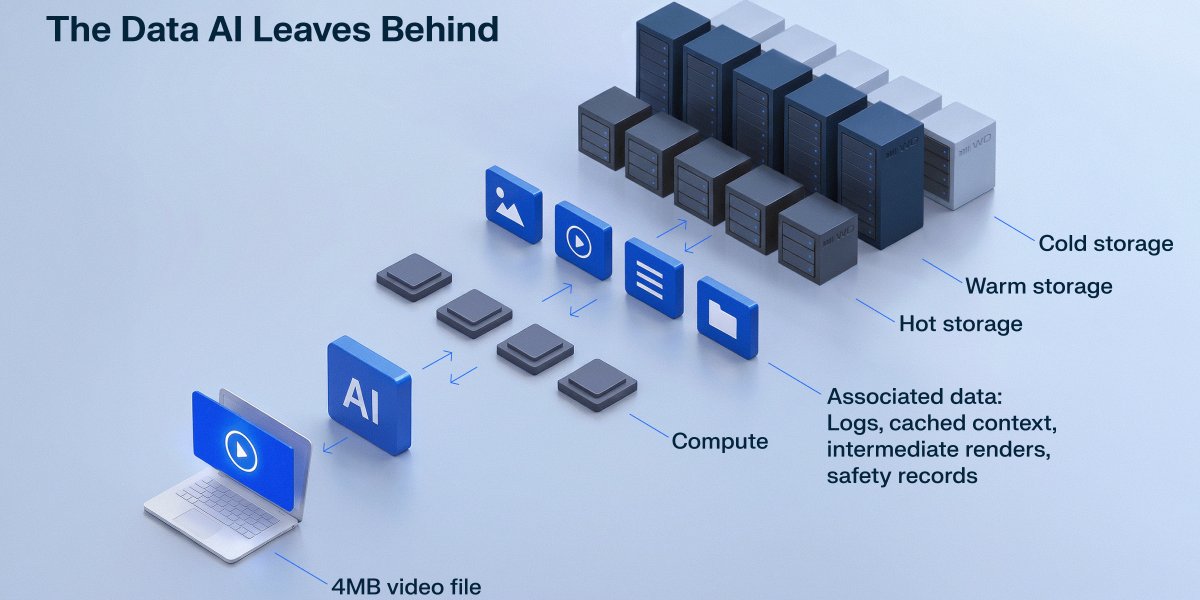
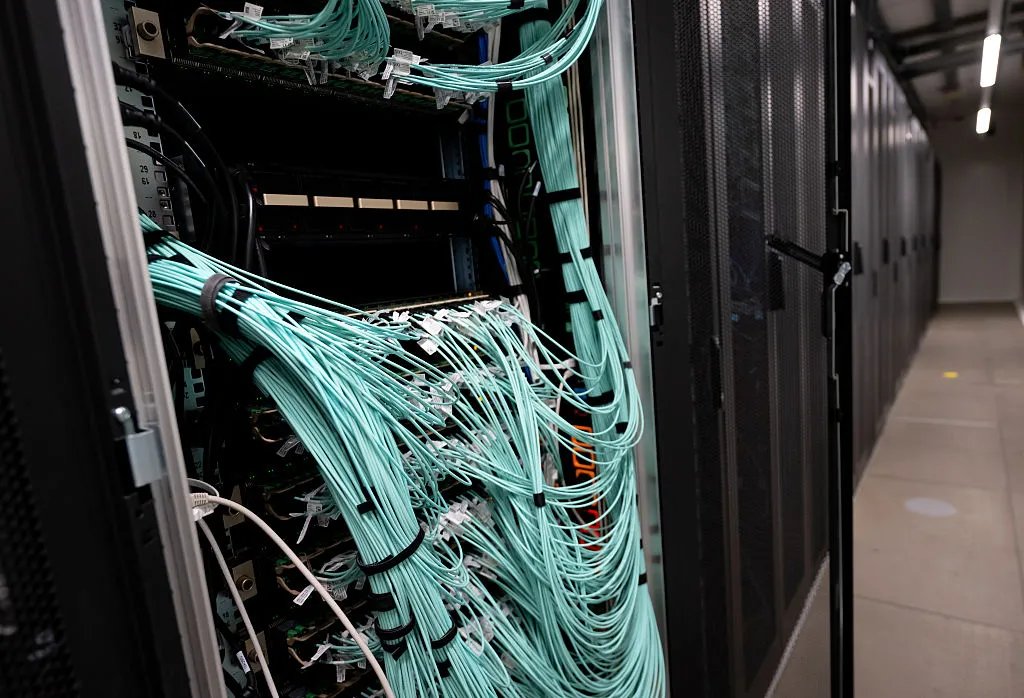
The two largest factors that ratepayers attributed their increased electricity bills to are utility company profits and AI infrastructure. As data centers continue to proliferate across the country, over 75% of people surveyed said they don’t trust their state lawmakers to protect them against rate increases.
Across the political spectrum, the vast majority of US voters oppose AI data center construction in their backyard. These facilities contribute to rising electricity costs, local water contamination and fossil fuel pollution. While supporters argue that constructing and operating data centers creates new jobs, critics say these economic benefits are temporary and have a limited impact on the local community.
When asked about potential solutions, most Americans pointed in the same direction: More regulation for AI data center owners, utility companies and appliance manufacturers.
More than 80% of people surveyed said that utility companies should create a separate rate category for data center-sized users while 50% of respondents said they think it’s unacceptable for utility companies to pass on expenses to residential customers through higher rates.
But the levers to make any of those changes remain in your lawmakers’ hands, so the question remains: What can you personally do to save on your electricity bills?

Energy-efficient appliances can help — a bit
You may not have much direct control over how much a kilowatt-hour of electricity costs, but you have some say in how many kilowatt-hours you use. Taking a close look at your home’s energy efficiency could save you, at least a little bit.
Energy-efficient appliances will also help you complete the same household tasks for a much lower cost. While President Trump’s administration has threatened to axe the Energy Star program, the government initiative is still kicking and can help you save money while hunting for anything from new refrigerators to smart plugs and thermostats.
Energy Star labels are proof that a product meets certain efficiency standards. The official Energy Star website allows you to search through different categories to find accredited products that you need.
If you aren’t in the market for a new appliance (or you’re a renter with less agency over your living space), there are some seasonal energy-saving lifehacks that can still save you a pretty penny.
As winter arrives at our doorstep, you’ve got a balancing act between limiting your energy consumption and staying comfortable. The easiest way to keep the heating bill down is to insulate your home, preventing some of that chill from seeping in to start with. And keeping key areas insulated, like your water pipes, will also retain precious heat and save electricity there (while keeping pipes from freezing and breaking). If your utility usage is still too high, we have other winter tips you can turn to instead.
There are also tons of year-round tips you can practice for free. Completely turning off electronics instead of leaving them in sleep mode, ensuring you turn off the lights when you leave a room and moving your thermostat to the right place are just some of the dozens of easy ways you can consciously save money. You don’t even have to follow all of these tips – picking and choosing a couple of the easiest ones will stack up some quick savings.
Of course, if you’re still trying to figure out what your bill means, Consumer Reports also debuted a new bill decoder tool to figure out what’s driving up your utility bills and advocate for yourself. The free site allows you to upload your bills to break down confusing pricing information before offering access to any money-saving resources or programs near you. It also helps Consumer Reports track trends and gather evidence to fight for lower rates. Before you share a utility bill with anyone, whether it’s a nonprofit or even an AI chatbot, be clear what data you’re sharing, what they’re going to do with it and how they’ll keep it secure. You can always cross out or redact information like your name or address.

See full bio