dailynewsnblog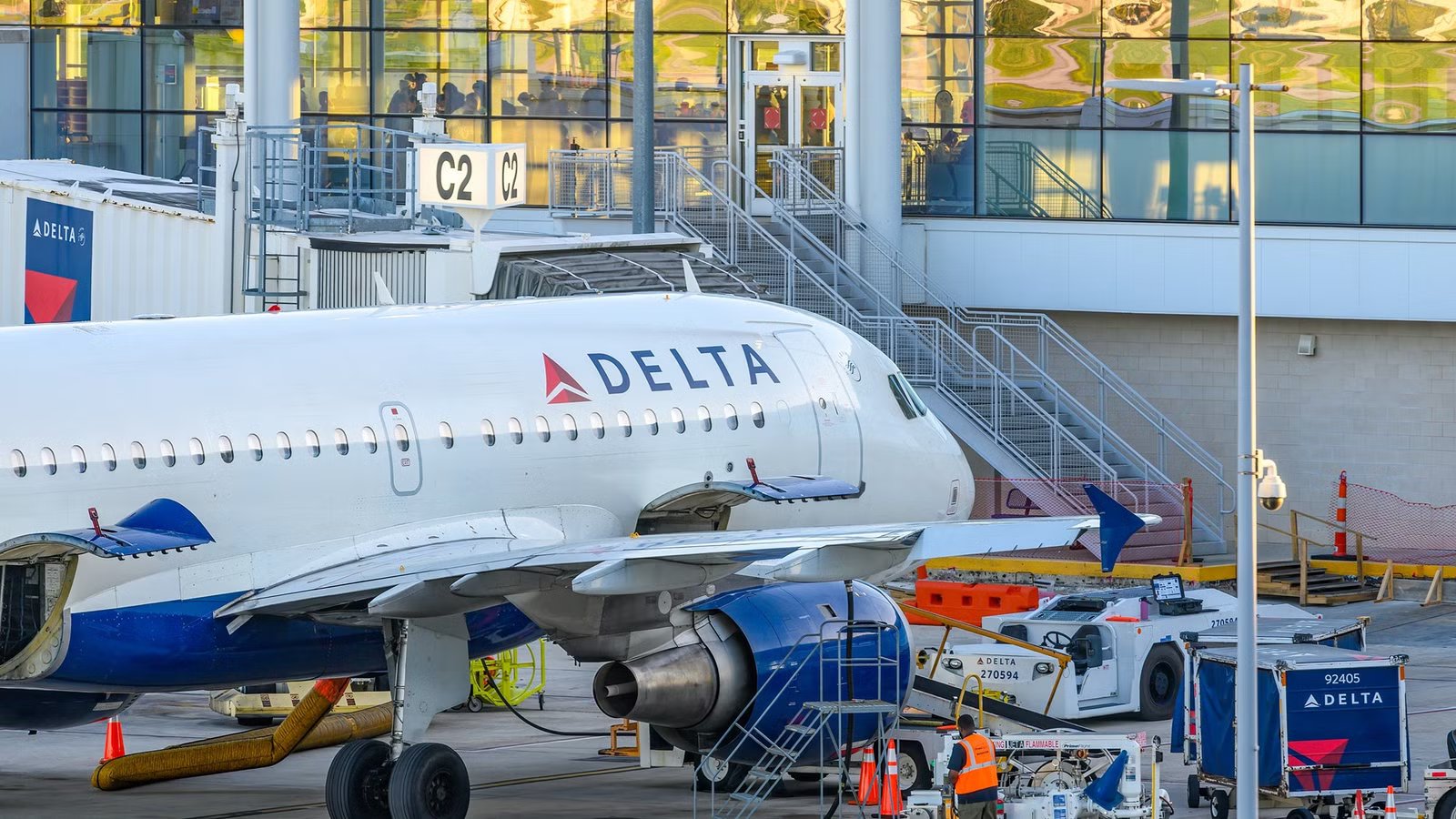
A class action lawsuit against  Delta Air Lines has been cleared by a federal judge, which has been brought by current and former pilots who have alleged that the Atlanta-based airline discriminated against them for being service members by denying paid leave for short-term military deployments.
According to Atlanta News First, US District Judge Sarah Geraghty of the Northern District of Georgia issued the order on Friday, August 7, granting the plaintiffs’ motion to proceed with a class action against Delta. This ruling allows the dispute to proceed to the long-running saga brought by thousands of Delta pilots who have served in the US Armed Forces or reserves over the last two decades.
Class Action For Discrimination Against Service Members

Initially filed in 2021 by Patrick Haley, Randal Reep, and Benjamin Best, the three alleged that Delta had violated the Uniformed Services Employment and Reemployment Rights Act, which, according to the US Labor Department, is designed to protect civilian job rights, prevent employment discrimination, and should guarantee prompt reemployment for individuals who leave their civilian jobs to perform voluntary or involuntary military service.
While the claim notes that Delta provides fully paid leave for short-term civil and personal absences (including bereavement leave, sick leave, or jury duty), force members must take unpaid leave for short-term military service.
Governed by the Pilot Working Agreement (PWA), Delta pilots are protected through this collective bargaining agreement, which is negotiated with the pilots’ union. The PWA requires Delta to compensate pilots for several categories of short-term absences, but it excludes short-term military leave under 30 days.
Delta Argues The Calculation For Individual Damages Is Impractical

The  SkyTeam partner has opposed class certification and continues to argue that the administrative complexity of calculating individual damages for each pilot outlined in the lawsuit is impractical, but the judge has rejected this argument. Judge Geraghty ruled on the central legal question: whether Delta’s current uniform leave policy violates federal law.
If found to be a violation, it would apply across the entire workforce, and the court has noted that the jury should evaluate the comparability of short-term military leave to other paid leaves using basic common evidence, including the purposes, employee control, and average duration of various types of leave.
The case now moves toward trial or out-of-court settlement proceedings. No specific trial date or final court date has been formally set yet. If needed, the court will set scheduling orders and any trial date through the official court docket. This ruling does not mean Delta is guilty; it means pilots can pursue claims collectively, expanding the potential scope of the lawsuit, including back pay.
More Than 18,000 Pilots Work For Delta

Delta is one of the US big three airlines, and the carrier employs close to 18,000 active pilots. The Air Line Pilots Association (ALPA) suggests the number is 17,281, and the pilots of Delta have been supported by the union since 1934. Delta operates more than 5,000 daily Delta and Delta Connection flights to around 300 destinations worldwide.
Headquartered in Atlanta, the airline is the largest at  Hartsfield-Jackson Atlanta International Airport (ATL) by total passenger numbers and total departures. The airline is one of the oldest operating commercial airlines and began operations in 1929. It remains a founding member of the world’s second-largest airline alliance,
Ranking | Airline | Number Of Passengers | Market Share |
|---|---|---|---|
1st | Delta Air Lines | 84.9 million | 79.98% |
2nd | Frontier Airlines | 6.7 million | 6.36% |
3rd | Southwest Airlines | 4.1 million | 3.88% |
4th | American Airlines | 2.6 million | 2.46% |
The court’s decision for Delta pilots marks an important step for those who feel they were unfairly denied pay while continuing to fulfill their military obligations. For now, the ruling does not determine whether Delta violated federal law, but it allows the pilots to pursue claims together, which could have financial implications for Delta. The case will now move forward, and its outcome will likely shape how military leave is treated in the future for Delta pilots and others who serve in the US Armed Forces.