dailynewsnblog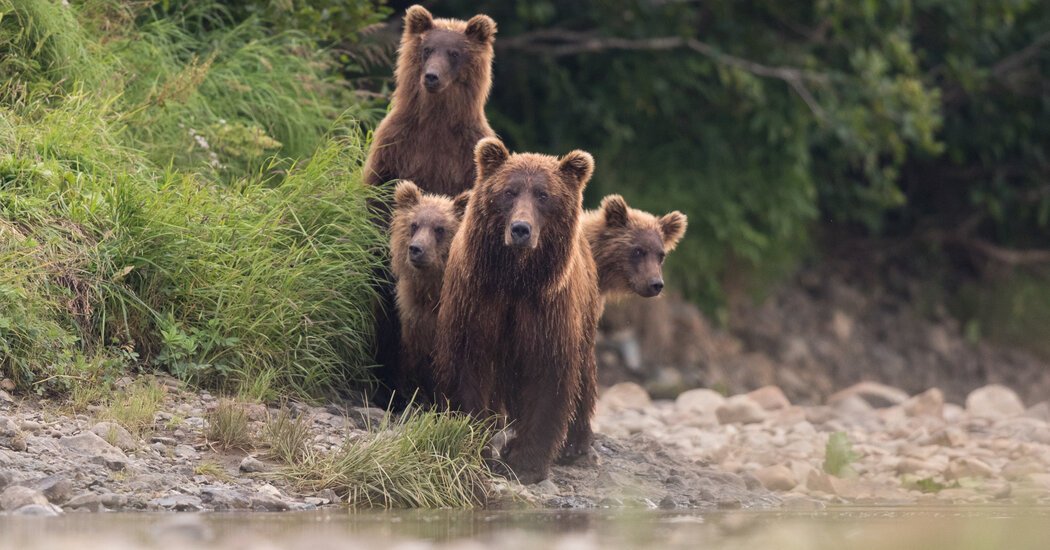
Black and brown bears of any age can be shot, and there is no limit to the number that can be killed under the program, which was authorized in 2022 and is scheduled to continue until 2028. The state killed 191 bears between 2023 and 2025, including 20 cubs in less than one month in 2023, according to the lawsuit and the Wildlife Alliance.
“Any day now the state will continue killing bears from aircraft, including untold numbers of mothers and cubs,” Michelle Sinnott, a staff lawyer for the Trustees for Alaska, which is representing the plaintiffs, said in a statement on Thursday. “It’s a sad day for bears. Predator-control programs should be discarded to the ash heap of history.”
State officials argue that the culling program, which also targets wolves, is a crucial way to increase the size of the caribou herd, known as the Mulchatna, which provides subsistence for local communities. At its peak, in 1997, the herd numbered roughly 190,000 animals, but it soon declined, according to the Alaska Department of Fish and Game. By 2019, the herd had shrunk to roughly 13,000 animals, a drop of 94 percent.
In recent years, however, the population has stabilized and even increased. Last fall, the department estimated that there were over 16,000 caribou in the Mulchatna herd, an increase of 15.7 percent over 2024.
In a newsletter last fall, the Department of Fish and Game said that “evidence suggests predation of calves is the primary limiter of the herd’s recovery.” The agency also acknowledged the dangers of the bacterial illness brucellosis, though it said the disease was not having a major effect on caribou reproduction at the moment.