dailynewsnblog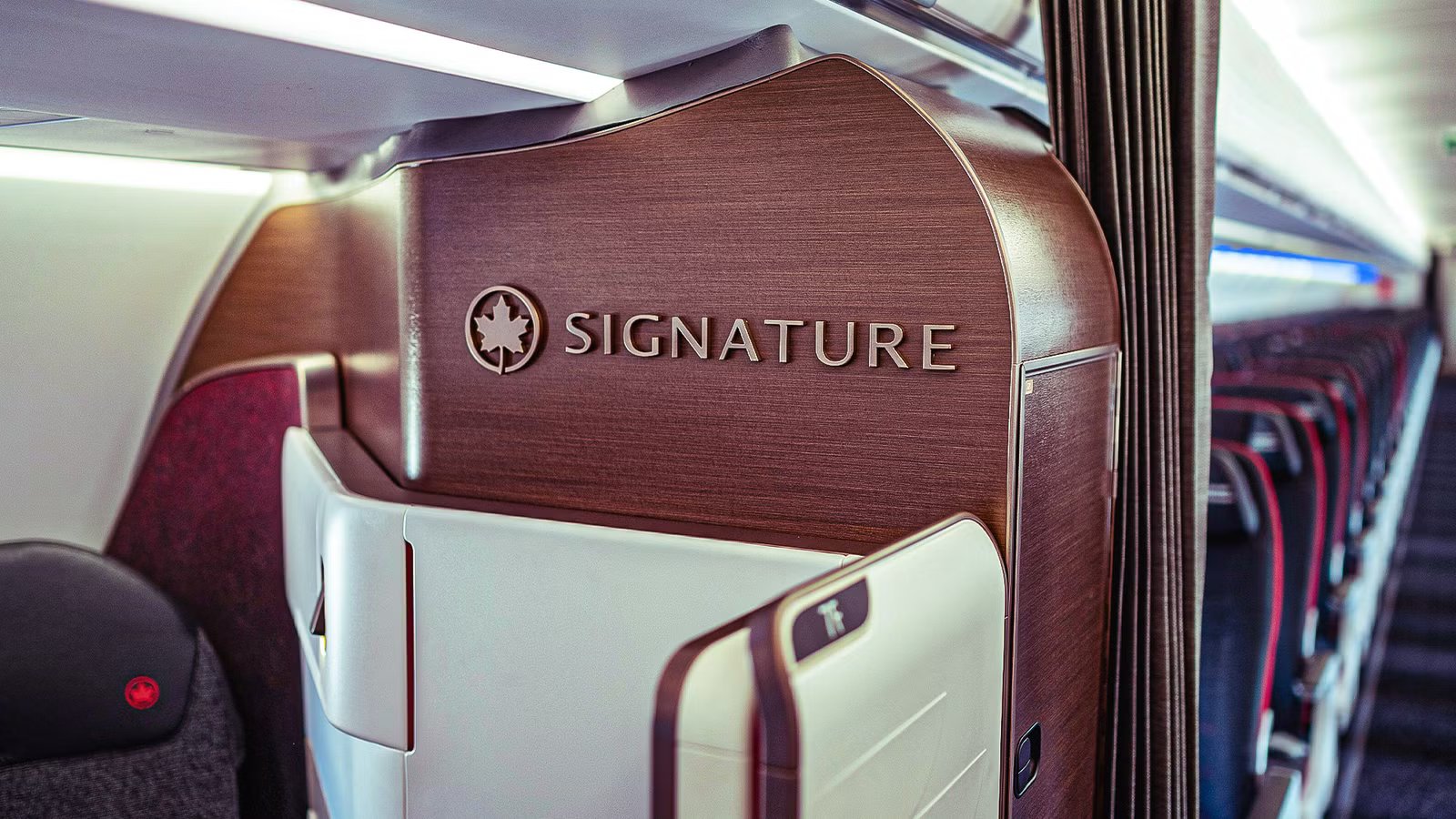
 Air Canada‘s first Airbus A321XLR arrived in April 2026, marking a significant milestone not only for the airline but also for the evolution of long-haul narrowbody flying. While much of the attention surrounding the aircraft has focused on its ability to connect secondary cities across the Atlantic, the cabin layout has generated just as much discussion. Unlike many airlines introducing premium-heavy long-haul narrowbodies, Air Canada has chosen a surprisingly simple configuration with only 14 business class suites, no dedicated Premium Economy cabin, and a large economy section.
The decision highlights a growing divide among airlines adopting the Airbus A321XLR. Some carriers view the aircraft as a miniature widebody and are packing it with premium seats. Others see it as a highly efficient route-development tool designed to open new markets while keeping costs low. Air Canada’s newly delivered aircraft reveals exactly which side of that debate it has chosen, and why that decision may make perfect sense for the routes it plans to operate.
Air Canada Has Chosen The European Approach

The Airbus A321XLR has quietly created two competing schools of thought in the airline industry. One approach is being championed by airlines such as  American Airlines and
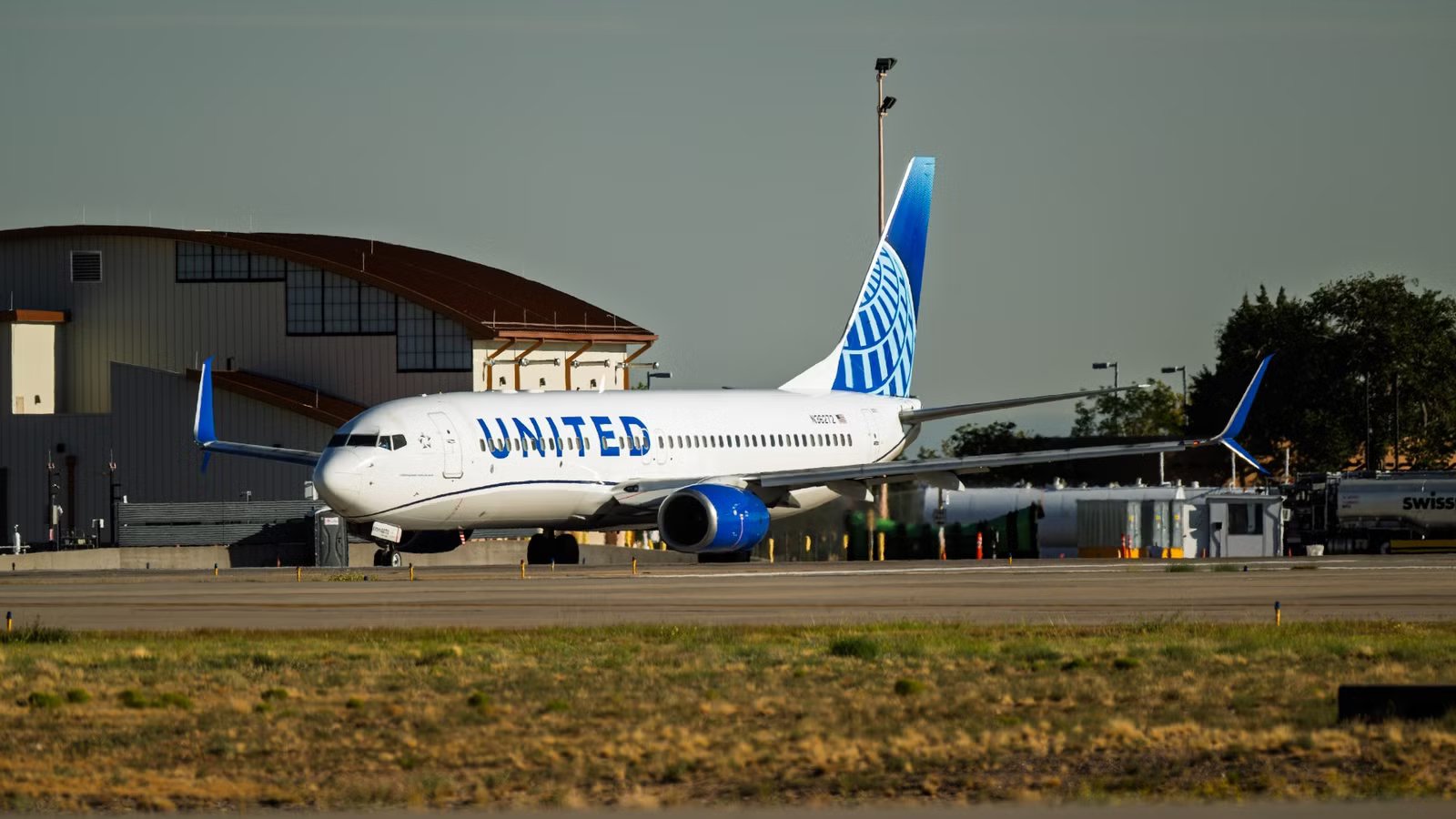
  United Airlines. These carriers are treating the aircraft as a small widebody replacement, complete with multiple premium cabins, large business-class sections, and dedicated Premium Economy seating. Their goal is to maximize premium revenue while maintaining the economics of a narrowbody aircraft.
Air Canada has gone in the opposite direction, copying the approach chosen by various European airlines. According to Airbus’ delivery announcement, the airline’s A321XLR is configured with 182 seats, including just 14 Signature Class suites and 168 Economy seats. There is no dedicated Premium Economy cabin anywhere on board.
The configuration immediately stands out because Premium Economy has become one of the fastest-growing and most beloved products in long-haul aviation. Most major carriers have spent the past decade expanding their cabins, recognizing that many travelers are willing to pay significantly more than economy fares but far less than business-class fares. But Air Canada deliberately chose not to include it.
In reality, the airline is not alone. European operators  Iberia and
  Aer Lingus have made remarkably similar decisions. Both carriers also omitted Premium Economy from their A321XLR fleets, favoring larger economy cabins and relatively small business-class sections. As reported by The Points Guy and One Mile At A Time, Air Canada’s configuration closely mirrors the layouts selected by those European airlines.
The result is effectively a two-class aircraft optimized for flexibility. While some passengers may see the absence of Premium Economy as a drawback, Air Canada appears to believe that route economics matter more than cabin complexity.
Why Air Canada Skipped Premium Economy Entirely

The most obvious question raised by Air Canada’s cabin design is simple: why eliminate Premium Economy when so many airlines are expanding it? The answer lies in how the carrier plans to use the aircraft.
Instead of creating a separate Premium Economy cabin, Air Canada has introduced 36 Preferred+ seats within the economy cabin. According to The Points Guy’s tour of the aircraft, these seats offer 34 to 35 inches (86-88 cm) of pitch, compared with 31 inches (79 cm) in standard economy. Passengers therefore receive additional personal space without requiring a completely separate cabin class. This may seem like a small distinction, but it carries major operational advantages.
A dedicated Premium Economy cabin requires separate inventory management, additional service standards, unique catering, and dedicated pricing strategies. Those seats can only be sold as Premium Economy. By contrast, Preferred+ seating remains part of the economy cabin and can be sold either as a premium upsell or as regular economy seating when demand is weaker, giving the airline greater flexibility. Therefore, by operating routes with highly seasonal demand patterns, flexibility can be valuable.
The strategy effectively allows Air Canada to capture much of the revenue associated with Premium Economy without committing permanent cabin space to a third travel class. Instead of selling a separate Premium Economy product, the airline is monetizing additional legroom while maintaining maximum adaptability.
Viewed through that lens, the absence of Premium Economy is less surprising. Air Canada has not abandoned the middle market entirely, but it has simply chosen a different way to serve it.
Finally Delivered: Air Canada’s 1st Airbus A321XLR Leaves Hamburg Bound For Home
Air Canada’s first Airbus A321XLR will open new long-haul narrowbody routes from North America to Europe.
The Routes Explain Everything

Perhaps the biggest clue behind Air Canada’s configuration can be found in the destinations the aircraft is expected to serve.
The A321XLR was designed specifically to connect city pairs that cannot consistently support widebody aircraft but still require long-range capability. During the aircraft’s introduction, routes connecting Montréal–Trudeau International Airport (YUL) with Toulouse, Nantes, and Berlin were highlighted as examples of the type of markets the aircraft can unlock. These routes are important, but they differ significantly from major business corridors such as  Toronto Pearson International Airport (YYZ) –
  London Heathrow Airport (LHR) or Montreal –
  Paris Charles De Gaulle Airport (CDG).
Secondary European destinations often generate strong leisure traffic, visiting friends and relatives (VFR) demand, and seasonal tourism flows. What they do not always generate is a large pool of passengers willing to pay Premium Economy fares year-round.
Filling 14 lie-flat business-class suites on every flight is already challenging enough. Filling an additional dedicated Premium Economy cabin can be even harder, especially outside peak travel periods.
This is where the A321XLR’s economics become particularly attractive. By reducing premium seating and maximizing economy capacity, Air Canada can spread operating costs across more passengers while still offering a premium option for a dozen travelers willing to pay for business class.
Catch what other flight trackers miss
Emergency squawks, holds, NOTAMs — live signals, no signup.
Open tracker
Catch what other flight trackers miss
Emergency squawks, holds, NOTAMs — live signals, no signup.
Open tracker
The strategy also reflects one of the aircraft’s greatest strengths: right-sizing capacity. Instead of deploying a Boeing 787 or Airbus A330 with hundreds of seats, Air Canada can operate a smaller aircraft that more closely matches actual demand.
In many ways, the airline’s cabin layout suggests that management sees the A321XLR primarily as a route-development aircraft rather than a premium flagship reserved for widebodies.
American And United Went In The Opposite Direction

The contrast between Air Canada’s strategy and those of American Airlines and United Airlines could hardly be sharper. Both US carriers are effectively turning the A321XLR into a miniature widebody aircraft. Their cabins include approximately 20 business-class suites and a dedicated 12-seat Premium Economy cabin arranged in a 2-2 configuration.
The philosophy behind these layouts is straightforward. American and United expect many passengers to view the aircraft as a substitute for traditional widebody service or a premium-heavy Boeing 757. By offering multiple premium cabins, they can target corporate travelers and maximize yield per passenger.
Air Canada appears to have reached a different conclusion, as it is essentially unbundling the experience. Travelers can purchase extra-legroom Preferred+ seating in Economy and receive many of the physical benefits associated with Premium Economy without the airline sacrificing valuable cabin space.
The numbers illustrate the difference well. While Air Canada’s aircraft accommodates 182 passengers, American’s A321XLR carries approximately 155 passengers. United’s configuration is even more premium-heavy, with only 150 seats in total (minus 5 economy seats). Those lower seat counts reflect a deliberate choice to prioritize revenue from premium travelers over overall capacity.
The comparison demonstrates that airlines are viewing the same aircraft through entirely different lenses. American and United are betting on premium demand. Air Canada is betting on flexibility and route economics. Neither strategy is necessarily right or wrong. Instead, they reflect different network structures, customer bases, and competitive environments.
For Air Canada, secondary transatlantic markets may simply not justify the premium-heavy approach adopted by its US competitors.

What Are The Most Seats That Airlines Can Fit On The Airbus A321XLR?
Qantas will have one of the highest passenger capacities onboard its Airbus A321XLRs.
Air Canada Vs The Competition: The Numbers Tell The Story

The A321XLR has become a fascinating case study in airline strategy because carriers are configuring the aircraft in dramatically different ways. The table below highlights a remarkable divide.
Air Canada, Iberia, and Aer Lingus have all chosen what could be called the “European model.” These airlines maximize economy capacity while maintaining a relatively small business-class cabin.
American and United have adopted what might be described as the “mini-widebody model.” They sacrifice dozens of economy seats in exchange for larger premium cabins and dedicated Premium Economy sections.
A321XLR Cabin Configuration Comparison
Airline | Business Class | Premium Economy | Economy | Total Seats |
Air Canada | 14 | 168 | 182 | |
Iberia | 14 | 168 | 182 | |
Aer Lingus | 16 | 168 | 184 | |
American Airlines | 20 | 12 | 123 | 155 |
United Airlines | 20 | 12 | 118 | 150 |
The difference is substantial. Compared with Air Canada’s aircraft, American’s aircraft sacrifice roughly 27 seats. United sacrifices 32 seats. Those lost seats represent revenue opportunities that Air Canada clearly believes are more valuable than adding another premium cabin.
As more airlines receive A321XLRs over the next several years, the industry will gain a clearer understanding of which philosophy delivers stronger financial results.
What Air Canada’s Signature Class Reveals About The Future

Although Air Canada reduced the number of premium seats compared with some competitors, it did not compromise on the quality of its flagship product. According to Air Canada’s cabin unveiling, the A321XLR features a next-generation Signature Class suite offering direct aisle access, wireless charging, Bluetooth connectivity, and large entertainment screens. The airline has effectively brought a modern widebody-style business-class experience to a narrowbody aircraft.
That decision reveals an important aspect of Air Canada’s strategy. The carrier is not abandoning premium travel. Instead, it is concentrating premium investment where it believes it matters most. Air Canada has decided to prioritize a strong business-class product while maximizing overall seating capacity.
The broader significance extends beyond a single aircraft type. Many airlines are seeking profitable ways to serve smaller international markets, and the A321XLR is becoming one of the industry’s most important tools for this mission. Some carriers will use it to replicate the widebody experience. Others will use it to open routes that would never support larger aircraft.
Air Canada’s configuration suggests it belongs firmly in the second camp. The airline appears to believe that passengers on routes such as Montreal-Berlin or Montreal-Nantes value nonstop service and schedule convenience more than access to multiple premium cabins.
Whether that strategy proves more successful than the premium-heavy approaches adopted by American and United remains to be seen. What is clear, however, is that Air Canada’s first A321XLR represents far more than a new aircraft delivery. It offers a glimpse into one possible future of long-haul flying, the one where flexibility, efficiency, and right-sized capacity matter just as much as premium luxury.