dailynewsnblog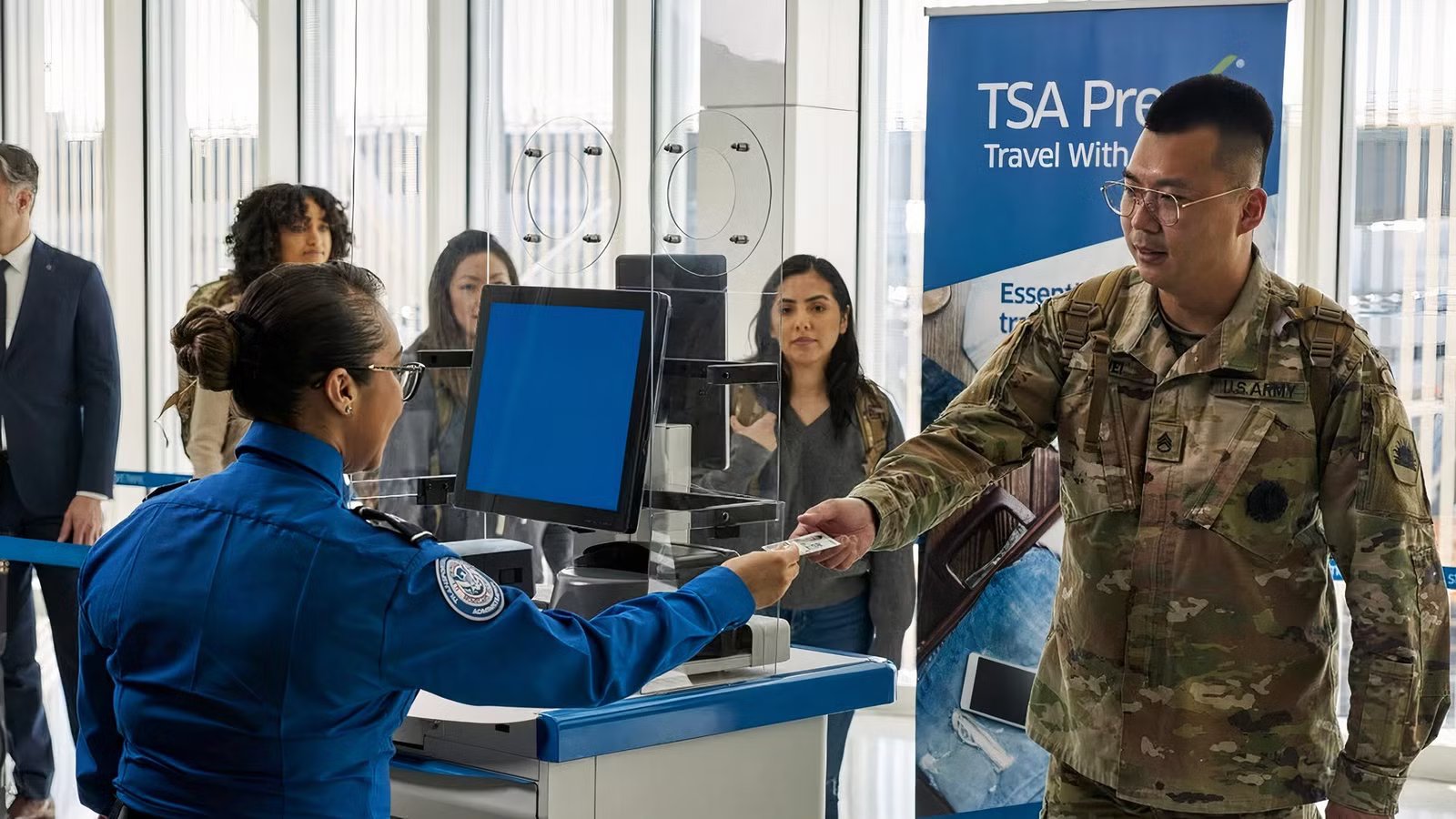
Enhanced airport security has become a fact of life since terrorists used commercial aircraft to attack targets on US soil on September 11, 2001. The Transportation Security Administration (TSA) was created two months later to establish consistent security protocols for air travel. While many of us have felt dehumanized at some point during the screening experience, the people doing the screening have recently become subject to a new indignity.
On September 25, TSA officials ordered the removal of all chairs from document-screening positions at airports. TSA agents are represented by the Association of Federal Government Employees (AFGE), which covers over 820,000 government employees in the US. The AFGE has vowed to fight back against this policy change.
A Fight For “Basic Safety And Common Decency”

The AFGE says its leaders were not consulted before the policy change became public. AFGE spokesperson Johnny Jones said, “these chairs serve as basic ergonomic and safety support for officers that stand and walk on hard surfaces all day,” and called the chairs, “basic safety and common decency.” The AFGE has also told its members to reach out to their congressional representatives for support.
Jones told The Guardian that the response from AFGE members was about the same as during government shutdowns. It doesn’t matter how comfortable your shoes are. Standing still for extended periods becomes painful, even on an ergonomic floor mat. Jones also explained how upsetting it was for officers when the chairs were removed.
“People are calling, members are mad, employees are upset because they literally started their day, everything was normal, and by halfway through their shift, they’re (TSA) taking all the chairs out and replacing them with inadequate mats. The amount of phone calls I received is almost the same as if everybody got fired all at once, almost similar to when we have government shutdowns.”
Long-Term Standing Can Be Physically Harmful

The National Institutes of Health (NIH) says prolonged standing at work can carry certain health risks, listing lower back and leg pain, cardiovascular problems, fatigue, discomfort, and pregnancy-related health outcomes. A 2002 study of professional hairdressers found they commonly experienced back, neck, and shoulder pain and reported standing 82 to 99 percent of the time while working.
In addition to screening identification documents before passengers travel, most other TSA roles also require standing for long periods. Transportation Security Officers (TSOs) stand while conducting hand or wand searches for those who don’t pass the initial screening. Behavior Detection Officers (BDOs) walk through crowds to monitor passenger behavior and identify potential threats. Baggage screeners stand while conducting physical searches of carry-on bags that are flagged during the X-ray process.
Many other airport jobs involve standing for long periods. Airline customer service agents and operations agents often stand while checking in passengers or boarding flights. People sorting bags as they are checked in are required to stand next to rotating bag belts, and gate crews who load the planes also stand on concrete before the flight departs. These positions often work back-to-back flights with little opportunity for rest.
“Nobody Asked For This”

Identification document screening was one of only two positions where TSA agents were previously allowed to sit. Baggage screeners at X-ray machines are still allowed to sit because the machine manufacturers recommended it.
“Nobody who works a checkpoint asked for this. Nobody who flies asked for this,” AFGE spokesperson Hydrick Thomas said in a statement.
AFGE has launched a site where passengers can complete a petition form supporting the return of TSA workers’ chairs. It had received over 1,000 signatures when this story was written. The site says, “The justification provided by management has nothing to do with airport security and everything to do with making the workplace unbearable for dedicated public servants, [and] will undoubtedly negatively impact worker safety.
For 76 days in February and March this year, TSA employees worked without pay during a prolonged government shutdown. During that time, security lines snarled at airports across the US as TSA workers called out, unable to afford to work for no pay. Although the government eventually paid back pay for time worked, hundreds of officers quit or resigned during the shutdown.