dailynewsnblog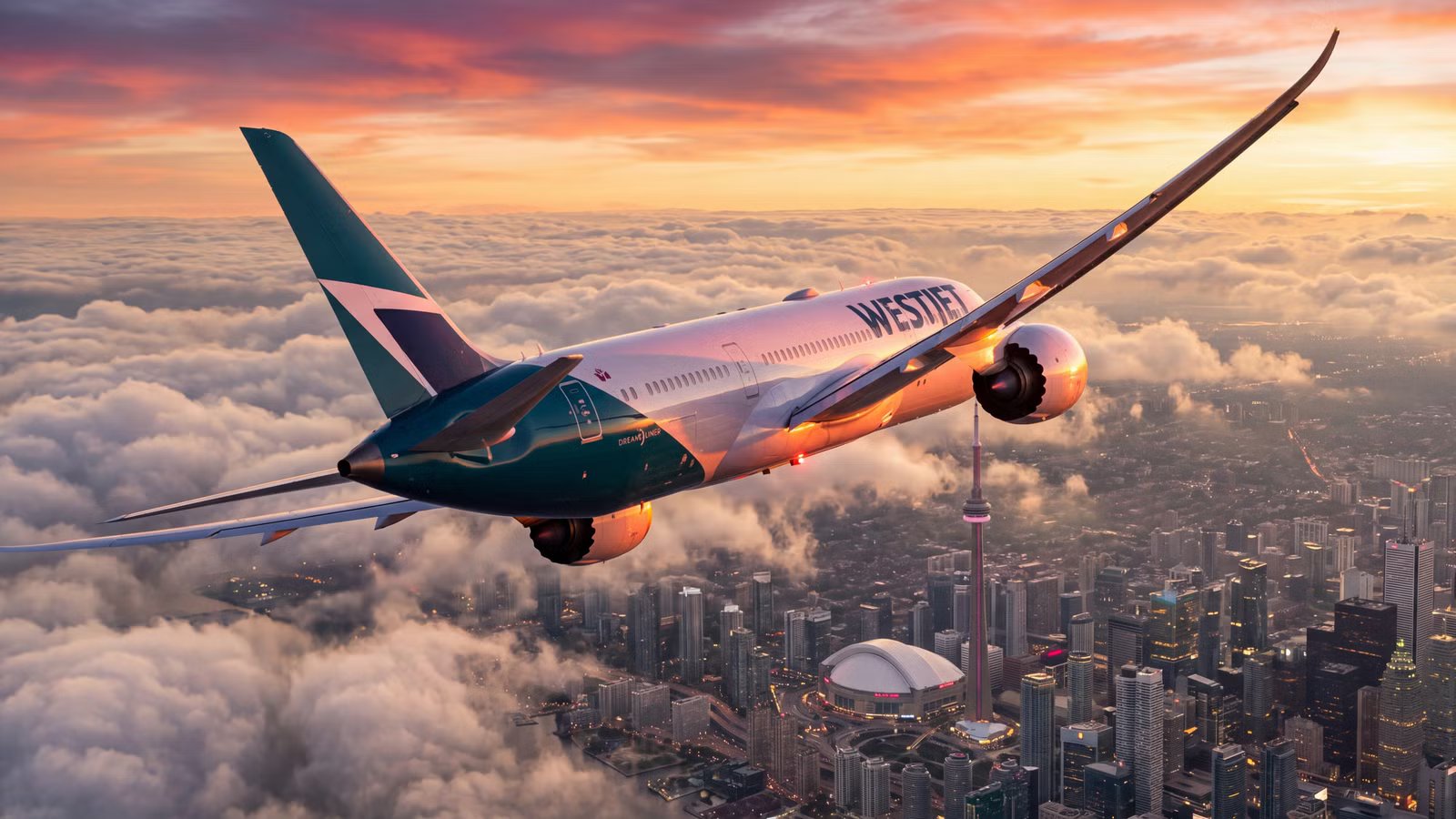
WestJet and Tim Hortons have announced a partnership. The two brands from Canadawant to combine their coffee and flying experiences in the skies. Tim Hortons has launched its new Flight Roast, which will be available at 35,000 feet from November 30, 2026.
A further partnership will come into play in 2027. WestJet Rewards and Tims Rewards members will be able to link their accounts. They’ll be able to earn points for both programs simultaneously. The firms want to share their passions for strengthening guest loyalty and enhancing everyday experiences.
The Tim Hortons Blend Has Been Crafted With Pressurized Cabins In Mind

The firm’s expert coffee roasters created a blend they think will be best enjoyed at altitude. This is a 100% Premium Arabica blend roasted to a full medium. Cabin crew will be able to use it to craft smooth, rich and balanced cups of coffee. Tasting notes include nuts, cocoa and red fruit.
The bespoke blend will be made available alongside Tim Hortons tea. These products can only be procured on flights that currently offer inflight refreshments. Tim Hortons serves a much wider range of products on the ground, including donuts, sandwiches and breakfast muffins. It is not yet known if these products will also be made available on flights.
John Weatherill, WestJet Group Executive Vice-President and Chief Commercial Officer, commented on the collaboration.
“Some partnerships just make sense, bringing together WestJet, Canada’s famously welcoming airline with Tim Horton’s, Canada’s favourite coffee is one of them. We’re excited to welcome Tim Hortons and its new Flight Roast blend onboard, giving guests a little taste of home with every cup while reinforcing our ongoing commitment to delivering Canadians with a welcoming experience.”
WestJet Previously Had An Exclusive Coffee Partnership With McDonald’s

The Tim Hortons deal comes a decade after WestJet and McDonald’s announced an exclusive partnership, with the fast-food retailer’s McCafe brand set to be the only coffee provider on flights. As CBC reported in November 2016, the deal took effect in December 2026.
The initial arrangement was for an estimated 30,000 cups of coffeea day across 650 WestJet flights, with plans to expand to WestJet Encore. As part of the partnership, WestJet also worked with Ronald McDonald House Charities Canada to provide flights and holiday support programs for families requiring medical care far from home. The exclusive McCafe deal ends this fall. That will make way for the new Tim Hortons deal to take effect.
The McCafe product did not use an exclusive aviation blend. However, it uses a combined McCafe and WestJet design. The cups were also included in McDonald’s loyalty program, with each cup having a peelable sticker and loyalty card.
Why Food & Drink Tastes Different When You Fly

McDonald’s failure to produce an aviation-focused blend will lead to an inferior product for WestJet travelers because the pressurized cabin environment negatively affects taste perception. Low humidity dries out passengers’ noses and mouths, reducing receptor effectiveness. Reduced cabin pressure also weakens people’s ability to detect sweet and salty flavors. Finally, noisy cabin environments create overstimulating sound that deadens your other senses.
As a result, your sense of taste weakens and food and drink taste bland. Whether it is coffee or an inflight meal, airlines need to choose much stronger flavors than at sea level to ensure consistent enjoyment. Food is often seasoned with more salt, while aviation calls for a bolder coffee blend and roast.
In some ways, creating tasty coffee onboard flights is less of a challenge than avoiding bland food. Aviation cuisine must be mass-produced without the traditional open flames used at sea level. It is comparatively easy to brew up a large amount of coffee on a flight.