dailynewsnblog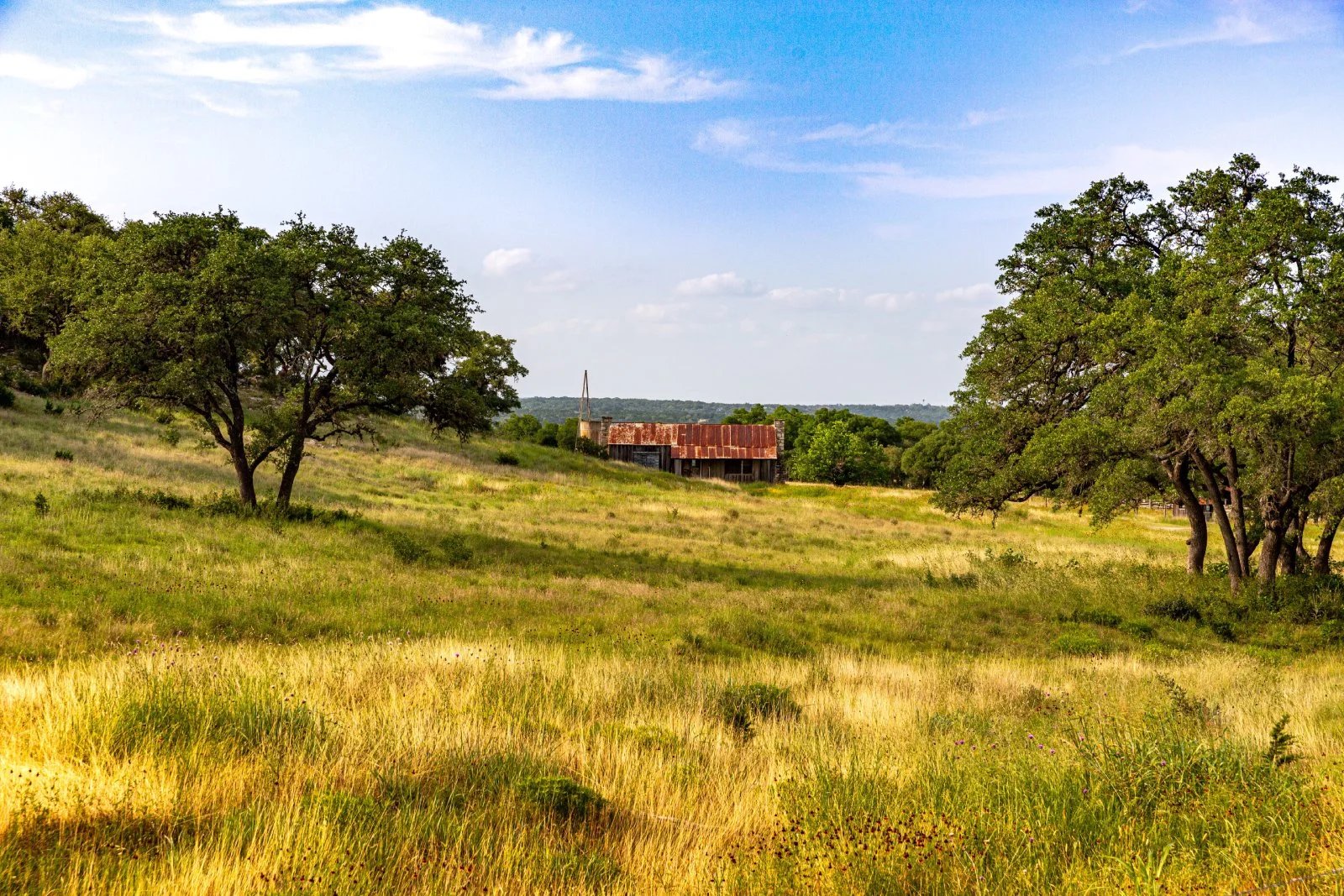
The Texas Hill Country has arguably the most photogenic landscape in the Lone Star State. Comprising a 25-county swatch of limestone and granite hills, ridges and caverns, this region forms the geographical boundary between the wetter, greener southeastern side of the state and the sunnier, drier southwestern side.
On a road trip along the rocky bluffs, lush aquifer-fed valleys and semi-arid stands of yucca, juniper and live oak, you can fully sense that you’re at the intersection of two major continental zones. Although this largely rural region abounds with wilderness parks, hiking trails and swimming holes, it’s also home to a pair of urban cultural hubs, Austin and San Antonio.
Related: What is the best gas rewards program for saving at the pump in 2026?
Texas Hill Country road trip planning
Although this itinerary starts and ends in San Antonio, you can just as easily use Austin as your base. Because the heart of the Hill Country is relatively compact, you could spend your entire stay in either of these cities, exploring the countryside on a series of day trips. But to fully appreciate the area’s welcoming vibe and verdant countryside, spend at least a couple of nights in a smaller town, such as Fredericksburg, with its growing cache of stylish lodgings, or perhaps Boerne, Marble Falls or Gruene.
Budgeting your time
Give yourself at least three days to immerse yourself and fully appreciate the region’s mellow personality. This part of the world is best appreciated at a leisurely pace. This way, you can spend a couple of nights in one of the aforementioned smaller towns, plus a night in either Austin or San Antonio. If you’re able to budget a full week, you’ll have time for some in-depth winery-hopping, longer hikes and rafting trips and live music shows — and you can check out the highlights of both Austin and San Antonio.
Related: The best rental car loyalty programs in 2026
Getting to the Texas Hill Country
The region is served by two large international airports, Austin-Bergstrom International Airport (AUS) and San Antonio International Airport (SAT).
Related: Delta to offer more connections in Austin focus city. Will it ever be a hub?
The best months to visit the Texas Hill Country
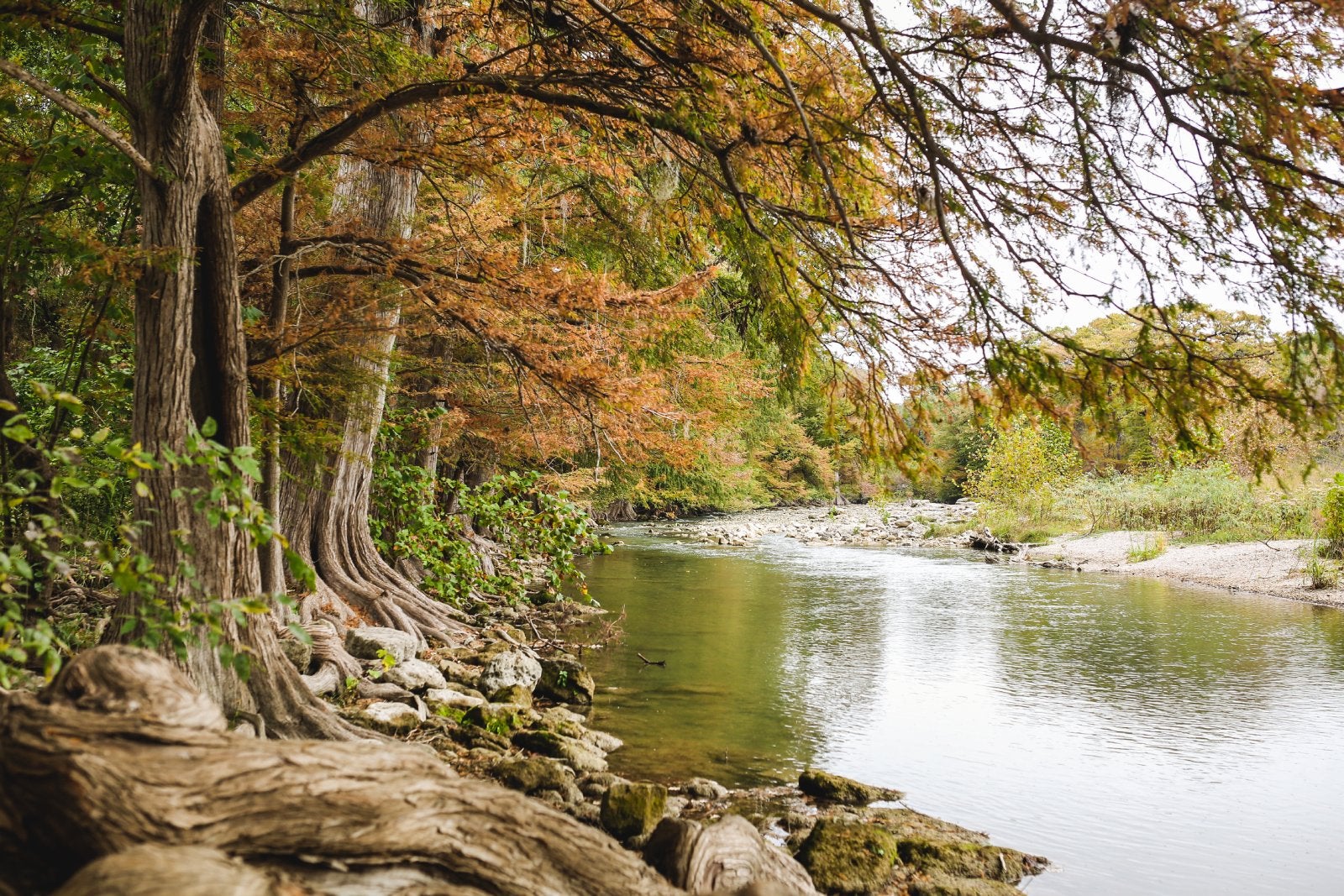
Every season here has its charms. Spring is tops for strolling through colorful wildflower meadows, autumn offers a chance to see the changing foliage of maple and cypress trees, while winter has milder weather, fewer crowds and a cozy vibe.

Reward your inbox with the TPG Daily newsletter
Join over 700,000 readers for breaking news, in-depth guides and exclusive deals from TPG’s experts
These seasons are more temperate than Texas summers, during which you may contend with highs in the triple digits. But there’s also something appealing about eating barbecue brisket and listening to a bluegrass band on a hot summer night. Keep in mind that powerful rainstorms sometimes soak the Hill Country, especially May through October. The tragic and deadly floods of July 2025, for example, significantly damaged the western side of the region, around Kerrville and Hunt. This event largely spared the towns covered on this itinerary.
A Hill Country hotel boom
The Hill Country is right in the midst of a lodging boom, and several noteworthy hotels and resorts are in the works as of this writing. The eco-chic 1 Hotel Austin recently opened in Aug. 2026 in a gleaming 74-story tower in the bustling Rainey District downtown. Fredericksburg has a pair of high-profile properties on the horizon, including the Kimpton Fredericksburg, with an anticipated 2027 opening, and the Waldorf Astoria Texas Hill Country, the luxury brand’s first resort in the state, with plans to open by early 2028. The Ophelia Hotel Marble Falls, part of Hilton’s Tapestry Collection, is now accepting reservations from Feb. 2027.
Exploring San Antonio
Although this city sprawls over a 500-square-mile area, most of the key attractions lie within a narrow north-south corridor bisected by the San Antonio River. Start south of downtown by exploring the linear San Antonio Missions National Historical Park, a trail of four missions developed by the Spaniards in the late-17th and early-18th centuries. The largest and best restored is Mission San Jose.
As you enter downtown, drive along St. Mary’s Street past the ornate Victorian mansions of the King William Historic District, pausing for a bite at one of Southtown’s hip eateries. Then park around La Villita Historic Arts Village, a collection of colorful crafts and art galleries established by the WPA in 1939. Here you can access the Downtown Reach loop of the iconic San Antonio River Walk, a captivating promenade that wends through the city’s heart. The downtown section is lined with touristy restaurant terraces, but its twinkly lights and colorful umbrellas are festive nonetheless.
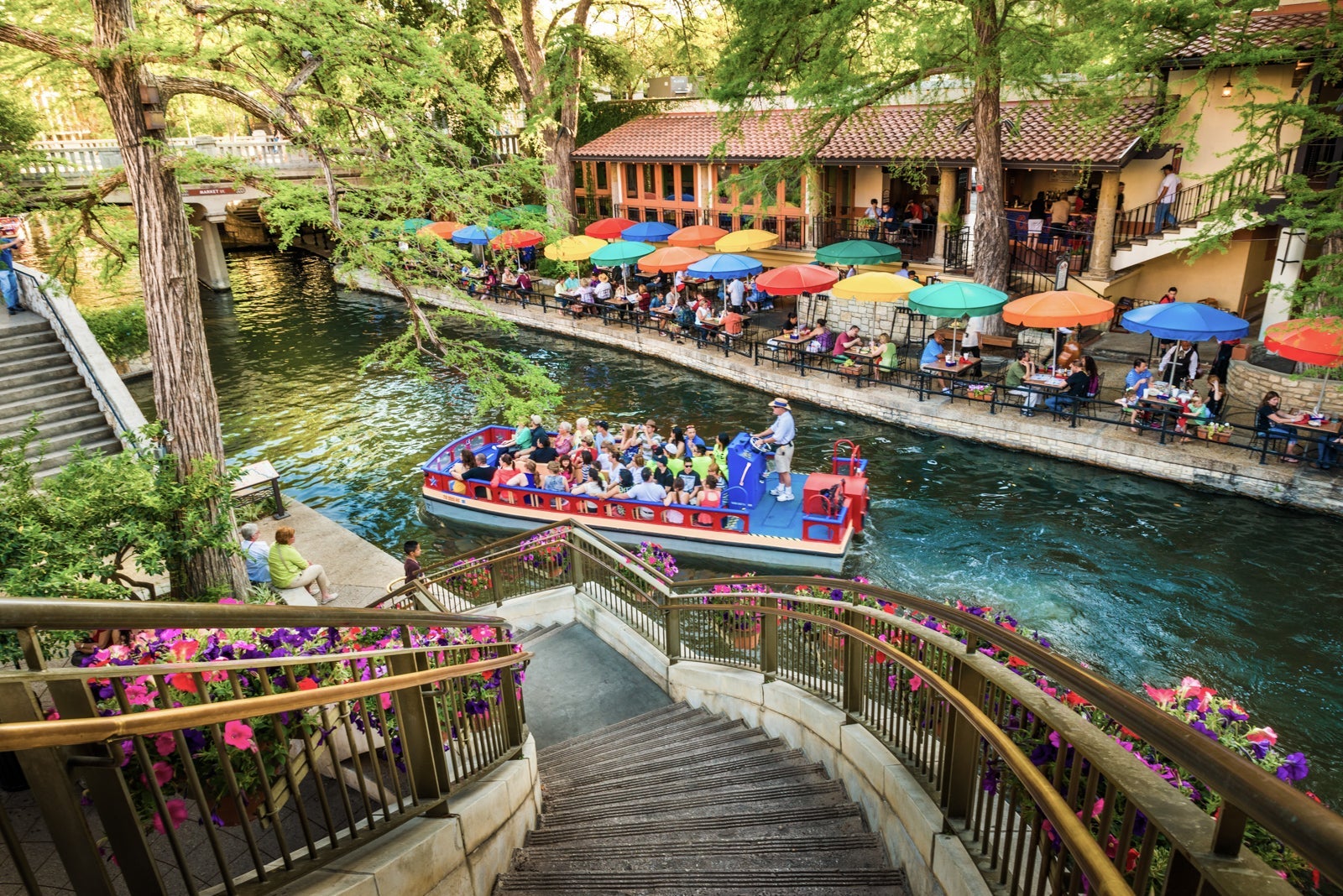
Emerge from the River Walk to visit The Alamo — its exhibits relate the stirring tale of the building’s ill-fated yet inspiring role in the 1836 Texas Revolution. Follow the River Walk north through the three-mile Museum Reach section, which is hands-down the most appealing stretch, with its lush greenery and whimsical public art. Allow at least an hour to visit the outstanding San Antonio Museum of Art before strolling north to the buzzy Pearl District, a hive of stylish eateries and boutiques fashioned out of an ornately designed late-Victorian brewery complex. Enjoy dinner at Down on Grayson or Southerleigh Fine Food and Brewery.
Where to stay in San Antonio
In the Pearl District along the River Walk, the striking 146-room Hotel Emma (rates start at $445 per night) occupies a magnificently transformed 19th-century brewery building with inviting common spaces and stylish restaurants. It’s a member of the American Express Fine Hotels + Resorts collection, offering perks like complimentary daily breakfast for two to select cardholders.
North of downtown and well-situated to begin your exploration of the surrounding greenery, the posh JW Marriott San Antonio Hill Country Resort & Spa (rates start at $359 or 52,000 Marriott Bonvoy points per night) has a nine-acre water park, a spa and several fine dining options. Hyatt loyalists can head west of downtown to check into the Hyatt Regency Hill Country Resort and Villas (rates start at $413 or 15,000 World of Hyatt points per night), which recently wrapped up a $100 million renovation with the opening of a 2.2-acre lagoon.
San Antonio to Fredericksburg
Depart San Antonio and head north up U.S. Highway 281, turning left onto Highway 46 in Bulverde, making the short detour north to Guadalupe River State Park. Hop out for a light hike on the easy but rewarding Bald Cypress Trail, then cool off with a dip in the river. Continue about 15 miles west on Highway 46 into Boerne (pronounced Bur-nee). Bisected by Cibolo Creek, this charming town was, like so many in this part of the state, settled in the mid-19th century by German immigrants. Stroll along Cibolo Creek in River Road Park, with its stately bald cypress trees and cheerful chorus of ducks and geese. In town, grab a latte from Black Rifle Coffee or a malty kolsch from Free Roam Brewing Company (a good bet for pizzas too).
Continue north on rural Highway 474, then turn left onto Highway 473, with a potential detour to Hillbillyz or, in nearby Sisterdale, Black Board Bar-B-Q for mouthwatering barbecue. Drop by Sister Creek Vineyards for a wine flight, then continue west to tiny Toonstone, and turn north onto Old 9 Road to Old Tunnel State Park, where you can hike down to an old railroad tunnel and witness about 3 million Mexican free-tailed bats flutter out at dusk each evening (May through October). From here, follow the road north through Grapetown into Fredericksburg.
Fredericksburg
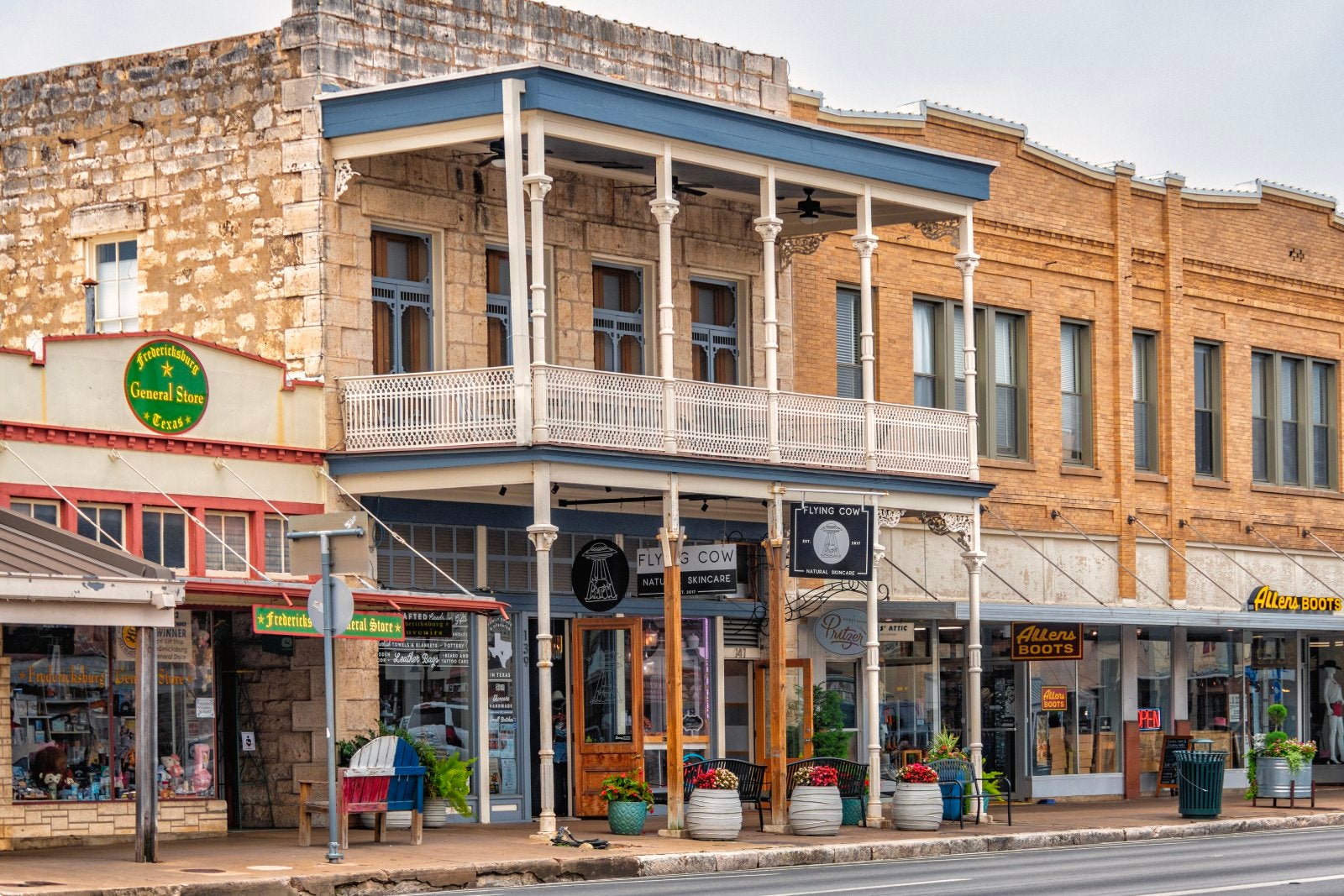
This picturesque town of around 12,000 residents has steadily blossomed into one of Hill Country’s most appealing getaways. Stretching about 10 blocks along Main Street, the downtown Fredericksburg Historic District is framed by stately limestone buildings, many with ornate German-style wooden or iron trim. A few of these contain museums, such as the informative Pioneer Museum and the octagonal Vereins Kirche Museum. The National Museum of the Pacific War — an affiliate of the Smithsonian — contains thought-provoking exhibits on World War II and has just finished a renovation. Allow a half-day to explore downtown’s distinctive shops and savor lunch at one of the old-world German restaurants, such as The Auslander or Old German Bakery.
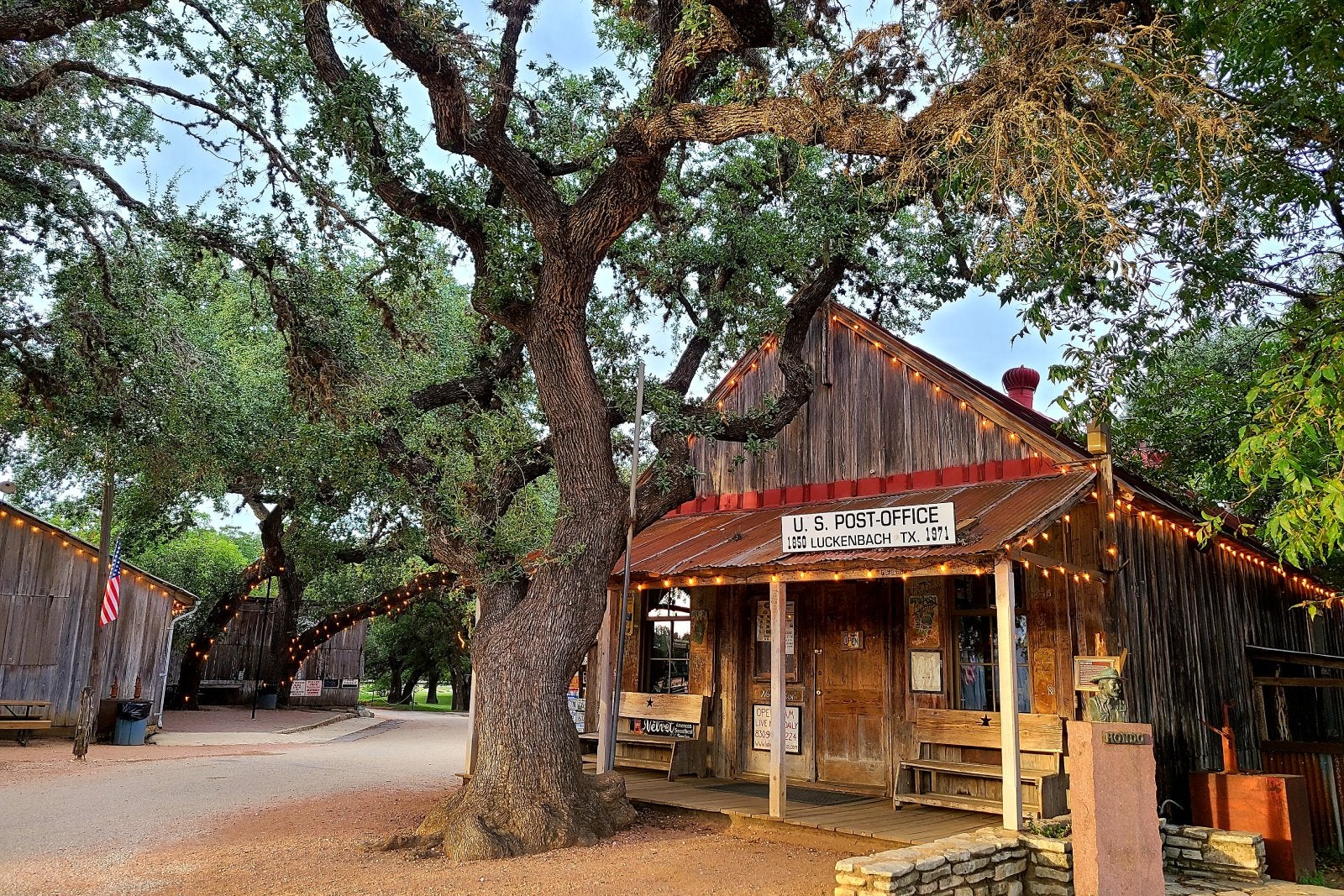
Just southeast of town, tiny Luckenbach is one of the Lone Star State’s greatest and weirdest treasures. This legendary live music venue is set amid the rustic grounds of a mid-19th-century German trading post and had been essentially abandoned when eccentric entrepreneurs bought it and turned it into a music hall in the early 1970s. Immortalized in the 1977 Waylon Jennings song “Luckenbach, Texas,” it’s a memorable place to watch leading country, bluegrass and folk singers perform.
Llano and Marble Falls Loop
From Fredericksburg, it’s an easy day trip to explore some of the Hill Country’s most dramatic scenery. Head north on Highway 965 for 17 miles to Enchanted Rock State Natural Area, the dominant feature of which is an imposing pink-granite dome that rises several hundred feet above the arid landscape. Continue to Highway 16 and into downtown Llano for a lunch of Cajun and Tex-Mex cooking at the Barrel House, and a stop by the Llano Fine Arts Guild and Gallery to view its impressive selection of artwork by regional talents.
The drive continues east on Highway 29 along the southern shore of rippling Buchanan Lake, and then on to Inks Lake State Park, where you can swim amid the pink granite outcroppings of Devil’s Waterhole. This is also a great park for wildflower hikes and kayak paddles (rentals are available). You can break up the day with a tasting at Perissos Vineyard and Winery or Uplift Vineyard, then continue to Longhorn Cavern State Park for a guided 1.1-mile round-trip tour of its limestone cave. Have a look at the stately museum and other stone structures built in the 1930s by the Civilian Conservation Corps (CCC).
Drive east to U.S. Highway 281, following it south to the oft-photographed Bluebonnet House, anchored by a once gracious but now dilapidated mid-19th-century farmhouse surrounded by spectacular wildflower meadows. The next stop is Marble Falls, a dapper town on a scenic stretch of the Colorado River that’s popular for stand-up paddleboarding and kayaking. Many of its attractive limestone storefronts house art galleries and wine-tasting rooms, and the beloved Blue Bonnet Cafe has been serving satisfying chicken and dumplings and pecan pies since 1929. From here, it’s about an hour drive back to Fredericksburg.
Where to stay in Fredericksburg
A sleek mix of contemporary and beautifully restored historic downtown buildings, the Albert Hotel (rates start at $265 per night) opened in 2025 with 105 rooms, superb restaurants and bars and a serene spa with an extensive spa menu. A few blocks away, the Winchester Lodge (rates start at $188 per night) offers 16 spacious suites, many with Jacuzzi tubs, kitchenettes, balconies and fireplaces.
Fredericksburg to Austin
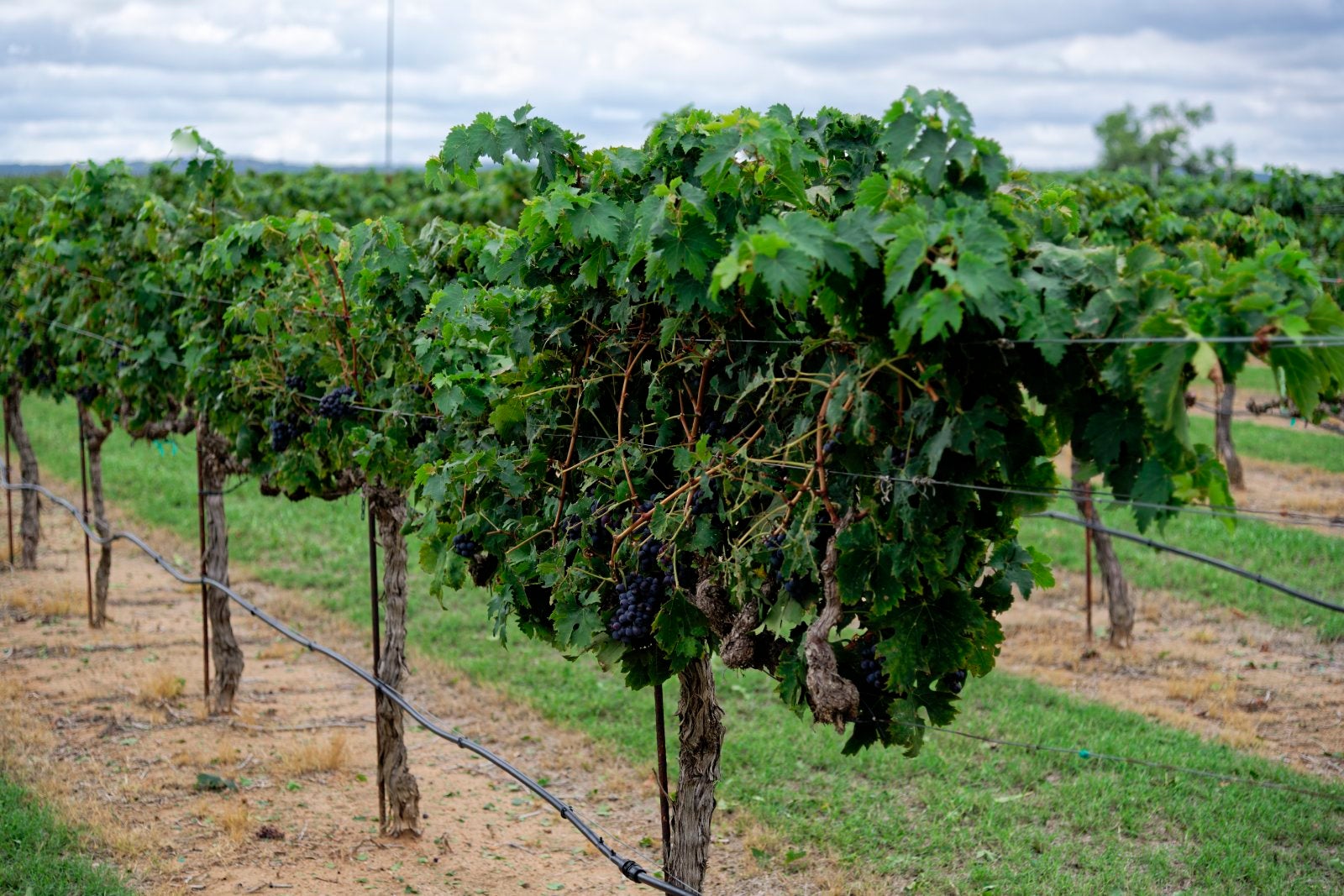
It’s an 80-mile straight shot east on U.S. Highway 290 to Austin, and there’s plenty to see along the way, including more than half of the Hill Country’s 100+ wineries, some with downtown tasting rooms but many in the surrounding vineyard-dotted countryside, where you’ll also find pecan, peach and other farms. The glass-walled tasting room and gracious patio at William Chris Vineyards are a gorgeous backdrop for sampling Rhone-style blends and listening to live music. Slate Theory Winery stands out for its industrial-chic design and fascinating tours of its vast underground cellar, and at Signor Vineyards, you can savor an exceptional cheese-charcuterie board while you sip a crisp Sauvignon Blanc amid the manicured gardens and sweeping lawns. In Hye, you can also drop by Garrison Brothers Distillery for a tour and to taste the exceptionally smooth and complex bourbons.
The tiny town of Stonewall is closely associated with the 36th U.S. president, Lyndon B. Johnson, who resided here on a sprawling riverside ranch known as the Texas White House. Learn about his storied, if at times controversial, life at Lyndon B. Johnson National Historical Park, which you can explore on a self-guided driving tour that begins at an engaging museum in adjacent Lyndon B. Johnson State Park & Historic Site and includes the reconstructed modest dwelling he was born in and the cemetery where he was laid to rest. Note that parts of the park are currently closed during a major restoration project that’s expected to wrap up in 2027.
Johnson City and Blanco
About 15 miles east in Johnson City, you can visit a second unit of the national historical park. It includes the Victorian home where LBJ grew up and a visitor center with exhibits about him and his wife, Lady Bird. Continue down U.S. Highway 281 through Blanco, which appeared prominently in the Coen Brothers’ acclaimed remake of “True Grit.” If it’s a hot day, dip your toes in the spring-fed waters of Blanco State Park. Then order a venison burger at the Redbud Cafe and Pub, located in a vintage storefront on the town square. Check out the owners’ sturdy yet stunning stoneware pottery, which they sell in their adjacent gallery. From here, head east along rural Highway 165 through tiny Henly, rejoining U.S. Highway 290 to Dripping Springs.
Exploring Austin
Take Highway 12 north from Dripping Springs to Bee Cave, and then follow Highway 620 toward the pretty eastern shoreline of Lake Travis, which is actually a dammed reservoir along the 862-mile Colorado River (not to be confused with that other Colorado River that flows through the Grand Canyon). On the western outskirts of Austin, Lake Travis is a fine spot for boating, swimming and sunbathing. You can work up an adrenaline rush riding the ropes at Lake Travis Zipline Adventures, saunter sans-Speedo along the clothing-optional (and LGBTQ+-popular) stone terraces of Hippie Hollow Park or sip margaritas and nosh on shrimp fajitas at the Oasis on Lake Travis, a rambling multistory cantina that sits high on a precipice with stunning water views. Follow Highway 2222 east into Austin, stopping for the short but slightly strenuous trek up the 106 steps to the 705-foot summit of Mount Bonnell for a great view of the river.
Yet another Texas city that’s undergone incredibly rapid growth over the past few decades, the once-easygoing college town (University of Texas) and state capital, Austin, has doubled in population since 1990 and now has more than a million residents. Traversed by a wide stretch of the Colorado River known here as Lady Bird Lake, Austin is more a place to explore hip neighborhoods than museums.
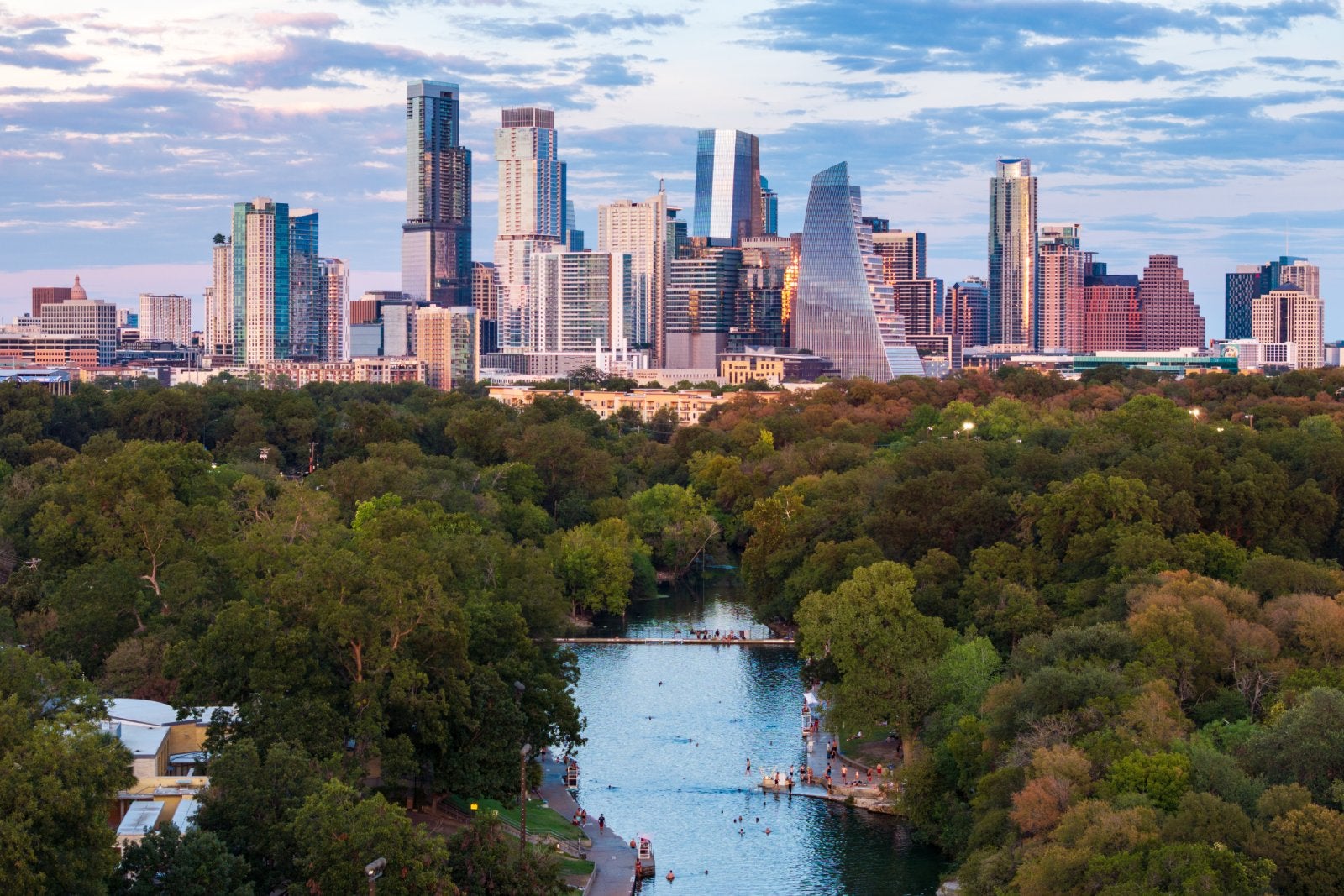
Still, the imposing 10-story LBJ Presidential Library on the leafy campus of the University of Texas is an interesting stop for history buffs, as is the Bullock Texas State History Museum, with its extensive collections touching on everything from the state’s rich Native American heritage to its considerable contributions to space exploration. It’s also worth taking a tour of the elegant Renaissance Revival–style Texas State Capitol building, which dates to 1885 and has a beautiful interior and grounds. On sunny days, stroll amid the fragrant plantings and trees of Zilker Botanical Garden and refresh yourself at nearby Barton Springs Pool, an outdoor swimming hole fed by natural underground springs that keep it at a constant temperature of around 70 degrees.
One of the best ways to experience this high-tech hub of creative design and exceptional eating and drinking is to walk around one of Austin’s buzzy neighborhoods, which pulse with celebrated restaurants, music clubs, and indie shops. Excellent areas for this include downtown 2nd Street, Rainey Street, the Warehouse District, East Austin and South Congress.
Where to stay in Austin
With an ideal downtown location adjacent to the famous Austin City Limits Live music venue and steps from the trails along Lady Bird Lake, the 36-story W Austin (rates start at $378 or 52,000 Marriott Bonvoy points per night) unveiled a dramatic redesign in 2024 and features some of the cushiest digs in town, plus an exceptional spa and a hip speakeasy cocktail bar, the Blue Room. Out in the countryside closer to Lake Travis, book one of the dapper rooms at the Omni Barton Creek Resort & Spa (rates start at $349 per night), with its sweeping views of the surrounding hills, four world-class golf courses and an expansive sun terrace with three pools and a full spa.
Austin to San Antonio
Although Interstate 35 provides a fast but unexciting route between these two cities, you’ll have a much more interesting time sticking with the meandering backroads, which snake through a handful of quirky little towns. Take Highway 1 southwest from Austin, stopping for a lazy ramble amid the lush 284-acre grounds of the Lady Bird Johnson Wildflower Center. Continue on Highway 1826 to Dripping Springs, a quintessential Hill Country town that’s home to more than a few celebs, including Kyle Chandler and Woody Harrelson. Stop for a prodigious plate of slow-smoked brisket at the famous — and mammoth — Salt Lick BBQ restaurant, or if you’re favoring a more intimate vibe, follow Highway 12 south to Wimberley.
Wimberley
In this endearingly offbeat creekside hamlet, you could spend the better part of an afternoon browsing folk art, fashion and housewares. Countless boutiques, cafés and restaurants are clustered in the center of town, some along the banks of tree-shaded Cypress Creek, a lazy tributary of the Blanco River. For lunch, grab a seat on one of the three-shaded patios at Community Pizza and Beer Garden or the Longleaf Craft Kitchen + Bar.
Gruene and New Braunfels
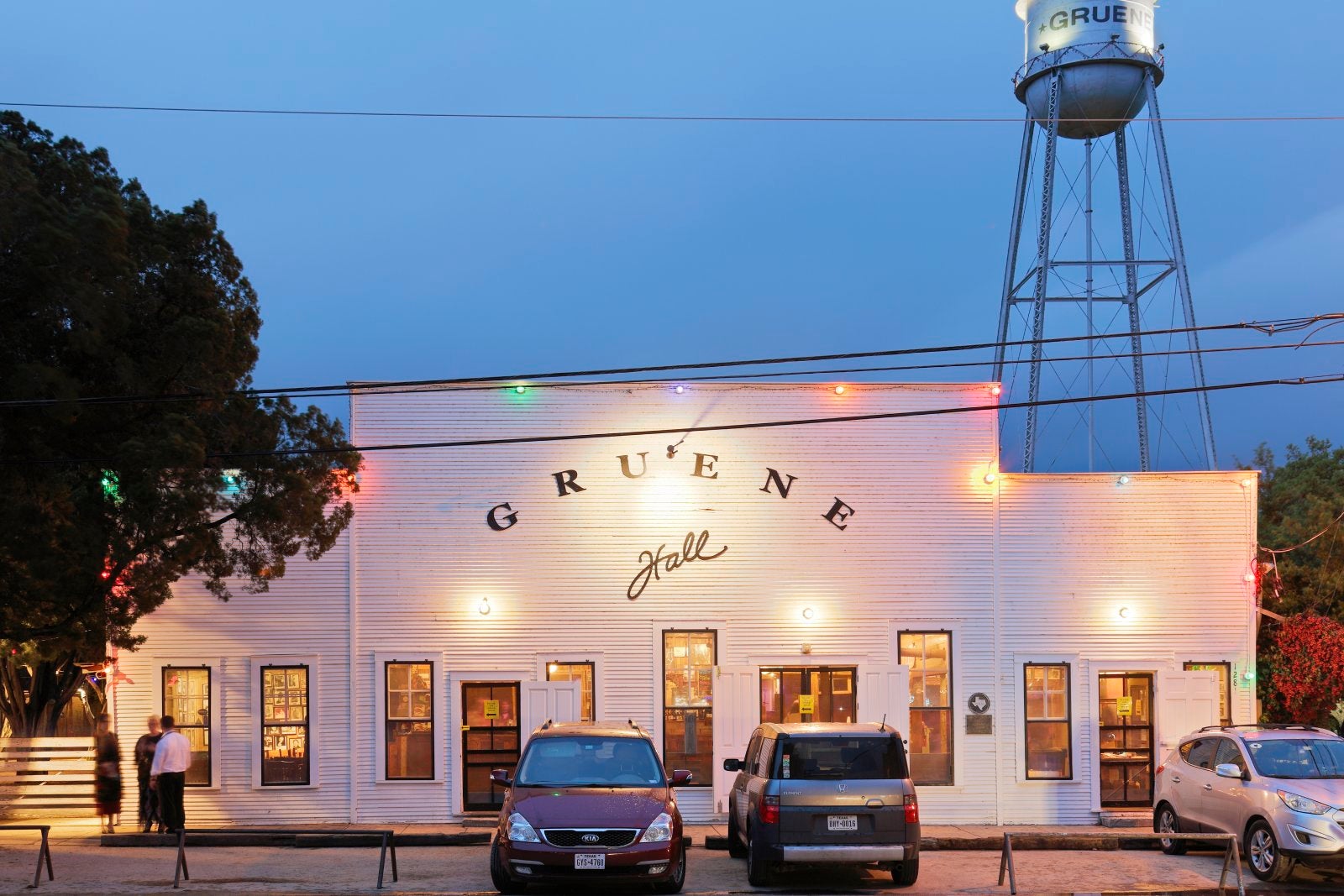
Budget a half-hour or so for the drive south along curving backcountry roads to the rollicking community of Gruene (pronounced “Green”), which sits along a plateau above the serpentine Guadalupe River. Here you’ll find funky shops and down-home eateries with oak-shaded patios, like the Gristmill River Restaurant & Bar, with its lushly landscaped decks above the river. Definitely see what’s on at the renowned music venue, Gruene Hall, the oldest dance hall in Texas (it dates back to 1878). It’s a short hop farther south — following the course of the Guadalupe River — to New Braunfels, a handsome city of around 125,000 that enthusiastically embraces its German roots. The best time to visit is early November, for the 10-day Wurstfest celebration (think Bavarian dancing, beer and bratwurst). From here, it’s just a 35-minute drive down Interstate 35 to San Antonio.
Where to stay in Gruene and New Braunfels
Set dramatically on a bluff above the Guadalupe River, the adults-only Gruene River Hotel & Retreat (rates start at $305 per night) has 17 rooms, many with hot tubs, and rates include a gourmet breakfast and an evening happy hour. In downtown New Braunfels, the stately 1929 Faust Hotel (rates start at $283 per night) opened in May 2026, following a three-year closure and an ambitious $4.5 million renovation that preserved its stunning tilework, enormous windows, and bold art deco aesthetic.
Related reading: