dailynewsnblog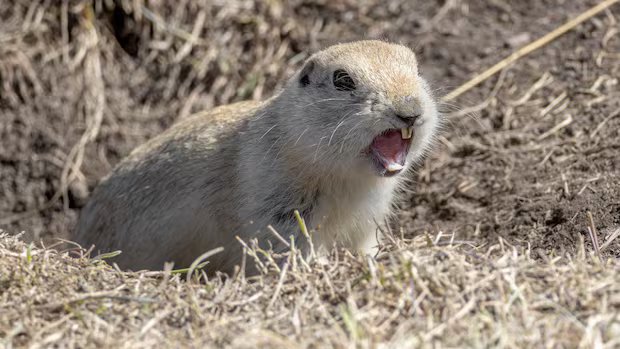
Farmers in Alberta and Saskatchewan likely won’t be using strychnine this spring.
The controversial rodenticide was authorized for controlled and time-limited emergency use in Alberta and Saskatchewan following extensive lobbying by those provinces, after being banned by Health Canada two years ago due to environmental risks.
The emergency use authorization window under the Pest Control Products Act allows producers in Alberta and Saskatchewan to register for strychnine until November 2027 — but it can only be used during strict seasonal windows.
The spring application window, which ends June 15, is considered the best time to apply strychnine. That’s when gophers emerge from hibernation and are more likely to consume non-vegetation food sources like poison bait.
But municipalities in Alberta and Saskatchewan are advising farmers not to count on strychnine being available this spring, as the product has yet to be manufactured in Canada less than two weeks before that deadline.
Agromax, the sole authorized manufacturer of strychnine in Canada, has been facing significant supply chain issues.
“I think for this year, being the delayed decision from [the federal Pesticides Regulatory Directorate], there wasn’t enough time to get it for the early season, I don’t believe,” said Brent Punga, president of the Regina-based company.

The poison is primarily produced from the strychnine tree, a plant native to India and southeast Asia. Punga said rising fuel costs due to the Middle East conflict have led to flight cancellations, pushing back the transport of raw materials.
He said Agromax could potentially get the materials this week.
If that’s the case, then the earliest municipalities could get the strychnine shipments is next week — but farmers will still need to meet all the new strychnine program’s stringent eligibility requirements before actually getting to purchase or use it.
“I don’t see very many end users getting it before the 15th — just the way the timing of it is going to end up being,” Punga said.
Not available for purchase this spring, municipality says
Strychnine “will not be available for purchase during the first application window,” the Municipal District of Wainwright in east-central Alberta wrote in a social media post on May 28.
“Producers are strongly advised not to rely on strychnine being available this season, and to utilize alternative methods. We know this is frustrating and disappointing news.”

A two-year ban on strychnine has been temporarily lifted until 2027 after lobbying by Saskatchewan and Alberta. The poison is known as the most efficient way to kill gophers, whose numbers have been growing, causing crop damage. Only certain regions in the two provinces will be allowed to use it.
Shelby Oracheski, Wainwright’s agricultural fieldman, said the manufacturer has yet to provide a delivery date for the product.
“This is a huge undertaking within a very tight timeline — capacity to meet demand and development of a stewardship program don’t happen overnight,” she said. “The hope is this rollout goes smoothly, and there is potential for strychnine to remain available long-term.”
Neither the federal nor provincial governments have a role in purchase or distribution, with procurement and distribution handled solely through rural municipalities, according to Alberta’s agriculture ministry.
‘It’s too late’
Farmers in both provinces were disappointed to hear strychnine wouldn’t be ready in time for spring.
“It’s too late really, anyways, for it to be effective now,” said Wade Nelson, a farmer just west of High River, Alta.
Nelson, a member of the Foothills County agricultural services board, said strychnine is so ineffective in the summer that he and other farmers are most likely going to wait until next spring rather than using it this year.
Don Connick, a farmer near Gull Lake, Sask., echoed Nelson’s sentiment.
“It’s important to get strychnine out for control early, or any poison for that matter, with the gophers,” Connick said. “Any control efforts after a certain time, particularly hot summer, are just not effective at all.”
The second application window, running from mid-July to the start of September, is also a time in which many gophers enter a dormant state called estivation — similar to hibernation, but caused by extreme heat.
Connick said he’s “probably buying it for next year but … not counting on that for control this year at all.”
“Certainly the chances of getting it before June 15 seem pretty remote,” Connick said. “There is a lot of red tape involved. Once they do get it, producers have to take a course and sign them all sorts of papers as to where and when it will be used.”
The new strychnine program comes with strict requirements, including requiring farmers to complete training and get certified to use it, due to the environmental concerns that resulted in the ban in the first place.
Farmers are also required to submit a detailed treatment plan indicating exactly where strychnine will be applied.
Strychnine alternatives available
Strychnine, in two per cent liquid form, was the go-to gopher control solution on farms in the two provinces before the federal government began phasing out its use on gophers in 2020.
The potent neurotoxin was then banned outright in 2024 due to environmental risks posed by the poison, including the potential for at-risk species like burrowing owls and swift foxes to be impacted.

Wildlife groups and enthusiasts are worried about the environmental impacts of allowing the poison strychnine to kill Richardson’s ground squirrels, commonly known as gophers, in Alberta, shortly after it was banned in Canada.
The Alberta government has a list of alternatives for gopher control, including a variety of legal pesticides and fumigation, as well as promoting predator activity by building platforms or boxes for raptors like hawks and falcons to nest.
Other solutions for farmers include promoting tall vegetation growth, as gophers prefer open fields rather than dense plant cover, and managing livestock grazing practices to actively discourage gopher colonies from establishing.

But Nelson said other solutions don’t compare to how effective strychnine is at controlling gophers.
“Hopefully we can prove that we as producers can use these products safely, as we use a lot of different chemicals and products safely, and that we can have this product on a consistent basis, so that when we do need this product we can use it,” he said.
“It’s not something we’re going to use in excess. It’s something that is a tool in the toolbox for us to manage these gopher populations.”
The Alberta government said gopher infestations in the province present a risk of more than $800 million to hay and pastures every year.



![Breeze Airways Cuts 18 Routes: See All Flight Changes Here [Map]](https://dailynewsnblog.com/wp-content/uploads/2026/06/breeze-airways-a220-300-mock-up.jpg)