dailynewsnblog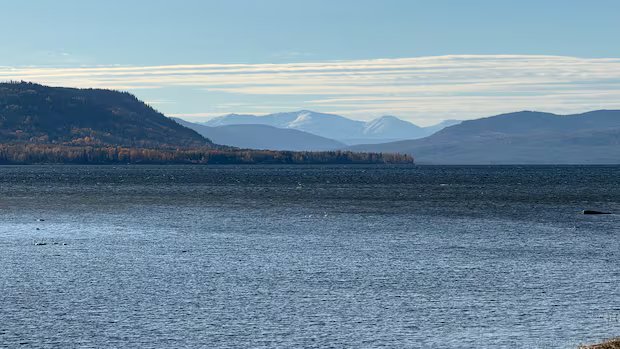

Listen to this article
Estimated 4 minutes
The audio version of this article is generated by AI-based technology. Mispronunciations can occur. We are working with our partners to continually review and improve the results.
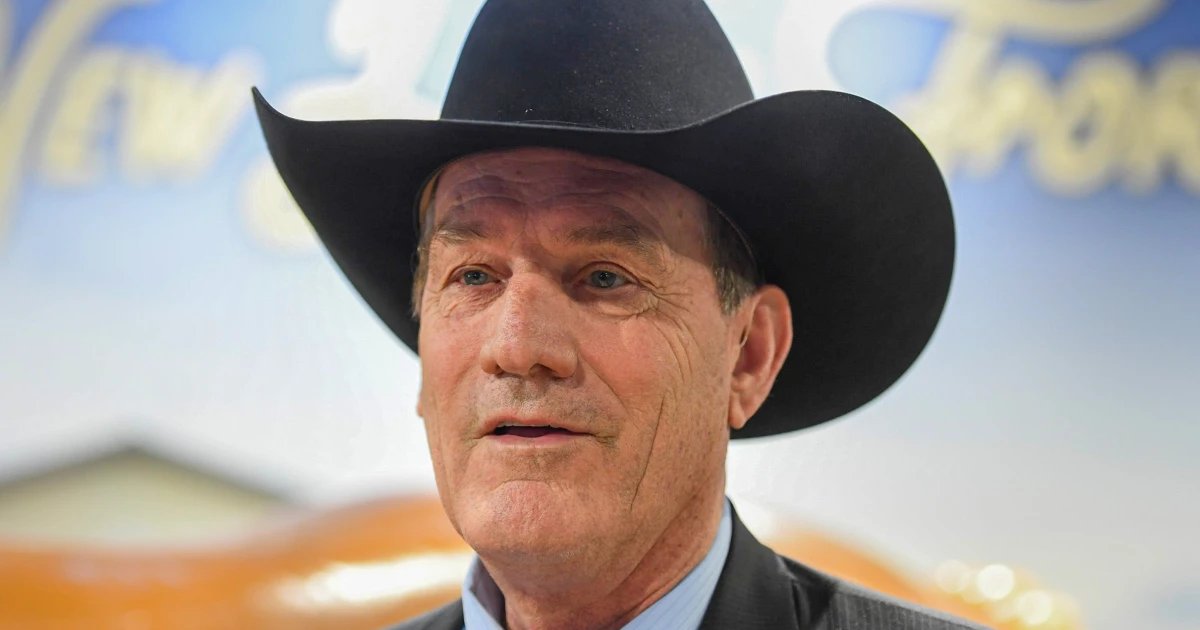
West Moberly First Nations Chief Roland Willson says his community is opposed to the three oil pipeline routes being considered by the Alberta government that would run through northern B.C., with the routes recently mapped in documents obtained by CBC News.
He says two of the northern routes would cut directly through caribou habitat.
While Willson attended an information seeking session this past April hosted by the Alberta government, he said there was no formal consultation.
“We’re not being brought to the table initially. We should be the first ones anybody talks to,” said Willson.
“They shouldn’t be going to industry and having discussions with the industry and then trying to push something through on us. That’s not what reconciliation is about.”
West Moberly First Nations is located on the west shore of Moberly Lake and roughly 120 kilometres southwest of Fort St. John, B.C., via Highway 29.
CBC News has obtained and verified documents that provide a glimpse of the routes, which the Alberta government hopes will connect an oil pipeline from their province to B.C.’s north coast.
West Moberly First Nations has spent years working in collaboration with the neighbouring Saulteau First Nations on recovery efforts for the the Klinse-Za mountain caribou herd, including a maternity pen.
Willson says pipeline routes were presented in April, but the nation’s opposition to them was the same — given two of the routes shown at that time were cutting across critical caribou habitat.
“There’s been no studies, here’s been no in-depth conversation about those routes, they just drew lines on the map,” he said.
A spokesperson for Coastal First Nations, which represents the Haida, Heiltsuk and other First Nations along the North Coast, says their position hasn’t changed either, and that they will never allow a pipeline or oil tankers on the north coast of B.C.
Those nations led a push for a federal oil tanker moratorium along the North Coast, which prohibits oil tankers from stopping, loading or unloading in any port in the designated area.
“There is no technology that can clean-up an oil spill at sea, and one spill could destroy our way of life,” Marilyn Slett, elected chief of the Heiltsuk Nation and president of Coastal First Nations, said in a statement.
“We, along with the Lax Kw’alaams Band and the province of [B.C.], have called on the federal government to uphold the North Coast Oil Tanker Moratorium Act in its entirety, with no exceptions or carve outs.”
Prince Rupert mayor weighs in
According the documents obtained by CBC News, the southern of the three routes would end in Prince Rupert.
Prince Rupert Mayor Herb Pond says the proposed oil pipeline and the routes are divisive for his community, but noted the strongest voices at the table are First Nations and the province of British Columbia.
“How will the First Nations along the route, whichever’s chosen, and where the terminal lands, how will they respond?” he asked.
“They have tremendous voice in this dialogue, far more than any municipal government.”
However, Pond says he also wants to see a more tangible proposal.
“My role isn’t to really, represent my own personal view, but rather represent the view of the people that elected me,” he said.
“When a real project with a real route comes forward so that we know what we’re actually talking about, that’ll be a good time to engage our community.”
Prince Rupert already has a number of energy projects, added Pond, and said an oil pipeline isn’t work his community needs — noting city council is focused on rebuilding their water treatment facility and expanding the city’s port.
“Our economy is booming. And the focus of the local government, of municipal government is on delivering those basic services so that we can succeed in what’s already planned around us.”
Subscribe to CBC’s Fort St. John Weekly for a round-up of the best news and stories from B.C.’s Peace and Northern Rockies.