A 10-day ceasefire announced by U.S. President Donald Trump and agreed on by Lebanon and Israel appeared to be holding in Lebanon early Friday, potentially boosting efforts to extend a ceasefire between Iran, the United States and Israel.
It was unclear whether a lasting deal would be reached between the U.S. and Iran before the ceasefire ends next week, but the pause in fighting between Israel and Hezbollah could be an indication some progress has been made.
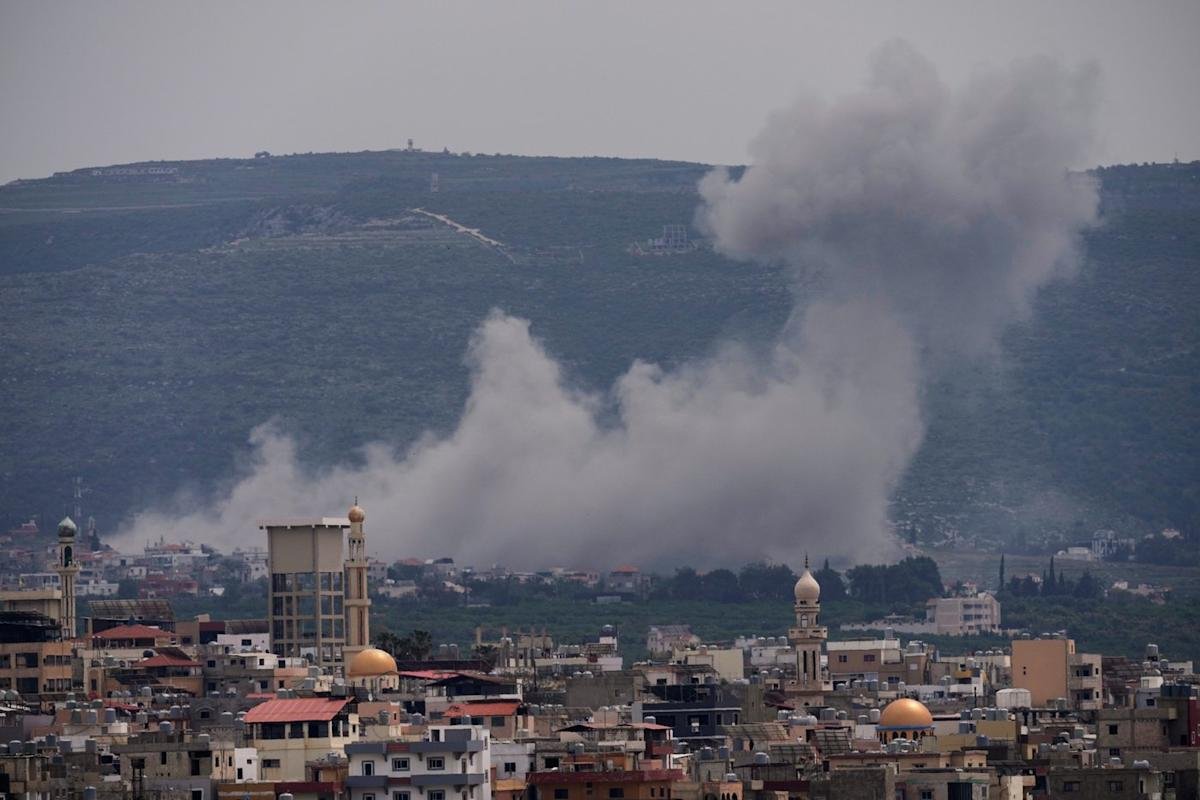
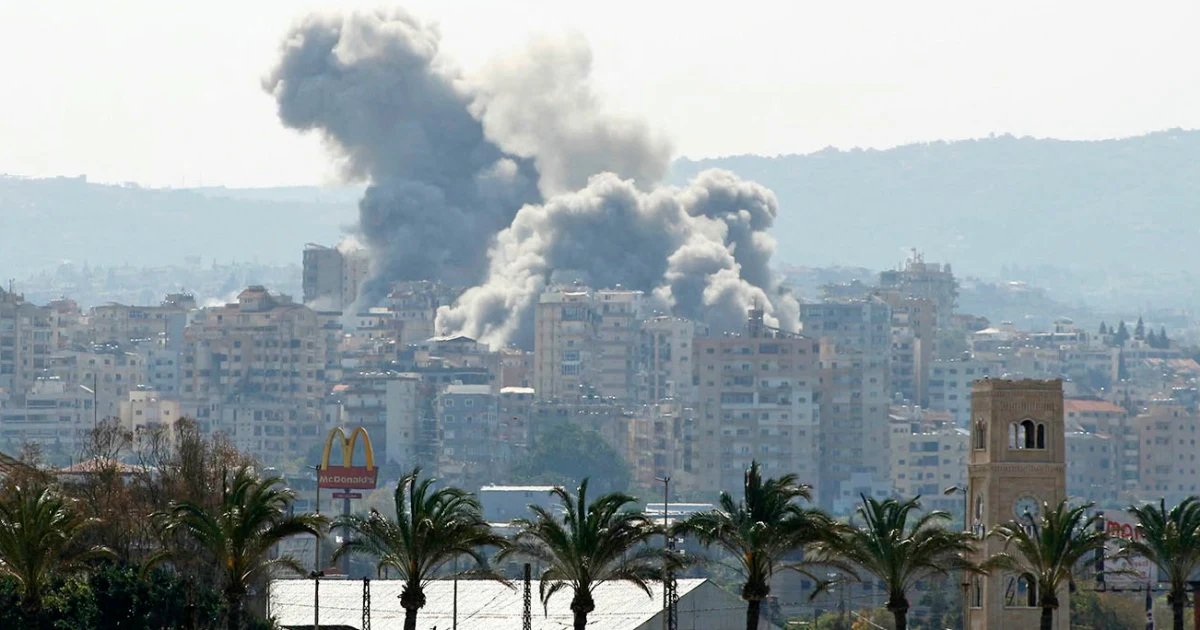
An end to Israel’s war with Hezbollah was a key demand of Iranian negotiators. Israel has not been fighting with Lebanon itself, but rather with the Iranian-backed Hezbollah militant group inside Lebanon, which said in a statement that “any ceasefire must be comprehensive across all Lebanese territory and must not allow the Israeli enemy any freedom of movement.”
Israeli Prime Minister Benjamin Netanyahu said he agreed to the ceasefire “to advance” peace efforts with Lebanon, but said Israeli troops would not withdraw.
Pakistan’s army chief met Thursday with Iran’s parliament speaker as part of international efforts to press for an extension to the ceasefire that has paused almost seven weeks of war.
Mediators are pushing for a compromise on three main sticking points: Iran’s nuclear program, the Strait of Hormuz and compensation for wartime damages, according to a regional official involved in mediation efforts.
Reopening the strait is a key demand by the U.S. and the international community as a global energy crisis worsens daily because of the key oil route’s closure. The leaders of France and the U.K. will gather dozens of countries Friday to push forward plans to reopen the strait, although the U.S. will not be included..
The fighting has killed at least 3,000 people in Iran, more than 2,100 in Lebanon, 23 in Israel and more than a dozen in Gulf Arab states. Thirteen U.S. service members have also been killed.
Here is the latest:
German foreign minister says long-term accords needed after ceasefire
German Foreign Minister Johann Wadephul on Thursday welcomed the ceasefire between Israel and Lebanon and thanked the U.S. for its role as a mediator.
What is needed now, Wadephul said, are long-term agreements on securing the border, protecting civilians on both sides of the Blue Line, and ensuring the safety of UNIFIL peacekeepers.
He said the talks paved the way for a future reality in which the interests of both sides are equally taken into account: Israel’s legitimate security interests and Lebanon’s right to territorial integrity and sovereignty.
Long-term security in the region can only be achieved through the effective disarmament of Hezbollah, Wadephul added.
Displaced Lebanese return to scenes of destruction
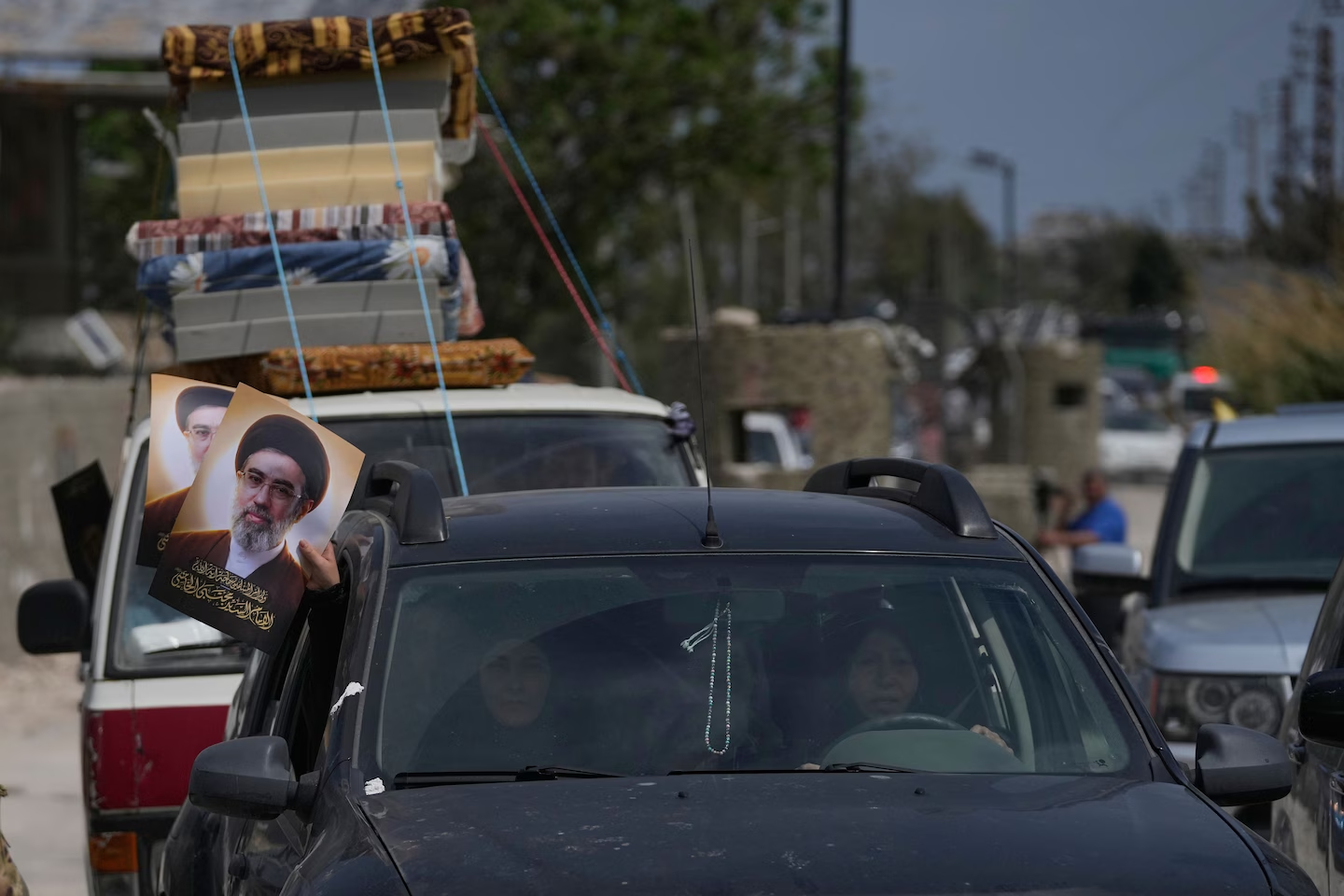
Relief at a ceasefire beginning in Lebanon on Friday was tempered by the destruction that many encountered upon returning to their homes.
In the southern village of Jibsheet, a trickle of residents returned to flattened apartment blocks and streets littered with chunks of concrete, twisted aluminum shutters and dangling electrical wires.
“I feel free being back,” 23-year-old Zainab Fahas said. “But look they destroyed everything: the square, the houses, the shops, everything.”
In the southern Beirut suburb of Haret Hreik, Ahmad Lahham, 48, waved the yellow Hezbollah flag. He stood on a mountain of rubble that was his apartment building and also housed a branch of Hezbollah’s financial arm, Al-Qard Al-Hassan.
Iran’s pressure in its talks with the U.S. brought the truce, condemning Lebanon’s direct talks with Israel, he said.
“Only the Iranians stood with us, no one else,” he said, calling Lebanon’s leaders “the leadership of shame.”
South Korea tanker passes through Red Sea route
A South Korean-flagged tanker carrying crude oil from Saudi Arabia’s Yanbu port has safely exited the Red Sea, South Korean officials said.
The passage marks the country’s first such shipment since it began seeking alternative energy routes while Iran is largely blocking the Strait of Hormuz.
South Korean President Lee Jae Myung on Friday described the passage as a “valuable accomplishment” during the government’s efforts to overcome challenges posed by the war.
The Ministry of Oceans and Fisheries did not immediately say how many tankers would attempt to use the Red Sea route or when the vessel that passed would arrive in South Korea.
Officials say 26 of South Korea’s vessels remain stranded in the strait.
Trump hails Israel-Lebanon ceasefire as ‘historic day’
In two social media posts Thursday night, U.S. President Donald Trump said Thursday could have been “a historic day for Lebanon.”
In a separate Truth Social message after the ceasefire between Israel and Lebanon went into effect, Trump added that he hoped the Lebanon-based, Iran-backed Hezbollah militant group “acts nicely and well.”
“It will be an GREAT moment for them if they do,” Trump added.
Australia strikes deal with BP to underwrite fuel imports
BP has become a fifth company to strike a deal with the Australian government to underwrite fuel imports at prices inflated by the Iran war.
Prime Minister Anthony Albanese announced the BP deal on Friday at Viva Energy’s Geelong refinery, southwest of Melbourne, that was damaged by fire over Wednesday night. He said the damaged refinery continued to produce diesel and jet fuel at 80% capacity and gasoline as 60% capacity.
Viva on Thursday secured 570,000 barrels of diesel underwritten by the government in shipments from Brunei and South Korea at prices that might otherwise be commercially unviable.
Australia has sufficient fuel supplies contracted into May, but there are concerns that shortages could emerge in the months ahead.
The Associated Press


 dailynewsnblog