dailynewsnblog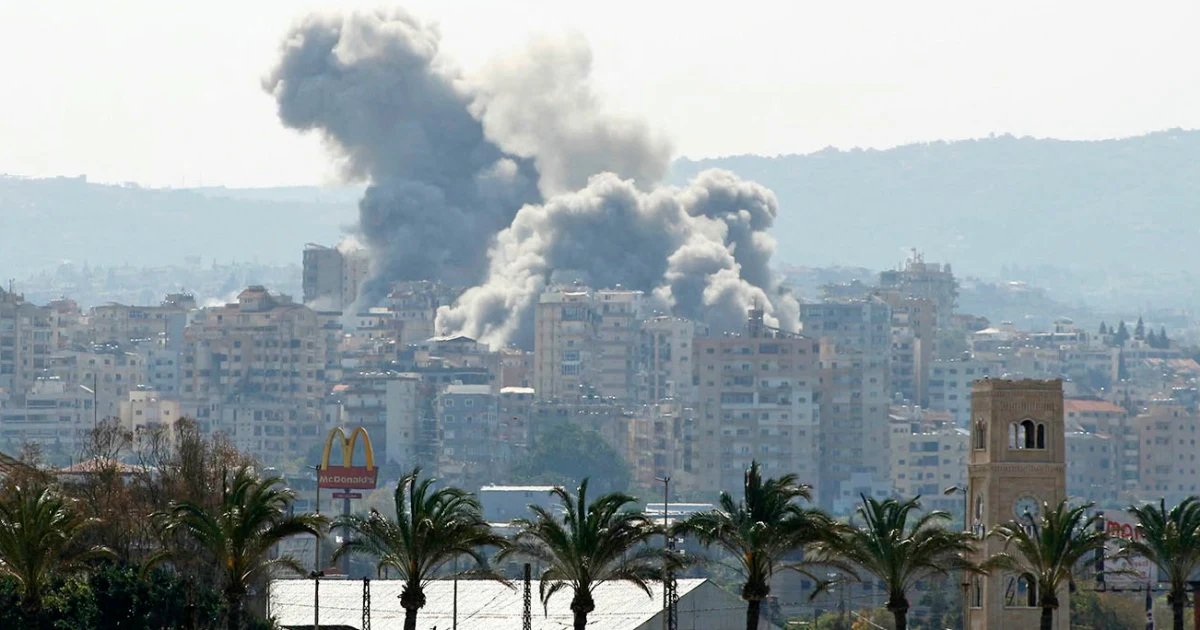
It was unclear whether or when people displaced from their homes in southern Lebanon by Israel’s invasion would be allowed to return. The Lebanese army warned people to avoid returning to southern villages and to avoid “approaching areas where Israeli occupation forces have advanced.”
The ceasefire deal commits Israel and Lebanon to “engaging in good-faith direct negotiations, facilitated by the United States, with the objective of achieving a comprehensive agreement that ensures lasting security, stability, and peace between the two countries,” the State Department said.
In a statement that it said Lebanon and Israel had agreed to, the State Department said the initial 10-day period for the ceasefire “may be extended by mutual agreement between Lebanon and Israel if progress is demonstrated in the negotiations and as Lebanon effectively demonstrates its ability to assert its sovereignty.”
Lebanon must “take meaningful steps” to prevent Hezbollah from carrying out any attacks on Israel, the statement added, while Israel “shall preserve its right to take all necessary measures in self-defense, at any time, against planned, imminent, or ongoing attacks.”
Hezbollah, which is also a powerful political party in Lebanon, has not been part of the talks. A senior Hezbollah official told NBC News on Wednesday that “if Israel is fully committed to a complete cessation of hostilities … then this matter would be subject to consideration by Hezbollah.”

FORSUBSCRIBERS

Richard Engel on why he’s reporting at the Israel-Lebanon border
02:10
Iran has insisted that strikes on Lebanon must stop as part of any longer-term deal for peace with the U.S. and Israel.
A ceasefire in Lebanon “is as important as a ceasefire in Iran,” Tehran’s top negotiator, Parliament Speaker Mohammad Bagher Ghalibaf, said Thursday morning, adding: “In the Islamabad negotiations and afterwards, we have been seriously pursuing efforts to compel the adversaries to establish a permanent ceasefire in all areas of conflict.”
Israeli forces had continued with widespread strikes across Lebanon and pushed on with a ground invasion of the country’s south even after the temporary ceasefire deal in the Iran war took effect last week. The U.S. and Israel denied that the agreement covered Lebanon, while Iran pointed to statements from mediator Pakistan suggesting that it did.
The hostilities in Lebanon broke out last month after the U.S. and Israel began their military campaign in Iran, when Hezbollah militants fired rockets at Israel. Israel retaliated with strikes across Lebanon, vowing to establish a sweeping “security zone” along the country’s south.

The ceasefire deal grew out of direct negotiations that kicked off Tuesday when the Lebanese and Israeli ambassadors to the U.S. met in Washington. The meeting marked the first direct talks between the countries in decades.
More than 2,100 people have been killed in Lebanon since the war started, according to Lebanese authorities, and more than 1 million have been displaced from their homes.
In Israel, 21 people have been killed, some of them in strikes by both Iran and Hezbollah.