dailynewsnblog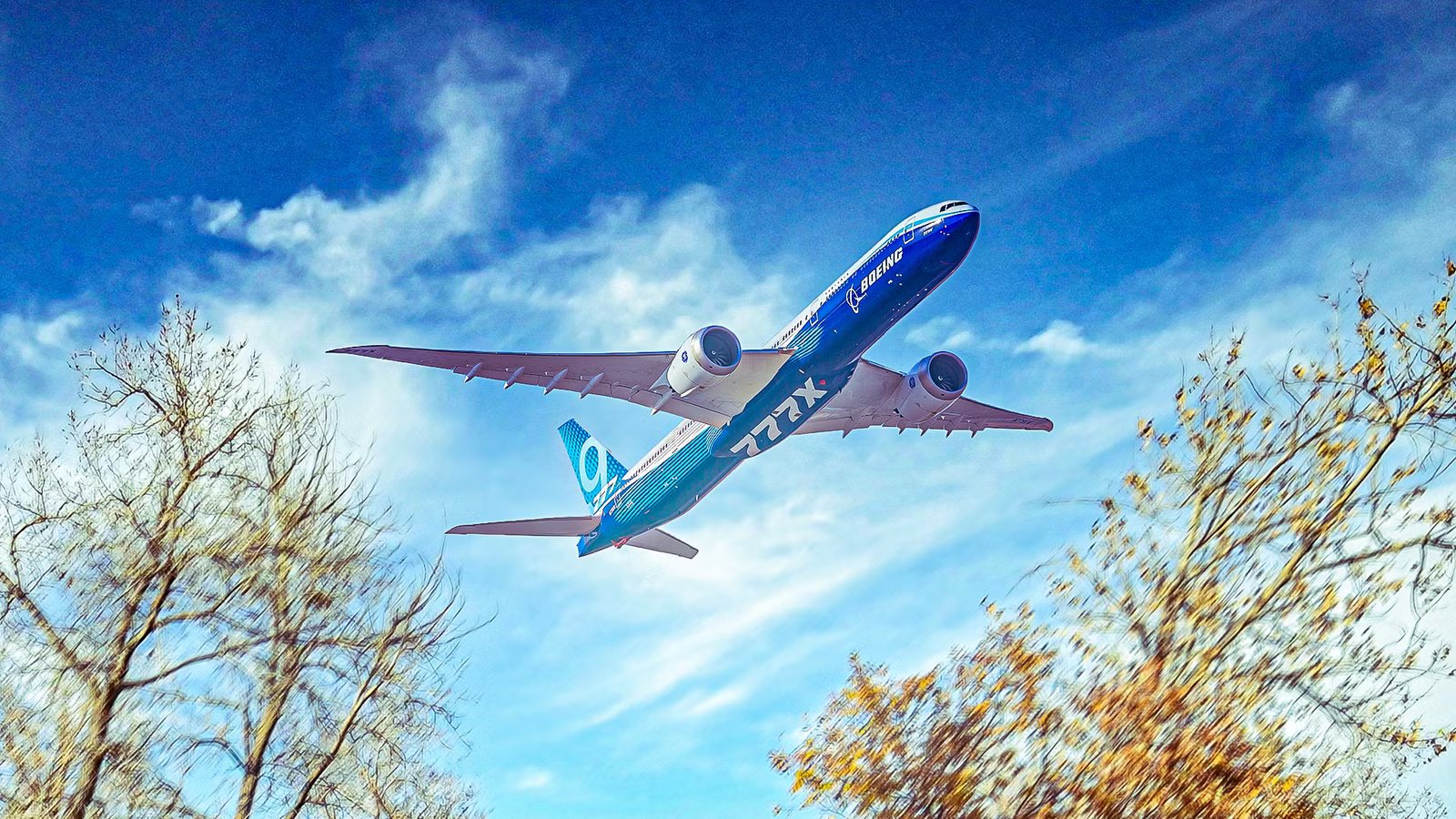
As per the latest reports, American manufacturer  Boeing will have to make certain modifications to the airframes of the upcoming Boeing 777-9 aircraft that have already been built. These changes will be structural in nature, updating older aircraft with newer modifications and bringing them in line with the latest updates made during ground and flight testing.
While making these modifications to the older jet is said to take years, Boeing is aiming to deliver the first aircraft to its launch customer in 2027, when the type is expected to enter commercial service.
30 Boeing 777-9 Aircraft Require Modifications

During Boeing’s first-quarter earnings call, Air Data News reports that the manufacturer is planning to undertake the mission of making structural modifications to 30 777-9 aircraft that have already been manufactured and assembled. Boeing states that a dedicated team has been formed to make these modifications, which it is calling “change incorporation”. But what are they?
Considering that the 777-9 was originally due to enter service in 2020, and the fact that the pandemic, along with other production and regulatory hurdles, delayed the type’s certification, Boeing across the past seven years has built multiple airframes, which have all been in storage apart from the four aircraft currently being utilized for testing. However, because Boeing has been making various updates and changes during this period as a result of testing and various findings, the manufacturer is now left with 30 airframes that do not meet the latest design and structural standards by varying degrees.
As such, the change incorporation program will see these 30 airframes receive various modifications to bring them in line with the latest designs. Air Data News reported the following quotes from Boeing’s CEO, Kelly Ortberg,
“We’ve got roughly 30 777s that’ll go through this change incorp process over several years,”
“For the airplanes that we have built, [we need] to incorporate all the changes that have happened since they’ve been built.”
It Could Take Several Years For The Oldest One

As stated by the CEO, this modification process can take years, depending on when the airframe was originally built. This could essentially mean that the older the airframe, the more it is outdated compared to the latest design, and therefore requires more extensive changes to be made, which subsequently take more time and have higher costs.
The manufacturer aims to bring all these airframes into a standard configuration before applying any final configurations required before they can be delivered. That being said, Boeing will eventually be left with an inventory of fully assembled aircraft that could be over seven years old before it can even be delivered to the customers. While the customers for the 777-9 are looking forward to taking delivery of the type and increasing capacity, it is worth noting that there are some practical complexities that come along with accepting an airframe that is potentially years old at the time of delivery.
These complications include factors such as aircraft maintenance and scheduling downtime. Because aircraft have various components with varying maintenance requirements (some based on operational cycles or hours, while others on component age), an airline accepting a brand-new aircraft can easily slot a new aircraft into its existing maintenance schedule. However, this is not possible when accepting an aircraft that is a certain number of years old, because the components’ maintenance requirements will no longer be in synchronization, requiring the airline to account for more complicated maintenance schedules with potentially more aircraft downtime.

The Different Types Of Aircraft Maintenance Checks
They are required to ensure aircraft airworthiness.
How Realistic Is The 2027 Delivery Date?

Boeing is certainly progressing in the right direction and is currently undertaking Phase 4A testing, while awaiting approval to begin Phase 4B tests, as part of the five-phase TIA (Type Inspection Authorization) process. Boeing is allowed to run testing of multiple phases simultaneously across multiple test aircraft.
Phase four of the TIA includes testing the aircraft under real-world conditions (such as icing) to ensure the aircraft operates as designed and the relevant systems, along with safety features, function as intended. This phase will reportedly take a few months of testing to be completed. Therefore, the 777-9’s certification should progress as long as these tests yield positive results.
That being said, in late January, Boeing discovered a durability issue on the GE9X engine set to power the aircraft. While this is definitely a point of concern and would require additional checks and testing to be done to ensure a suitable fix is available, the manufacturer has stated the first aircraft would be ready to be delivered in 2027. However, during the earnings call, it was stated that the engine manufacturer, GE Aerospace, has identified the root cause and is creating a fix while allowing flight testing to continue.