dailynewsnblog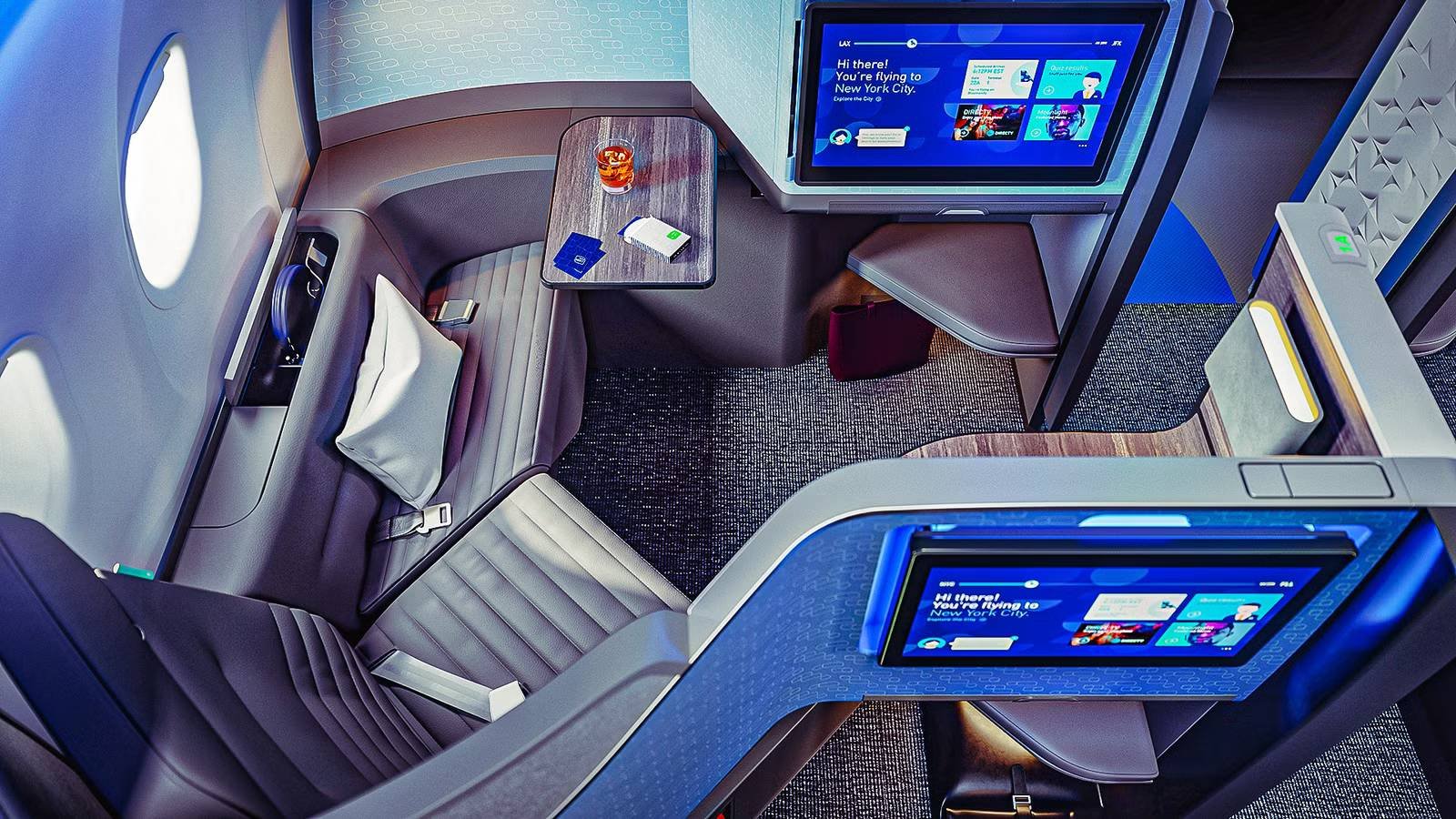
For years, premium travelers viewed narrowbody aircraft as a compromise. Even when airlines marketed these cabins as business class, the experience often lacked the privacy, comfort, and sophistication associated with widebody international flying. Recliner seats, limited aisle access, and cramped cabin layouts were common across many single-aisle fleets. That perception has changed rapidly. In 2026, several airlines have transformed narrowbody business class into a genuinely premium long-haul product. The arrival of advanced aircraft such as the Airbus A321LR and Airbus A321XLR has allowed carriers to introduce lie-flat suites, direct aisle access, sliding privacy doors, upgraded dining programs, and high-end entertainment systems on routes previously dominated by larger aircraft.
Importantly, this article is not intended as a strict ranking, nor does it attempt to include every airline deserving recognition. Instead, it highlights six carriers that best demonstrate how premium narrowbody travel has evolved into one of the aviation industry’s most competitive segments. Each airline approaches the concept differently, whether through ultra-private suites, network consistency, premium value, or operational innovation.
JetBlue Airways
The Airline That Changed Expectations For Narrowbody Luxury

JetBlue Airways fundamentally changed how airlines approached premium narrowbody flying when it launched Mint. At a time when many North American carriers still relied on outdated recliner-style business cabins for transcontinental and transatlantic routes, JetBlue introduced fully flat suites that rivaled established international airlines. Its A321LR fleet remains one of the strongest narrowbody premium platforms operating today.
The Mint Suites feature sliding privacy doors, direct aisle access, wireless charging, lie-flat beds, and large entertainment screens arranged in a spacious 1-1 configuration. The design feels modern and intentionally boutique rather than overly corporate, helping JetBlue stand out in a crowded transatlantic market. The Mint Studio seats further elevate the experience through additional personal space and companion seating that create a near first-class environment.
JetBlue also succeeded because it combined premium quality with competitive pricing. Travelers frequently gained access to a high-end business class product at fares well below legacy competitors, particularly in the early days of Mint. Service quality reinforces the hard product, with elevated dining partnerships, premium cocktails, and attentive cabin crews consistently receiving strong reviews. Beyond the onboard experience itself, JetBlue’s broader impact on the industry has been substantial. The airline demonstrated that passengers would willingly choose premium narrowbody products over larger aircraft if the experience justified it, accelerating investment in similar cabins across the industry.

The Airlines With The World’s Sleekest New Cabin Designs In 2026
Discover the cutting-edge innovations that are redefining long-haul comfort in 2026, as airlines roll out sleek new business class products.
Etihad Airways
Bringing Widebody Sophistication To Single-Aisle Flying

 Etihad Airways has taken one of the most ambitious approaches to premium narrowbody travel anywhere in the aviation industry. Rather than scaling back luxury standards for smaller aircraft, the airline effectively transferred many elements of its long-haul premium strategy onto the A321LR. The result is a narrowbody business class experience that rivals many modern widebody cabins. The airline’s suites feature reverse herringbone seating, fully flat beds, direct aisle access, Bluetooth connectivity, wireless charging, and advanced entertainment systems. Considerable attention has been paid to personal storage and cabin spacing, preventing the cramped atmosphere that often affects narrowbody premium cabins. Etihad’s cabin styling also reflects the airline’s broader premium identity, emphasizing understated luxury and refined finishes.
One of the airline’s most distinctive decisions was the inclusion of first-class suites on select A321LR aircraft. Very few airlines have pursued premium segmentation so aggressively on narrowbody jets. This approach highlights how strategically important premium single-aisle flying has become for carriers targeting high-yield passengers on thinner long-haul routes. Etihad’s premium ground experience further strengthens the product. Lounge access, premium check-in facilities, chauffeur services in select markets, and seamless international connectivity help create a cohesive luxury experience from departure to arrival.
Qatar Airways
Consistency Remains Its Greatest Premium Strength

Qatar Airways built its reputation through consistency, and that philosophy extends directly into its narrowbody business class operations. Although the airline receives most attention for its Qsuite product on widebody aircraft, Qatar’s premium narrowbody experience remains among the strongest globally because it maintains exceptionally high standards regardless of aircraft size. The airline’s Airbus A321neo fleet offers lie-flat seating, strong privacy, direct aisle access on many routes, premium bedding, and advanced entertainment systems.
However, Qatar Airways distinguishes itself most through service execution rather than seat design alone. The airline avoids reducing catering quality, beverage selections, or cabin attentiveness simply because passengers are flying on smaller aircraft. Travelers still receive restaurant-style dining, polished presentation, premium wines and spirits, and highly attentive service even on relatively short regional sectors. That consistency is particularly valuable for premium passengers connecting onto long-haul flights through Doha.
The airline also benefits from one of the world’s strongest premium transit experiences. Hamad International Airport (DOH) and the Al Mourjan lounges provide efficient transfers, luxury amenities, and strong operational reliability that enhance the onboard experience. In these ways, Qatar Airways demonstrates that superior business class involves more than private suites or elaborate cabin architecture. Operational consistency, strong catering, polished service, and reliable premium standards remain equally important.
United Airlines
Polaris Expansion Signals A Serious Shift In American Aviation

United Airlines has spent several years rebuilding its premium reputation, and its A321neo Coastliner program represents one of the clearest examples of that transformation. The airline plans to introduce Polaris-inspired suites on long-range narrowbody aircraft, bringing modern international business class standards to thinner transatlantic and premium domestic routes. The new cabins feature sliding privacy doors, fully flat beds, upgraded entertainment systems, Bluetooth connectivity, wireless charging, and significantly improved interior finishes modeled after United’s latest widebody Polaris cabins. Rather than treating the A321XLR as a lower-tier aircraft, United is positioning it as a serious premium platform capable of competing on key domestic routes.
This strategy carries substantial importance for North American aviation. For years, many American carriers lagged behind European and Gulf airlines in premium cabin innovation. United’s efforts signal a growing recognition that business travelers now expect widebody-quality comfort regardless of aircraft size or route structure. Airlines can profitably launch thinner long-haul routes on the A321neo without relying on larger widebody aircraft that may be difficult to fill consistently year-round. That flexibility allows United to expand premium connectivity while maintaining attractive business class offerings.
United also benefits from its extensive network and Star Alliance partnerships. Corporate travelers value schedule frequency, global connectivity, and premium lounge access alongside onboard comfort. When combined with upgraded narrowbody cabins, those strengths significantly improve United’s competitive position in the premium travel market. Passengers on this new domestic narrowbody Polaris will gain access to the luxurious network of United Polaris suites as well, a benefit previously reserved for international flyers.

What United Airlines’ Relax Row Economy Beds Actually Cost Vs Premium Economy On Long-Haul Flights
The sky bed offers economy passengers a cheaper sleep-focused alternative to Premium Plus on long-haul international flights.
TAP Air Portugal
Europe’s Quietly Impressive Narrowbody Premium Operator

TAP Air Portugal rarely dominates global premium airline discussions, yet its narrowbody business class operation has become one of the most effective in transatlantic aviation. The airline extensively uses A321LR aircraft between Portugal and destinations across North and South America, allowing it to operate efficiently while still offering a highly competitive premium experience. The cabins feature fully lie-flat seats arranged in a staggered configuration with direct aisle access, modern entertainment systems, and respectable personal storage. The overall atmosphere feels more refined than many travelers expect from a relatively small European carrier operating single-aisle aircraft on long-haul routes.
Lisbon’s geographic location gives TAP a significant strategic advantage. The airline can efficiently connect passengers between Europe, the Americas, and parts of Africa using smaller long-range aircraft that better match passenger demand than larger widebody jets. This flexibility has allowed TAP to expand transatlantic operations while maintaining premium service standards.
Service quality also contributes significantly to the onboard experience. Portuguese wines, regionally inspired cuisine, and attentive cabin crews create a distinct premium identity that separates TAP from larger competitors focused on standardized international service models. The airline demonstrates how effectively modern narrowbody aircraft can support serious long-haul business travel. TAP may not possess the global prestige of larger Gulf or Asian carriers, but its A321LR operation remains one of the clearest examples of efficient and highly competitive premium narrowbody flying in 2026.
Aer Lingus
Efficient Premium Travel With A Strong Operational Advantage

Aer Lingus has developed one of the most practical and efficient premium narrowbody strategies in the transatlantic market. Its A321LR fleet allows the airline to connect Ireland with secondary North American cities that would be difficult to sustain using larger aircraft while still maintaining a credible international business class product. The cabins feature fully flat Thompson Vantage seats arranged in a staggered configuration with direct aisle access for most passengers. Although Aer Lingus avoids excessive luxury branding or enclosed suite designs, the seat itself remains highly competitive for overnight Atlantic crossings. Comfortable bedding, modern entertainment systems, and relatively spacious layouts create a strong overall onboard experience.
The airline’s premium philosophy focuses heavily on simplicity, efficiency, and reliability. Aer Lingus emphasizes streamlined service, practical comfort, and relaxed cabin environments rather than highly theatrical premium branding. That approach appeals strongly to business travelers prioritizing convenience and operational consistency. One of the carrier’s greatest advantages is Dublin’s United States preclearance system. Passengers clear US immigration before departure, allowing them to arrive in America as domestic travelers. This significantly improves arrival efficiency and enhances the overall premium journey.
Aer Lingus also benefits from strong transatlantic economics enabled by the A321LR. The aircraft allows the airline to profitably serve thinner routes while still offering lie-flat business class seating. Its success demonstrates that premium narrowbody travel does not require extravagant luxury to remain highly competitive in today’s aviation market.