dailynewsnblog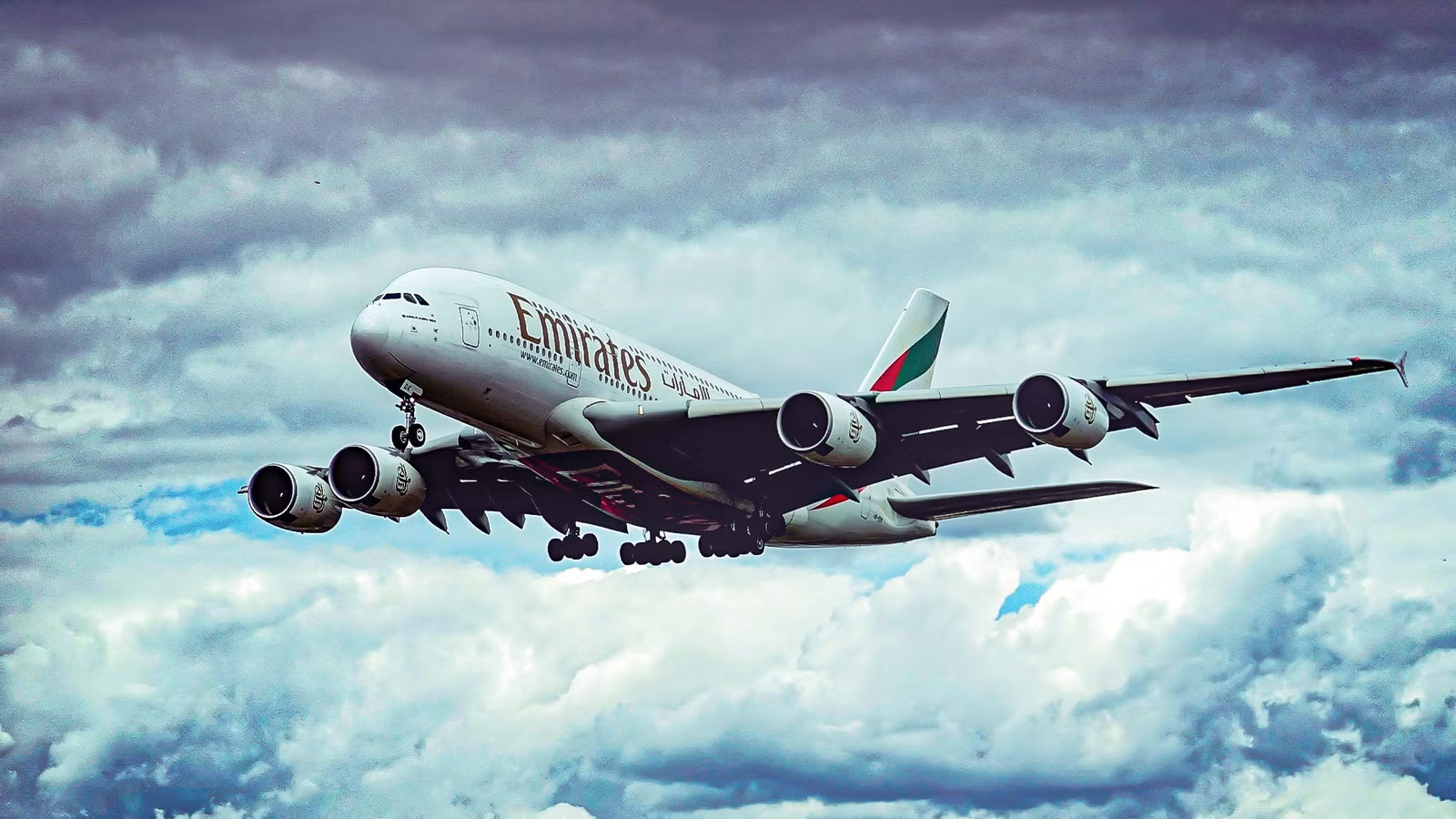
An  EmiratesAirbus A380 carrying 373 passengers was diverted to Hangzhou Xiaoshan International Airport (HGH) after severe weather prevented its scheduled arrival at
  Shanghai Pudong International Airport(PVG), leaving those on board stranded inside the aircraft for more than 10 hours without functioning air conditioning. The incident, involving Emirates Flight EK302 from Dubai, has drawn widespread attention after passengers described sweltering cabin conditions, lengthy delays in deplaning, and limited information while the aircraft remained parked overnight.
According to reports, the A380 landed safely in Hangzhou at approximately 9:00 PM local time on July 22 after thunderstorms disrupted operations at Shanghai Pudong International Airport. Although the diversion itself was not unusual, passengers remained on board until around 7:30 AM the following morning because border control and airport coordination delayed the deplaning process. Emirates has since apologized to affected customers, saying passenger welfare remained its priority throughout the event.
Weather Diversion Led To Overnight Delay

Flight tracking information shows EK302 diverted to Hangzhou after adverse weather made landing in Shanghai unsafe. Diversions are common during periods of intense thunderstorms, particularly at major international airports where runway capacity can quickly become constrained. After landing, however, the aircraft was unable to continue its journey or immediately disembark passengers.
Catch what other flight trackers miss
Emergency squawks, holds, NOTAMs — live signals, no signup.
Open tracker
Catch what other flight trackers miss
Emergency squawks, holds, NOTAMs — live signals, no signup.
Open tracker
Reports indicate Chinese border inspection procedures and airport operational requirements prevented the doors from being opened until immigration personnel arrived several hours later. Around 6:00 AM, passengers were informed they would need to remain on board until border officials completed the necessary arrangements, with deplaning beginning roughly three hours later. While extended ground delays following international diversions are uncommon, they can occur when airports are not prepared to process an unexpected international arrival outside normal operating procedures.
Passengers Describe Hot Cabin Conditions

Many passengers said the lengthy wait became increasingly uncomfortable because the aircraft’s air conditioning was reportedly not operating effectively while parked on the ground. Videos and photographs shared online showed travelers using handheld fans, fanning themselves with magazines, and gathering near open cabin areas in an effort to stay cool.
Several passengers told local media that cabin temperatures rose significantly during the overnight delay, with one traveler reportedly fainting before receiving assistance. Others criticized the limited communication during the wait, saying they received few updates about when they would be allowed to leave the aircraft. Although modern airliners can typically maintain cabin ventilation on the ground using auxiliary power units or airport ground equipment, prolonged delays, operational limitations, or equipment issues can affect cabin comfort depending on local circumstances.

Emirates apologized to customers affected by the disruption, acknowledging the extended delay and inconvenience experienced following the weather diversion. The airline reiterated that severe weather initially forced the flight away from its intended destination and that operational requirements at the diversion airport influenced how quickly passengers could be processed and continue their journeys.
The incident has also renewed discussion about lengthy onboard ground delays following international diversions. While airlines must comply with local customs, immigration, and airport procedures, extended periods without deplaning can create difficult conditions for passengers, particularly when cabin environmental systems are unable to maintain a comfortable temperature. For Emirates, the diversion underscores how severe weather can trigger operational challenges that extend well beyond the flight itself. Although the Airbus A380 landed safely and the airline ultimately transported passengers onward, the more than 10-hour delay aboard the aircraft has become the focus of the incident and may prompt renewed scrutiny of contingency planning and passenger care during prolonged international diversions.