dailynewsnblog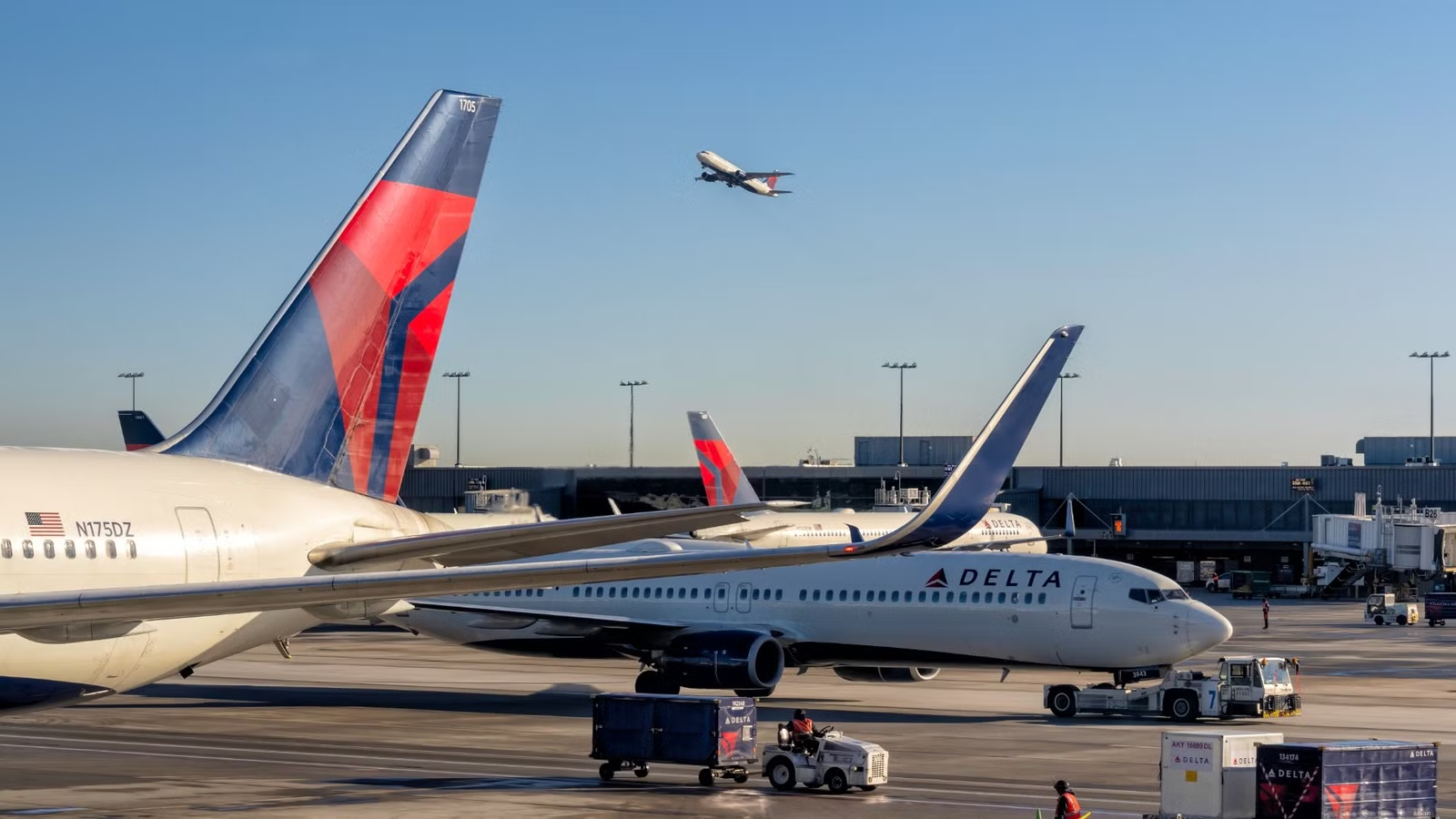
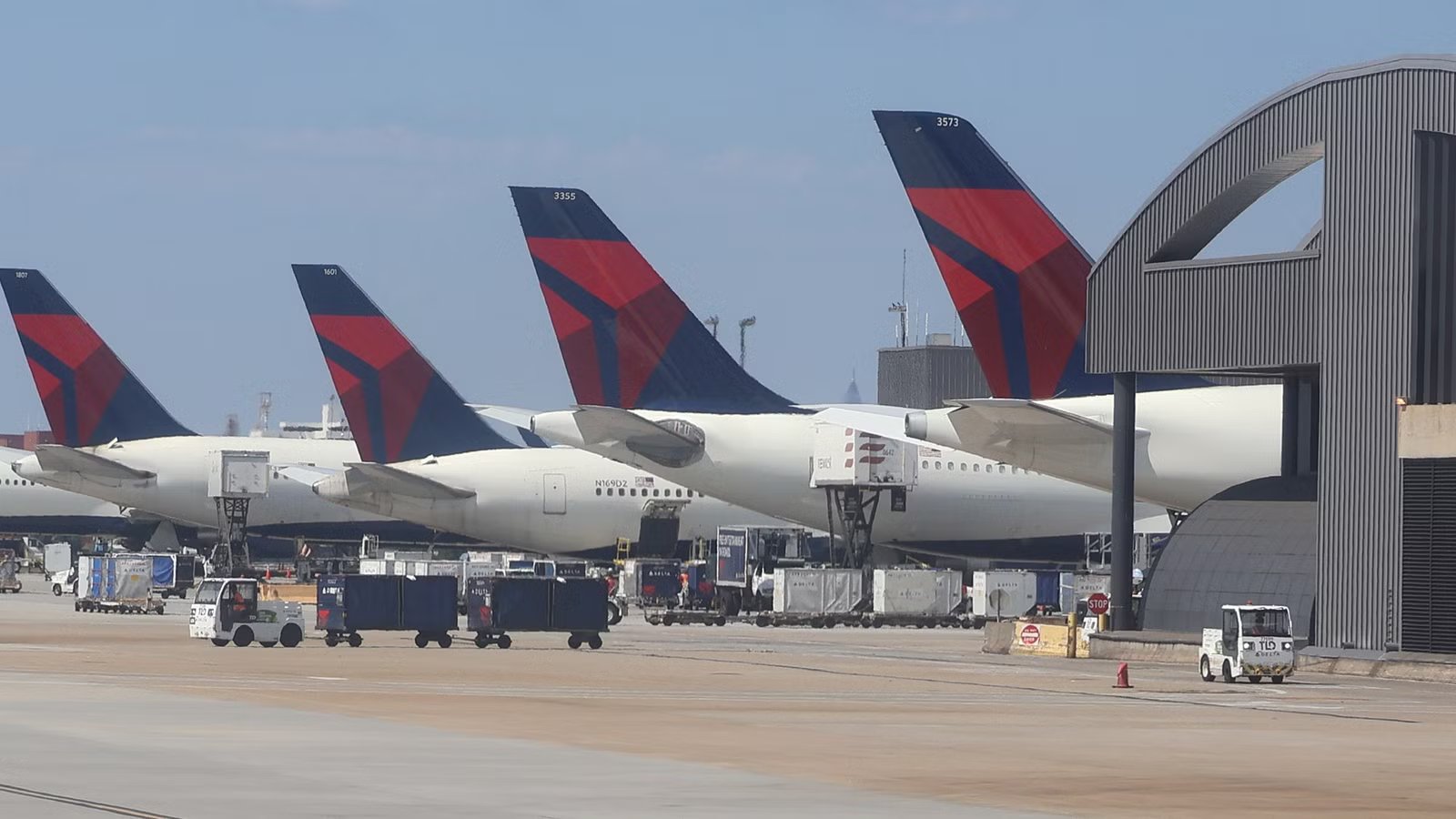
 Hartsfield-Jackson Atlanta International Airport (ATL) is considering transitioning away from public security, via the Transportation Security Administration, on its frontline and bringing in private sector contractors. FOX5 News reported that the Atlanta City Council voted to approve a feasibility study into the switch as a means of preventing major operational crunches during government shutdowns.
Unlike the 20 US airports around the nation with private security services operating under TSA supervision, Atlanta was crippled by the record government shutdown earlier this year. Over a third of TSA agents were missing work when their pay was suspended. ATL specifically the uninterrupted ops at  San Francisco International Airport (SFO) as an excellent example of the difference private screening staff can make.
Atlanta’s Mega-Hub: The World’s Busiest Airport

Atlanta is officially the busiest airport in the worldand welcomes over 100 million travelers a year through its doors. It is also a Category X public facility, which means it is at the highest tier level of security risk. This is one of the reasons why public sector security still operates at ATL, as no Category X airport has ever made this transition. The city’s Department of Aviation will receive the results of the study in 90 days and decide whether or not to make the switch or keep TSA.
The TSA screening partnership program already has over 20 airports under its umbrella that operate contracted security services while the TSA provides supervision. Atlanta City Councilman Byron Amos told CBS News that he has sought to explore this possibility for years, before the recent decision to take first steps toward a transition. It was the chaotic results of the government shutdown in March that had finally pushed the situation past the tipping point.
In March, massive lines wrapped around the interior terminals, snaked past baggage claims, and extended completely outside the airport doors, driving wait times past 90 minutes to several hours. Delays piled up heavily across major airlines, culminating in hundreds of flight cancellations. The impact was felt all over the country, with a 5% to 10% operational reduction issued by the Federal Aviation Administration nationwide.
Councilman Amos gave this statement to CBS:
“We have to realize the number one customers at the airport are you, the passengers… The number one thing about this program is that it is not tied to a TSA budget that can be caught up in a government shutdown.”
The March Crisis For ATL

During the government shutdown, Atlanta Mayor Andre Dickens and other city leaders implemented emergency support for federal workers. They issued free airport parking as well as meal vouchers to help provide relief to the frontline security workers who had gone without pay for weeks. Low morale and prolonged financial strain led to hundreds of federal security officers’ resignations nationwide, including approximately 300 TSA workers quitting early in the crisis.
Local community figures also stepped up to mitigate financial strain, including filmmaker Tyler Perry, who donated $250,000 in Visa gift cards to Atlanta TSA employees. During the shutdown, the city of Atlanta had to absorb the costs of providing local economic relief to unpaid federal workers. The federal screening operations currently cost between $140 million and $240 million at ATL a year.
Despite the obvious operational risks posed by future government shutdowns, Councilmember Kelsea Bond raised concerns that privatizing these positions could impact thousands of public sector jobs and local wages in the metro Atlanta economy. Union leaders argue that private contractors operate with a focus on corporate profit margins, which can inadvertently lead to corner-cutting on employee working conditions or safety protocols.
Watch: Hero Bystander Flattens Man Who Charged TSA Agents In Atlanta Airport
One man’s quick thinking prevents a potential disaster at a busy airport.
Staunch Opposition From The TSA Union

The American Federation of Government Employees represents approximately 47,000 TSA workers and strictly opposes privatization. The union states that transitioning can weaken collective bargaining leverage or require employees to reform unions under private labor laws. Yet there is some protection under the SPP program for TSA agents, at least initially.
Should the city of Atlanta decide to privatize security services, current TSA workforce will have the first right of refusal to take jobs with the new privatized organizations. Under the federal law that governs the SPP, the compensation, wages, and health benefits may not be less than what the federal agents currently receive if offered new positions.
Ultimately, the goal is to make the airport more resilient to disruptions on Capitol Hill, but employees would also have paycheck security during government shutdowns with private operators. Payroll is funded through different federal channels, which guarantee continuous operations, unlike TSA.