dailynewsnblog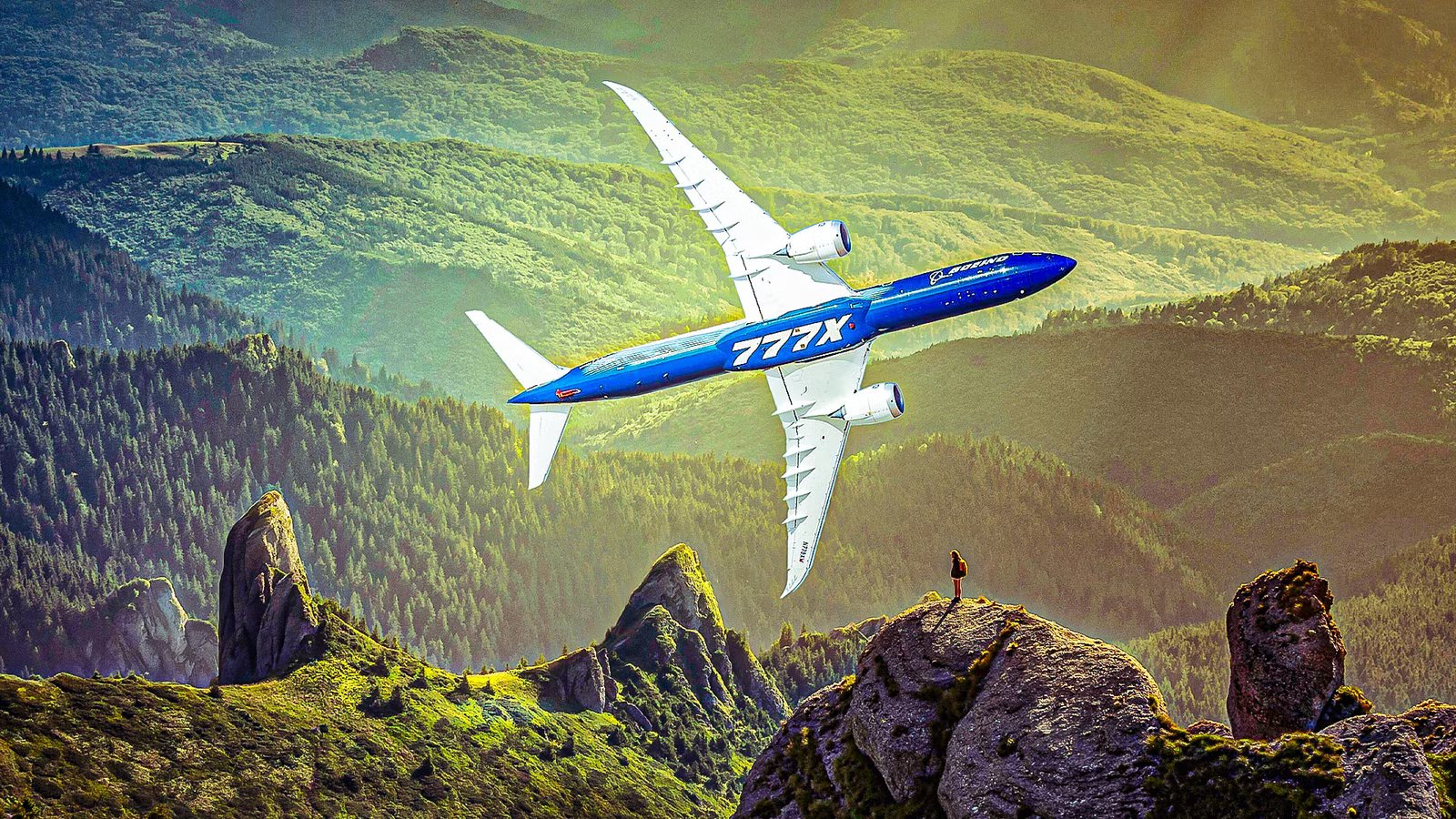
 Boeing is facing a major new hurdle with its delayed Boeing 777X program as airlines are refusing to accept early-build “inventory” aircraft that have been sitting in storage for years. The US planemaker has over 30 stored 777X’s that will all need extensive rework, a process that it has admitted will take years to complete.
The situation has been likened to Boeing’s experience with its early-built 787 Dreamliner airframes, dubbed the ‘Terrible Teens,’ which were notoriously difficult to sell and eventually moved on with steep discounts due to concerns over their build quality and modification history.
Airlines Don’t Want Boeing’s Stored 777X Airframes

According to Leeham News, at least two upcoming 777X operators — including the program’s largest customer,  Emirates — have expressed doubts over taking delivery of aircraft from Boeing’s 30-plus inventory of stored 777X’s. These airframes are set to undergo a process known as change incorporation, which will implement necessary design changes resulting from the 777X’s certification and testing efforts. The concern over these airframes centers on probable higher maintenance costs and residual value loss, with airlines mindful of Boeing’s problems with its early-build 787 Dreamliners.
Emirates President Sir Tim Clark has previously stated that the airline is not interested in taking delivery of any inventory 777X’s, given the huge amount of rework they face. Leeham News also reports another unnamed airline deciding not to accept delivery of these airframes, while other customers have also “expressed a dislike for taking inventory aircraft.” Boeing CEO Kelly Ortberg recently stated during the planemaker’s Q1 2026 earnings call that the change incorporation process will take “years” to complete.
First Deliveries Will Be New Production Aircraft

With stored 777X’s facing years of rework before they are ready to enter service, the first 777X deliveries will almost certainly consist of new production aircraft. The first production 777X is MSN 1781, which will eventually be delivered to launch customer Lufthansa. This airframe completed its first flight earlier this month with a fully outfitted passenger cabin and is undergoing additional testing before its expected delivery in early 2027.
The company has reportedly earmarked a former Boeing 747 final assembly space at its Everett plant as one of the sites to perform change incorporation work on the 777X. These so-called “shadow factories” were previously established when Boeing faced major fixes on the 787 and 737 MAX. This repurposed 747 space will be one of multiple sites used to perform modifications on the 777X.
The situation evokes memories of Boeing’s troubles with its early 787 Dreamliner airframes, which were built during a period of significant production challenges and certification issues. Although Boeing eventually resolved these problems, airlines were unwilling to accept many early-build airframes, forcing Boeing to offer these planes at a marked-down price. As Simple Flying reported in April, one of these Terrible Teens — a 787-8 that was the 17th Dreamliner ever built by Boeing — accumulated just 13 flight hours before it was decommissioned and scrapped for parts.
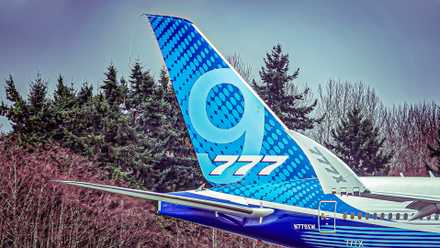
Over 20 Planes? Why Boeing Already Built Some 777Xs Even Though It’s Not Certified Yet
Over 20 777X aircraft have already been built despite a delayed 2027 entry date.
How Many Airlines Have Ordered The 777X?

The 777X was initially slated to enter service in 2020, but is set to make its debut more than seven years later. The 777X has now accumulated over 600 firm orders, including a recent 28-plane commitment from a mystery customer placed in early May. By far the largest customer and de facto lynchpin of the program is Emirates, which has firm orders for 270 aircraft after upping its orderbook with another 65 jets at the Dubai Airshow 2025.
Fellow Middle Eastern carrier Qatar Airways is also a major 777X customer with 124 planes on order. Other notable airlines with 777X orders include Korean Air, Singapore Airlines, launch customer Lufthansa, Cathay Pacific, and Etihad Airways. Despite the program’s well-documented woes, airlines remain confident in the upcoming widebody.