dailynewsnblog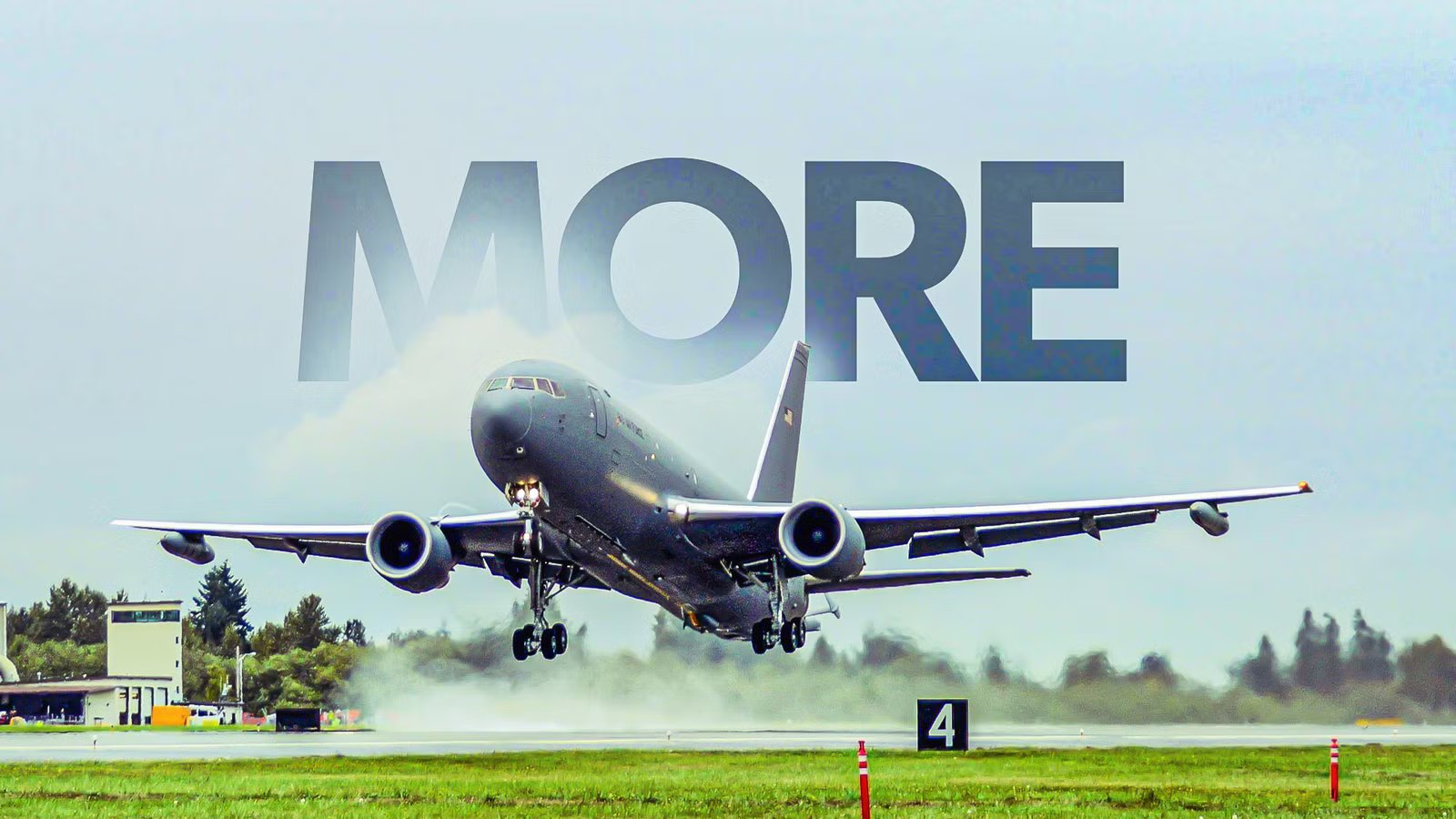
The United States Air Force now plans to field 263  BoeingKC-46 Pegasus tankers, a sharp increase from the originally planned 179 aircraft, with $3.5 billion requested in FY2027 to procure 15 additional jets. This shift, highlighted in recent reporting from Aviation Week and Breaking Defense, signals a fundamental reassessment of how many aerial refueling aircraft the United States actually needs in an era of high-intensity conflict. What was once a replacement program has evolved into a cornerstone of US airpower.
According to recent budget data, operational insights, and defense reporting, the reasons behind this expansion are no longer speculative. The Air Force is reacting to a convergence of pressures: an aging KC-135 fleet averaging over 60 years old, a looming production gap before next-generation tankers arrive, rising operational demand across global theaters, and congressional mandates to expand the fleet. We will explore all factors driving the KC-46’s growing importance, and why the Air Force now needs far more of them than originally expected.
The KC-46’s Long Road To Becoming The Air Force’s Primary Tanker

The story of the KC-46 Pegasus is one of persistence, controversy, and eventual necessity. Long before the aircraft entered US Air Force service, at the beginning of the 2000s, Boeing had attempted to market a tanker based on the popular 767 platform internationally. That earlier effort, commonly known under the name of the KC-767, found only limited success, with Italy and Japan acquiring small fleets. For years, the US Air Force remained unconvinced, exploring alternative solutions and navigating a politically charged procurement process that saw multiple restarts and competing bids.
The eventual KC-X competition marked a turning point. Boeing’s offering, what would become the KC-46, was selected in 2011 to replace portions of the aging tanker fleet, promising a blend of proven airframe design and modern refueling technology. Based on the 767-2C platform, the aircraft introduced features such as a fly-by-wire boom, advanced communications systems, and the ability to perform cargo and aeromedical evacuation missions. In theory, it represented a versatile and cost-effective solution.
However, the early years of the program were far from smooth. Technical deficiencies quickly emerged, most notably with the Remote Vision System (RVS), which is critical for boom operations. These issues delayed full operational capability and raised concerns within the Pentagon and Congress. Reports from the Government Accountability Office emphasized the need to mature critical technologies before the aircraft could meet all mission requirements.
Despite these challenges, the KC-46 gradually improved. Incremental upgrades, software refinements, and operational experience helped build confidence in the platform. More importantly, the strategic environment began to shift. As global tensions increased and the limitations of the legacy tanker fleet became more apparent, the KC-46 transitioned from a contested acquisition to an indispensable asset. What began as a modest replacement program is now expanding into the backbone of US aerial refueling capability.
The KC-135 Crisis Driving Urgent Fleet Expansion

The single most important factor behind the KC-46’s expansion is the accelerating decline of the KC-135 Stratotanker fleet. Introduced alongside its civilian sibling, the Boeing 707, in the late 1950s, the KC-135 was never supposed to serve into the 21st century, let alone into the 2030s. But today, it still accounts for approximately 80% of the Air Force’s tanker inventory, with an average age exceeding 60 years. This makes it one of the oldest operational fleets in the US military service.
Maintaining aircraft of this age is both complex and costly. Structural fatigue, corrosion, and outdated systems require constant attention, driving up sustainment costs year after year. According to Aviation Week reporting, the Air Force is increasingly concerned about the long-term viability of the KC-135, particularly as maintenance demands begin to outpace available resources. These aircraft are approaching the limits of what is technically and economically sustainable.
More concerning are the operational risks posed by such an old fleet. In recent deployments tied to tensions with Iran, KC-135 aircraft sustained losses, even though they were not shot down. One aircraft was damaged, and another crashed in the desert following a midair collision, underscoring their vulnerability in contested environments. The combination of aging airframes and limited survivability features makes these tankers increasingly ill-suited for operations against modern air defense systems.
|
Aircraft Type |
Average Age |
Fleet Share |
Replacement Status |
|
KC-135 |
60+ years |
~80%, decreasing |
Being phased out |
|
KC-10 |
Retired |
0% |
Already replaced |
|
KC-46 |
1-2 years |
~20%, growing |
Primary replacement |
As the KC-10 has already been retired, the urgency of replacing the KC-135 has fundamentally altered the KC-46 program’s trajectory. Originally envisioned as a partial replacement, the Pegasus is now being tasked with filling a much larger role, basically, replacing two aircraft in one. The Air Force can no longer afford a gradual transition; it needs a rapid and scalable solution. As a result, procurement numbers have increased significantly, transforming the KC-46 from a supplementary platform into the primary means of sustaining the tanker force.
How The Boeing 767 Made A Military Comeback As The US Air Force’s Primary Tanker
Discover the Boeing 767’s transformation into the KC-46A Pegasus.
A Dangerous Capability Gap Before Next-Generation Tankers Arrive

While the KC-46 program is still expanding, the Air Force is already looking ahead to its eventual successor: the Next-Generation Air Refueling System (NGAS). This future platform is expected to incorporate advanced survivability features, improved connectivity, and potentially even stealth capabilities. However, the timeline for NGAS remains uncertain, and that uncertainty is driving current procurement decisions.
Under existing contracts, KC-46 deliveries are expected to conclude around 2030. In contrast, NGAS is unlikely to enter service until at least the mid-2030s, with some estimates suggesting even later timelines depending on funding and technological development. This creates a significant gap of approximately six years during which no new tanker platform would be entering production. According to Breaking Defense, this gap has become a central concern for Air Force strategists.
Historically, such gaps have proven problematic. Once a production line is shut down, restarting it can be costly and time-consuming. More importantly, a pause in procurement can lead to a decline in overall fleet size as operational demands increase. The Air Force has experienced similar challenges in other programs, reinforcing the importance of maintaining continuity in production.
The KC-46 offers a practical solution to this problem. By extending procurement beyond the original plan, the Air Force can bridge the gap between current capabilities and future systems. This approach ensures that tanker numbers remain stable, or even increase upon request during a critical period of geopolitical uncertainty. It also preserves industrial capacity, allowing Boeing and its suppliers to maintain the expertise needed for future tanker development.
In this context, the expansion of the KC-46 program is not a response to current needs but a strategic decision to avoid future shortfalls. The aircraft is effectively serving as a bridge between generations, ensuring that the Air Force retains a robust refueling capability even as it prepares for the next evolution of aerial warfare.
Tankers Are More Critical To Combat Operations Than Ever Before

One of the most significant shifts in recent years has been the growing recognition of the essential role tankers play in modern military operations. While fighter jets and bombers often receive the most attention, their effectiveness is heavily dependent on aerial refueling. Without tankers, the range, endurance, and flexibility of these aircraft would be severely limited.
This dependency has become more pronounced as the United States prepares for potential conflicts in vast regions such as the Indo-Pacific. The huge distances involved in such theaters make aerial refueling indispensable. Aircraft must travel thousands of miles, often without access to nearby bases, relying on tankers to sustain operations. In this environment, even a small shortfall in tanker availability can have a disproportionate impact on overall mission effectiveness.
Operational leaders have increasingly emphasized this point. Official US Air Force sources consistently stress that aerial refueling is indispensable to combat operations. As highlighted in Air Mobility Command reporting, tanker support is “absolutely essential” to mission success, enabling fighters, bombers, and reconnaissance aircraft to remain on station and deliver sustained effects. In practice, this means that any shortfall in tanker availability can quickly constrain the scale and duration of air campaigns.
The growing complexity of modern warfare further amplifies the importance of tankers. Advanced fighters such as the Lockheed MartinF-35 and long-range bombers like the Northrop Grumman B-21 Raider are designed to operate in contested environments, but their effectiveness depends on reliable support. Tankers must not only provide fuel but also operate in increasingly challenging conditions, potentially requiring enhanced survivability and coordination.
As a result, the Air Force is reassessing its assumptions about tanker requirements. What was once considered sufficient is now seen as inadequate. The expansion of the KC-46 fleet reflects this new reality, ensuring that the Air Force can support a wide range of missions across multiple theaters simultaneously. In other words, having a reliable flying tanker equals air dominance.
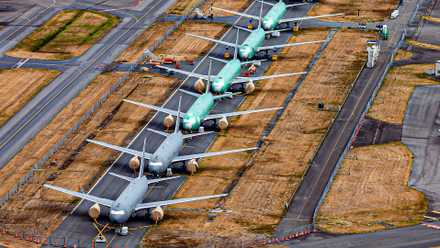
How Many KC-46 Tankers Are Left?
How many KC-46 tankers are there? A deep analysis of the USAF plans, Boeing’s 767-based Pegasus, production numbers, and what comes next!
Congress Is Forcing A Larger Tanker Fleet—Whether The Air Force Wants It Or Not

While operational and strategic factors are driving much of the KC-46 expansion, political considerations are also playing a significant role. Congress has taken an active interest in the size and composition of the tanker fleet, viewing it as a key component of national defense.
The House version of the FY2026 National Defense Authorization Act proposed increasing the minimum tanker fleet size from 466 to 504 aircraft by 2027. This proposal, highlighted by The Aviationist, represents a substantial increase and effectively mandates a larger fleet than the Air Force had initially planned.
While such measures are subject to negotiation and revision, they signal a clear intent from lawmakers to prioritize tanker capacity. This congressional pressure reflects broader concerns about global security. As tensions rise with near-peer competitors, the ability to project power over long distances becomes increasingly important. Tankers are central to this capability, enabling aircraft to operate far from home bases and sustain operations over extended periods.
At the same time, lawmakers are mindful of the risks associated with an aging fleet and uncertain future programs. By pushing for a larger tanker inventory, Congress is effectively hedging against delays in next-generation systems and ensuring that the Air Force maintains sufficient capacity in the interim.
For the Air Force, this creates both opportunities and challenges. On one hand, increased funding and support can accelerate modernization efforts. On the other hand, it requires balancing competing priorities, including the need to address technical issues with the KC-46 and invest in future capabilities. Nevertheless, congressional involvement has become a key driver of the program’s expansion, reinforcing the need for a larger and more capable tanker fleet.
The Complicated Future: Fixing The KC-46 While Preparing Its Successor

Despite its growing importance, the KC-46 program is not without its complications. The aircraft continues to face technical challenges, most notably with its Remote Vision System, which is essential for safe and effective refueling operations. These issues have required ongoing redesign and testing, delaying full operational capability and raising concerns within the Air Force.
According to Air & Space Forces Magazine, Air Force leadership has made it clear that additional KC-46 contracts will depend on resolving these deficiencies. This position underscores the importance of ensuring that the platform meets operational requirements before committing to further expansion. While the need for more tankers is clear, the Air Force is unwilling to compromise on performance and safety.
At the same time, attention is increasingly turning to the future of aerial refueling. Programs such as NGAS are exploring new concepts, including distributed operations, advanced mission systems, and enhanced survivability. Recent reporting from DefenseScoop and Defense One suggests that the Air Force is prioritizing mission systems and connectivity over traditional platform design, potentially reshaping the role of tankers in future conflicts.
Finally, the growing demand for KC-46 tankers reflects a broader shift in how the Air Force approaches aerial refueling. No longer seen as a background function, it is now recognized as a central element of airpower. The KC-46 will remain at the heart of its efforts — explaining why far more of these aircraft are now needed than anyone originally expected.

![Avelo Airlines Has Cut 50 Routes: Inside The Massive Network Cull [Full List]](https://dailynewsnblog.com/wp-content/uploads/2026/05/avelo-tail-landing-scaled-1.jpg)